

Neck Pain Relief in Grapevine, TX — Chiropractic & Acupuncture for Practical, Whole‑Person Recovery
Neck pain can interfere with sleep, work, and everyday movement. Pairing chiropractic care with acupuncture gives many people a safe, evidence‑informed path to reduce pain, restore motion, and lower the chance of repeat episodes. Below we outline an integrative musculoskeletal approach—addressing spinal mechanics, soft tissue, and pain signaling—that helps Grapevine patients recover more quickly. You’ll find plain explanations of common causes and symptoms, how adjustments and acupuncture each ease pain, what StemWave therapy may add for tissue repair, and which exercises protect your neck long term. We focus on mechanisms, practical self‑care, and clear guidance on when to seek professional help so you can make informed choices. If you’re local, Chiro & Acupuncture Inc. offers an integrated East/West model and a complimentary initial consultation to design the right mix of chiropractic, acupuncture, and advanced therapies. The next section reviews common causes and symptoms so you can spot when clinical care is advisable.
What Are the Common Causes and Symptoms of Neck Pain in Grapevine?
Neck pain occurs when the cervical spine, discs, muscles, or nerves are overloaded, irritated, or mechanically restricted, producing local pain, stiffness, or symptoms that travel into the head and arms. Common drivers we see locally include sustained forward head posture (“tech neck”), acceleration‑deceleration injuries (whiplash), degenerative changes like cervical spondylosis, and acute muscle strains. Knowing the usual causes helps prioritize treatments that restore motion and calm irritated nerves so daily function improves. The lists below summarize frequent causes and typical symptoms to help you decide if a professional evaluation is needed.
Common causes of neck pain include:
- Habitual poor posture and prolonged forward head position from phones, computers, or desk work.
- Whiplash from car crashes or sudden impacts.
- Cervical spondylosis and age‑related disc or joint changes that alter mechanics.
- Acute muscle strain or spasms from overuse, heavy lifting, or abrupt movements.
These factors often overlap. Identifying the dominant driver guides targeted treatment and prevention to restore spinal mobility and lower the risk of repeat problems.
Common symptoms that indicate neck dysfunction include:
- Ongoing stiffness and limited range of motion that makes it hard to turn your head.
- Local neck pain that worsens with movement or prolonged positions.
- Pain that refers into the shoulders, upper back, or down the arm during activity.
- Headaches that start at the base of the skull and move forward toward the temples.
If you notice progressive weakness, loss of balance or coordination, or changes in bowel/bladder function, seek immediate medical care. For non‑emergent concerns, persistent pain beyond two weeks or repeated flare‑ups should prompt a professional assessment to help prevent chronic problems.
Which Conditions Lead to Neck Pain: Whiplash, Tech Neck, and Cervical Spondylosis?
Whiplash, tech neck, and cervical spondylosis each cause neck pain through different mechanisms. Whiplash produces acute soft‑tissue and joint injury from rapid acceleration‑deceleration. Tech neck stems from repetitive postural overload of the cervical extensors and discs. Cervical spondylosis reflects degenerative joint and disc changes that can narrow nerve openings and alter mechanics. After whiplash, ligament and muscle microtrauma can create lasting joint dysfunction and trigger points—early mobility work and soft‑tissue care are helpful. Tech neck commonly presents with a forward head, tight upper trapezius and levator scapulae, and limited thoracic extension—posture correction and posterior‑chain strengthening are central. In cervical spondylosis, intermittent nerve‑root irritation can cause radicular symptoms; combining spinal alignment, soft‑tissue work, and targeted therapies often eases neurogenic pain and restores function.
What Symptoms Indicate the Need for Neck Pain Treatment?
Seek targeted care when neck pain is persistent, limits daily activities, or comes with neurologic signs—early treatment generally improves outcomes and reduces the risk of chronic pain. Red flags requiring urgent evaluation include sudden severe neck pain after trauma, worsening weakness, loss of coordination or balance, new numbness or tingling in both arms or legs, and bowel/bladder changes, which may signal spinal cord involvement. For non‑urgent but concerning signs—pain lasting more than two weeks, headaches triggered by neck movement, or radiating arm pain with weakness—schedule an evaluation to identify mechanical, inflammatory, or neuropathic causes. Timely assessment enables appropriate imaging when needed and the design of a multimodal plan to restore mobility, lower inflammation, and get you back to normal activity.
How Does Chiropractic Care Provide Neck Pain Relief in Grapevine?
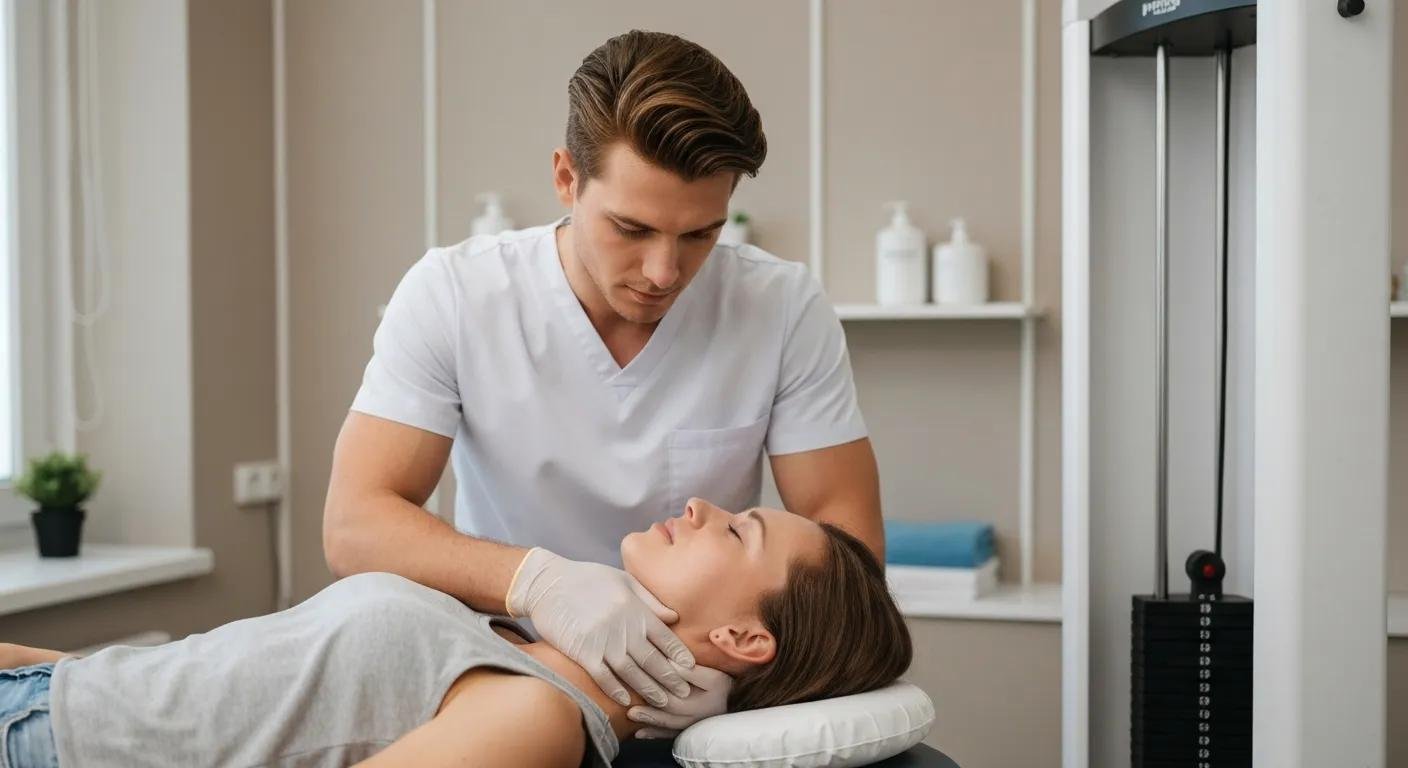
Chiropractic care reduces neck pain by improving cervical joint alignment and mechanics, decreasing nerve irritation, and restoring range of motion—changes that lower pain and improve function. Adjustments and gentle mobilizations modify joint kinematics to normalize facet motion, correct segmental fixation or hypermobility, and reduce nociceptive input from irritated joints and soft tissue. Better alignment redistributes loads across discs and facets, which can ease mechanical pain, reduce muscle spasm, and increase activity tolerance. The table below compares core approaches to show how chiropractic and related manual therapies deliver clinical benefit and why combining treatments often speeds recovery.
How Do Chiropractic Adjustments Restore Cervical Spine Mobility and Reduce Nerve Interference?
Adjustments deliver controlled, directional force to hypomobile cervical joints to re‑establish normal movement, lower abnormal mechanical stress, and reduce local inflammation that can irritate nerve roots. Restoring joint glide improves overall spinal mechanics, decreases referral pain patterns, and increases range of motion by reducing muscle guarding and normalizing proprioception. Many patients notice easier turning, less stiffness, and fewer radiating symptoms after a few visits—especially when adjustments are combined with soft‑tissue care and home exercises. At Chiro & Acupuncture Inc., our clinicians pair cervical adjustments with rehabilitation strategies to speed recovery and help prevent recurrence.
Chiropractic Upper Cervical Care for Neck Pain and Disability
Statistically significant, clinically meaningful improvements in neck pain (NRS, P < 0.01) and disability (NDI, P < 0.01) were reported after an average of 13.6 days of specific chiropractic care, which included about 5.7 office visits and 2.7 upper cervical adjustments. No serious adverse events were recorded in that series.
Neck pain and disability outcomes following chiropractic upper cervical care: a retrospective case series, 2009
What Are the Benefits of Spinal Alignment for Neck Pain and Overall Wellness?
Spinal alignment offers benefits beyond immediate pain relief: better posture, fewer cervicogenic headaches, and less mechanical stress on the nervous system. When joints move more efficiently, abnormal loading on discs and facets decreases, which may slow degenerative change and reduce chronic muscle tension. Patients commonly report improved sleep and greater activity tolerance after alignment restores smoother movement and lowers persistent nociceptive signals. Long‑term wellness is supported by maintenance care—periodic adjustments, targeted exercise, and ergonomic fixes—to preserve mobility and reduce future flare‑ups.
How Can Acupuncture Help Control and Heal Neck Pain Naturally?
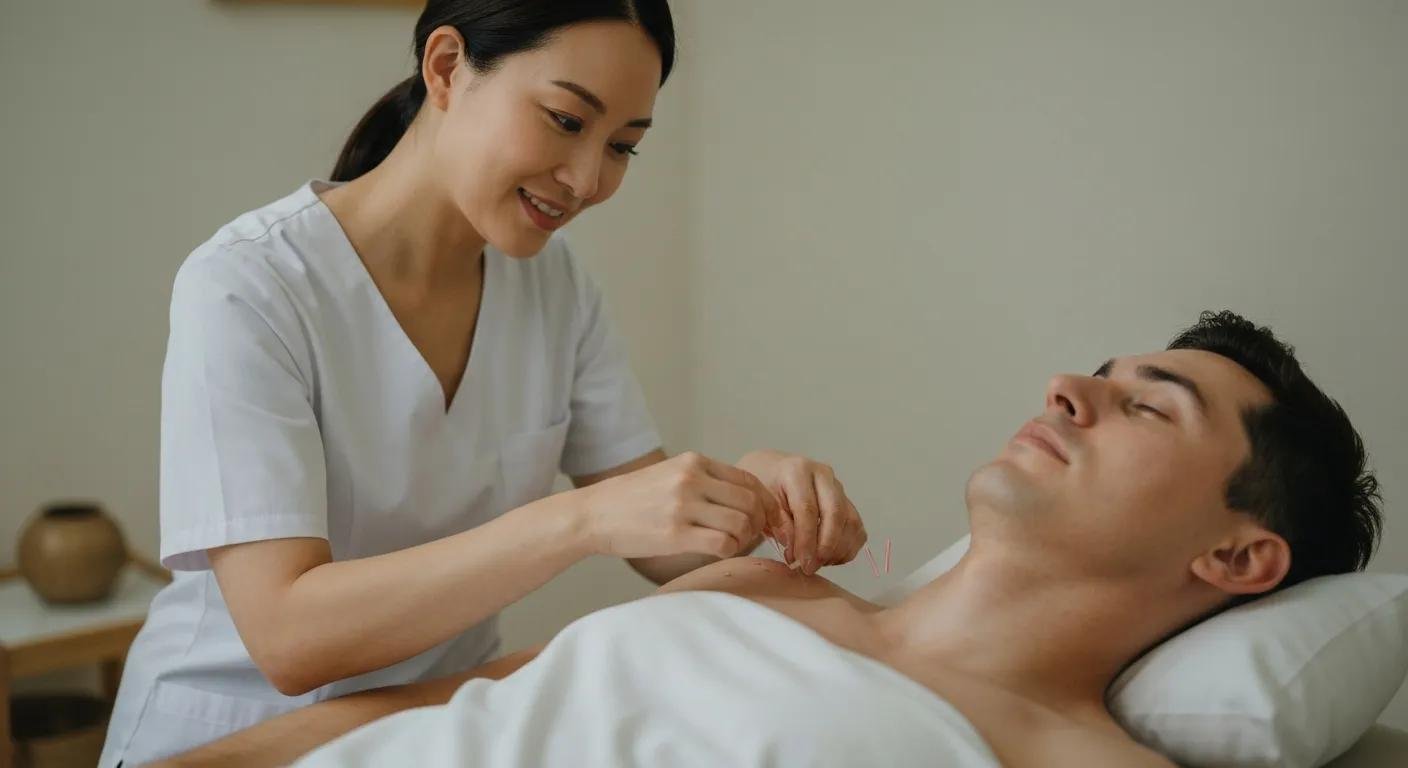
Acupuncture helps control neck pain by changing pain pathways, reducing local inflammation, and triggering the body’s natural analgesic responses—together these effects lower pain and support tissue healing. Fine needles at local and distal points stimulate afferent nerves and encourage release of endogenous opioids, serotonin, and other neuromodulators that calm central pain processing. Improved microcirculation and anti‑inflammatory signaling support repair and reduce muscle tension, which complements manual therapies to restore function. The table below shows how acupuncture and chiropractic approaches work together to deliver broader neck pain relief.
Research supports the value of integrated care for chronic musculoskeletal pain.
Acupuncture and Chiropractic Care for Chronic Musculoskeletal Pain: Real‑World Outcomes
Many studies have examined complementary and alternative (CAM) therapies, but fewer have focused on real‑world outcomes—how these treatments perform in everyday practice. Americans most often seek CAM for chronic musculoskeletal pain (CMP). Among CAM options for CMP, acupuncture and chiropractic care have relatively strong physician acceptance and supporting evidence. Rising opioid prescriptions and surgical interventions—despite cost, risk, and limited long‑term benefit—highlight the need to evaluate practical, non‑surgical CAM pathways patients commonly use and accept.
Acupuncture and chiropractic care for chronic pain in an integrated health plan: a mixed methods study, C Ritenbaugh, 2011
Which Acupuncture Points Are Targeted for Neck Pain Relief?
For neck pain, acupuncturists commonly use local points beside the cervical paraspinals and distal points on meridians such as GB (gallbladder), SI (small intestine), and LI (large intestine) that influence neck and shoulder tension. Local needling near the upper trapezius and paraspinals reduces trigger‑point activity and improves circulation, while distal points help regulate pain pathways and autonomic balance systemically. Point selection depends on your pain pattern and underlying mechanism; safety includes sterile technique and avoiding overly deep needling near major vessels. Combined with manual therapy, these point strategies often speed symptom relief and functional recovery.
How Does Acupuncture Reduce Inflammation and Release Endorphins for Pain Control?
Acupuncture reduces inflammation by influencing cytokine activity and increasing local blood flow, which helps clear inflammatory mediators and delivers nutrients needed for repair. Needle stimulation activates A‑delta and C‑fiber afferents that engage spinal and brain analgesic circuits, prompting release of endogenous endorphins and enkephalins that lower pain perception. These anti‑inflammatory and neurochemical effects produce measurable drops in pain and improved range of motion for many people with neck issues. When acupuncture is part of an integrated plan, it can speed return to function and reduce reliance on symptom‑relief medications.
What Is StemWave Therapy and How Does It Support Chronic Neck Pain Relief?
StemWave therapy is a non‑invasive, energy‑based option intended to stimulate cellular repair pathways and modulate inflammation. It can be a useful adjunct for chronic neck pain that hasn’t fully responded to standard conservative care. The device delivers focused vibrational or acoustic energy to encourage local tissue regeneration, improve microcirculation, and lower chronic inflammatory signaling in tendons, ligaments, and paraspinal soft tissues. Combined with chiropractic alignment and acupuncture, StemWave may help resolve lingering myofascial or tendon pain by accelerating biologic repair and reducing pain‑related immobility. The table below summarizes StemWave features, candidacy considerations, and likely outcomes to help you decide if it’s a fit.
Emerging technologies like StemWave give additional options for stubborn pain.
H‑Wave Device Stimulation for Chronic Neck Pain: Effective Relief and Improved Function
In a patient‑reported outcomes study, neck pain decreased by an average of 3.13 points on a 0–10 scale, with at least 20% relief reported by 86.6% of participants. Activities of daily living improved for over 96%, and work performance improved for about 85%. Medication use decreased or stopped for roughly 65%, and sleep improved for about 60% of patients. More than 95% said their expectations were met or exceeded, and no adverse events were recorded. Longer device use was associated with greater self‑reported benefit in subgroup analyses.
H‑Wave® Device Stimulation for Chronic Neck Pain: A Patient‑Reported Outcome Measures (PROMs) Study, D Han, 2024
How Does StemWave Therapy Promote Tissue Regeneration and Inflammation Reduction?
StemWave uses controlled mechanical or acoustic energy to stimulate cellular signaling tied to repair—things like growth factor expression and mitochondrial activity. These responses support collagen remodeling in tendons and ligaments, lower chronic inflammatory mediators, and increase local blood flow to aid healing. Clinically, patients often report steady decreases in baseline pain and better tolerance for daily tasks after multiple sessions, particularly when StemWave is combined with alignment and acupuncture. It can be a helpful option when tissues need an extra biologic stimulus to reach lasting recovery.
Who Is a Good Candidate for StemWave Therapy in Grapevine?
Good candidates are people with persistent, musculoskeletal neck pain who have plateaued with standard conservative care and want a non‑surgical, non‑drug option to support tissue repair. Contraindications exist, so a careful clinical evaluation is needed to determine safety and likely benefit. If you have chronic neck stiffness, tendon‑related pain, or localized myofascial dysfunction that improves with manual therapy but returns, StemWave may enhance healing and reduce recurrence. To assess candidacy and build a tailored plan, schedule a complimentary consultation at Chiro & Acupuncture Inc.; we’ll review your history, exam findings, and next steps.
What Exercises and Stretches Can Prevent and Relieve Neck Pain?
Targeted exercises and stretches restore cervical and thoracic mobility, strengthen postural muscles, and reduce recurrence by correcting the mechanical causes of neck pain. A consistent home program that includes chin tucks, upper trapezius and levator scapulae stretches, thoracic mobility drills, and deep neck flexor strengthening helps reverse forward head posture and rebalance muscular tension. These home strategies reinforce in‑office gains from adjustments, acupuncture, and adjunct therapies like StemWave. The table below gives a quick reference for common exercises, the structures they target, and their benefits so you can practice safely at home.
Which Stretches Improve Spinal Mobility and Muscle Flexibility for Neck Health?
A focused stretching routine increases spinal mobility and releases tight muscles that contribute to neck pain. Start with chin tucks to engage deep neck flexors and correct forward head posture, then add gentle upper trapezius and levator scapulae stretches to ease asymmetric tension. Include thoracic rotations to restore upper‑back mobility and support cervical alignment. Hold each stretch 20–30 seconds and repeat 2–3 times, avoiding movements that worsen neurologic symptoms. Do the routine daily during acute recovery and 3–4 times per week for maintenance. Combine stretches with strengthening for the best long‑term results; clinicians will tailor progressions to your response and goals.
Recommended neck and thoracic stretches:
- Chin Tuck: Sit tall and gently draw the chin backward to lengthen the back of the neck.
- Upper Trapezius Stretch: Tilt the head away and use your hand to deepen the stretch along the side of the neck.
- Levator Scapulae Stretch: Rotate and tilt the head down toward the armpit to ease tightness in the back of the neck.
- Thoracic Rotation: Sit or kneel and rotate the upper trunk while keeping the hips steady to improve thoracic extension.
These exercises form a practical routine that supports spinal mobility and complements clinical care for more durable symptom relief.
How Can Regular Exercise Complement Chiropractic and Acupuncture Treatments?
Regular exercise reinforces in‑clinic gains by preserving mobility, strengthening postural muscles, and improving circulation and metabolic health that aid tissue repair. A combined program of low‑load endurance work for deep neck flexors, scapular stabilizers, and thoracic mobility drills reduces mechanical stress on the cervical spine and lowers relapse risk. Our clinicians prescribe individualized progressions that align with in‑office treatments so exercises advance safely as symptoms improve. Simple adherence strategies—short daily sessions, clear goals, and gradual progression—make it easier to keep exercises in your routine and sustain the benefits of multimodal care.
Why Choose Chiro & Acupuncture Inc. in Grapevine, TX for Neck Pain Treatment?
Chiro & Acupuncture Inc. offers a local, integrated East‑and‑West approach that blends chiropractic adjustments, acupuncture, and advanced options like StemWave to address the mechanical, muscular, and neurochemical drivers of neck pain. We begin with a patient‑centered pathway that includes a complimentary initial consultation to review your history, perform a focused exam, and recommend a multimodal plan tailored to your goals and condition. We accept many in‑network insurance plans to keep care accessible, and our team combines spinal biomechanics, hands‑on therapies, and evidence‑based acupuncture to speed recovery and reduce recurrence. If you live in Grapevine or nearby Euless or Colleyville, a personalized consultation will clarify the best sequence of treatments for your neck pain.
What Makes Our Integrated Eastern and Western Medicine Approach Unique?
Our integrated model pairs the mechanical benefits of chiropractic alignment with the neurochemical and circulatory effects of acupuncture, producing complementary outcomes that single‑modality care can miss. Chiropractors restore joint motion and reduce nerve irritation while acupuncture lowers pain sensitivity and inflammation; together we address both cause and symptom more effectively. This coordinated pathway lets us sequence therapies for immediate symptom relief, biologic healing, and long‑term maintenance, adjusting the plan based on your progress. Unlike single‑focus care, our protocols prioritize functional restoration and tissue health to improve outcomes.
How Do Our Experienced Doctors and Personalized Plans Enhance Neck Pain Relief?
Our clinical team—including Dr. Taeho Lee, D.C., and Dr. Sunny Han, DACM, L.Ac.—performs targeted assessments to identify biomechanical dysfunction, soft‑tissue drivers, and pain‑modulating needs. From that evaluation we build a phased plan of adjustments, acupuncture, rehabilitation exercises, and adjunctive therapies. The process starts with a thorough history and physical exam, uses objective measures of range of motion and neurologic status, and sets clear goals for pain reduction and functional gains. Personalized plans improve adherence and outcomes by matching treatment intensity and type to each patient’s presentation and response, helping you return to work and recreation while lowering the risk of recurrence.
What Insurance Plans Do We Accept and How Can You Schedule a Consultation?
We accept many in‑network insurance plans to make integrated care easier to access, and we offer a complimentary initial consultation to create an individualized plan. To schedule or ask about coverage, call the clinic at (817) 552-7246 or visit us at 821 E Northwest Hwy, Suite 100, Grapevine, TX 76051 to speak with our administrative team. During the complimentary consultation a clinician will review your history, perform an exam, and explain recommended options—whether chiropractic adjustments, acupuncture sessions, a course of StemWave, or a combined program with home exercise. Our intake and scheduling process keeps the first steps toward recovery simple so you can make informed care decisions.
What Are the Most Frequently Asked Questions About Neck Pain Relief with Chiropractic and Acupuncture?
This FAQ answers common questions about timing of care, realistic outcomes, and our diagnostic and treatment process to reduce uncertainty and help you decide whether integrated care is right for you. We cover red flags, expectations for chronic pain management, and how our assessment and multimodal pathway works. The answers reflect evidence‑informed expectations: many neck pain conditions improve substantially with integrated care, while chronic cases often need ongoing strategies to maintain progress.
When Should I See a Doctor or Chiropractor for Neck Pain?
See a clinician right away if neck pain follows trauma, includes progressive neurologic signs (weakness, numbness, balance problems), or is paired with fever, unexplained weight loss, or bladder/bowel changes—these may indicate a serious condition that needs urgent evaluation. For non‑urgent but persistent pain—lasting more than two weeks, recurring episodes, or pain limiting daily activities—schedule an evaluation to identify mechanical, inflammatory, or neuropathic causes and get a targeted plan. Early conservative care often prevents chronicity and reduces dependence on symptomatic medications, so seek assessment when self‑care doesn’t restore function. If you’re unsure about red flags, seek immediate medical attention.
Can Chronic Neck Pain Be Fully Cured with Chiropractic and Acupuncture?
Outcomes for chronic neck pain depend on the underlying cause, how long symptoms have been present, and patient engagement. Some people experience complete resolution; many others gain substantial pain relief and improved function that serve as effective long‑term management rather than an absolute cure. Factors linked to better results include earlier treatment, less severe structural degeneration, active participation in exercises, and ergonomic changes. Integrated chiropractic and acupuncture care often improves pain control, mobility, and quality of life for chronic cases, and maintenance—periodic care, home exercise, and posture work—helps preserve gains. Clear expectations and collaborative goals improve satisfaction and recovery.
How Is Neck Pain Diagnosed and Treated at Chiro & Acupuncture Inc.?
Our diagnostic process begins with a comprehensive history and focused physical exam assessing cervical range of motion, neurologic function, and biomechanical patterns. We order imaging when indicated to clarify structural issues. Treatment typically blends chiropractic adjustments or mobilization, acupuncture to modulate pain and inflammation, adjunctive therapies like StemWave when appropriate, and a tailored exercise plan to restore posture and strength. Progress is tracked with objective measures, patient‑reported outcomes, and regular reassessment so we can adjust the plan as you improve. Everything begins with a complimentary consultation to outline the most appropriate, personalized sequence of care.