
Natural Shoulder Pain Relief with Chiropractic and Acupuncture in Grapevine, TX: Practical, Effective Care
Shoulder pain can limit movement, disturb sleep, and keep you from work or hobbies. At Chiro & Acupuncture Inc. in Grapevine, TX, we combine hands-on chiropractic care with acupuncture for drug-free relief that restores motion and lowers pain. Below we explain how joint manipulation, targeted mobilization, soft-tissue techniques, and acupuncture points work together so you can regain shoulder function without long-term medications.
We cover common diagnoses—rotator cuff problems, frozen shoulder, impingement, bursitis, tendinitis, arthritis, and nerve-related pain—and outline which conservative approaches help at each stage. You’ll find practical home exercises, progressive strengthening steps, typical timelines, and patient journeys so you know the next steps. If you’re curious whether integrated care fits your shoulder issue, we offer a complimentary initial consultation to review your options.
The sections that follow describe causes, how each therapy helps, the patient pathway at our clinic, safe home progressions, and the results patients commonly achieve.
What Are the Common Causes of Shoulder Pain Treated by Chiropractic and Acupuncture in Grapevine?
Many shoulder problems cause pain, stiffness, and reduced range of motion. Conservative care targets both tissue dysfunction and nervous system sensitization. Knowing the likely diagnosis helps us choose the right combination of joint work, soft-tissue care, and acupuncture: some issues respond best to mobilization and exercise, while others improve faster once pain and inflammation are eased with needling. Below are common conditions we see in clinic and the symptoms that help guide treatment and expected outcomes.
- Rotator cuff tendinopathy or tears — pain with overhead activities and weakness when lifting the arm to the side.
- Frozen shoulder (adhesive capsulitis) — gradual loss of passive and active motion with progressive stiffness.
- Shoulder impingement — pain with arm elevation from soft-tissue pinching under the acromion.
- Bursitis and tendinitis — focal tenderness and pain with specific movements.
- Osteoarthritis and post‑surgical stiffness — chronic restriction and declining function.
- Pinched nerves in the neck or shoulder girdle — pain that refers into the shoulder and limits mobility.
These diagnostic groups shape prognosis and treatment choices. Next we summarize which of these conditions typically respond best to the integrative, natural approaches used in Grapevine clinics.
Which Shoulder Conditions Benefit Most from Natural Treatments?
Conditions that commonly respond well to combined chiropractic and acupuncture care include rotator cuff tendinopathy, mild to moderate impingement, early-stage frozen shoulder, bursitis, tendinitis, and many overuse sports injuries. Manual therapy restores joint motion and improves how the shoulder transmits force, while acupuncture lowers pain and local inflammation so active rehabilitation can start sooner. Clinical reviews show measurable pain relief and improved active range of motion within weeks for tendinopathy and impingement when conservative care is applied consistently. For large structural tears or advanced arthritis, integrative care can still reduce symptoms and improve function, but goals focus on pain control and practical function rather than full tissue regeneration. Knowing how responsive a condition is helps set realistic timelines and tells us when imaging or referral is needed.
Acupuncture for Shoulder Pain: A Systematic Review
This review looked at acupuncture as one of several treatments for shoulder disorders such as adhesive capsulitis, rotator cuff disease, and osteoarthritis. Acupuncture is increasingly used for musculoskeletal pain because of its potential analgesic effects; however, until this review its role in shoulder disorders had not been systematically evaluated.
Acupuncture for shoulder pain, SE Hetrick, 1996
How Do Rotator Cuff Injuries, Frozen Shoulder, and Impingement Affect Shoulder Mobility?
Rotator cuff problems disrupt the glenohumeral mechanics, reducing dynamic stability and causing pain during overhead motion. That often leads to weakness and altered scapular motion that further limits mobility. Frozen shoulder (adhesive capsulitis) moves through painful, stiff, and thawing stages as the capsule contracts, shrinking both passive and active range and making daily tasks like dressing and reaching difficult. Impingement happens when soft tissues are compressed during elevation, producing sharp pain and guarded movement that perpetuates weakness and stiffness. Each condition has distinct treatment priorities: restore joint mobility, reduce pain and inflammation, and retrain muscular control to keep improvements. Restoring normal scapulohumeral rhythm is essential to prevent recurrence and support progression into strengthening.
Below is a clinical mapping of conditions, common symptoms, and how chiropractic and acupuncture typically address them.
How Does Chiropractic Care Provide Natural Shoulder Pain Relief in Grapevine?
Chiropractic care eases shoulder pain by restoring joint alignment, improving glenohumeral and scapulothoracic mechanics, and reducing nerve irritation that can refer pain into the shoulder. Adjustments and mobilizations free restricted joint segments while soft‑tissue techniques relieve myofascial tightness that limits motion. Many patients notice immediate pain relief and small gains in active range that let us progress to strengthening and functional work. Below are core chiropractic techniques and the benefits patients typically experience, followed by a concise mapping of techniques to expected timelines.
- High-velocity, low-amplitude adjustments: Targeted thrusts to restore joint motion and remove mechanical blockages.
- Joint mobilization: Graded, oscillatory movements to increase capsular extensibility and reduce stiffness.
- Soft tissue therapy: Myofascial release, trigger-point work, and instrument-assisted techniques to lower muscle tension.
- Rehabilitation & proprioceptive training: Exercises to retrain scapular control and dynamic shoulder stability.
We often combine these techniques early to control pain and restore baseline motion so active rehabilitation can begin. The next subsection explains what each technique feels like and outlines typical timelines and outcomes.
What Chiropractic Techniques Are Used to Restore Shoulder Range of Motion?
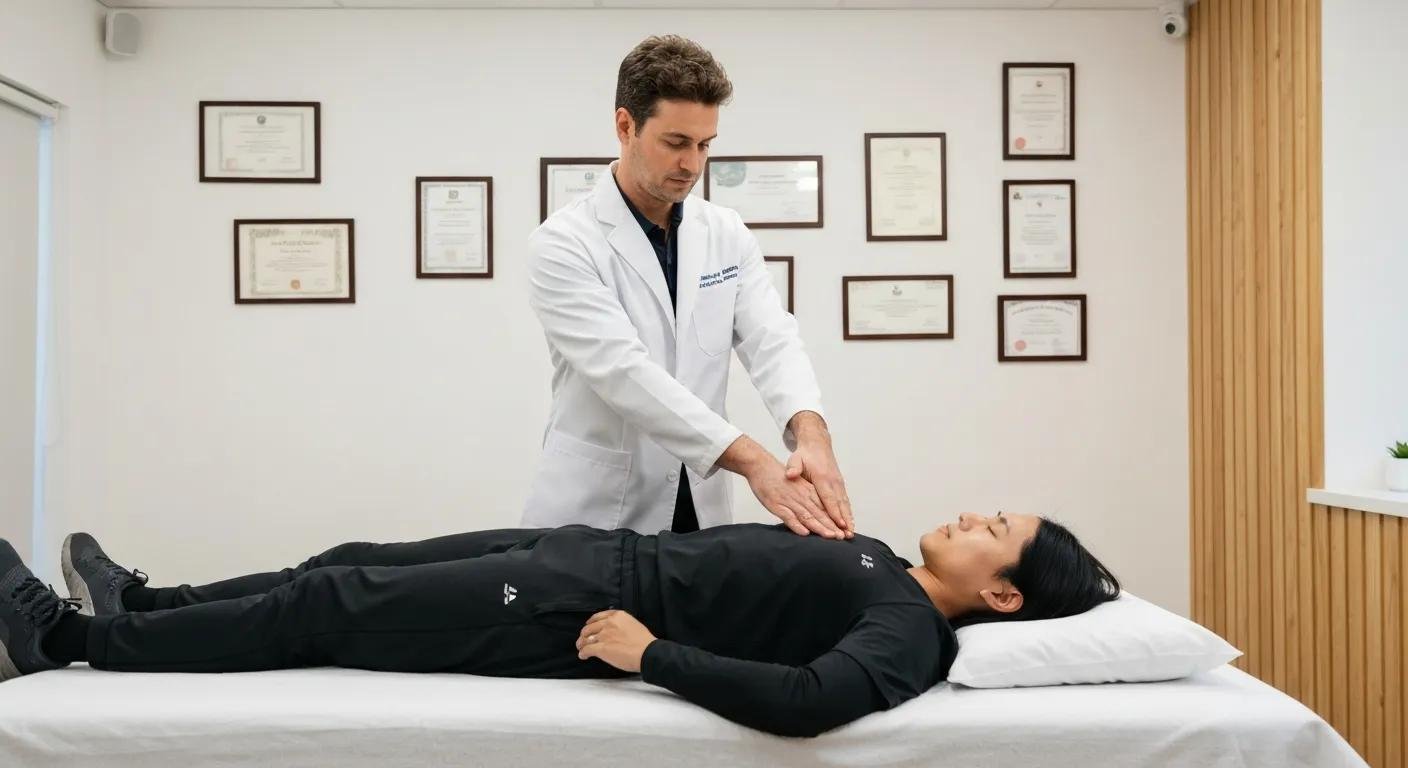
Our clinicians use a range of manual therapies to restore shoulder mobility, pairing joint-specific adjustments with mobilizations and soft‑tissue release to address both joint and surrounding tissue restrictions. High‑velocity adjustments improve joint glide and can reduce pain quickly; mobilizations provide graded stretches to the capsule that help in adhesive capsulitis. Soft‑tissue techniques such as myofascial release and instrument‑assisted mobilization reduce trigger points and fascial tightness, improving tissue flexibility. Patients commonly report less pain and smoother movement after a session. We then add active range work and scapular stabilization exercises to make those gains last. Safety checks for red flags and a gradual move to active strengthening are standard parts of our approach.
Can Chiropractic Adjustments Help with Pinched Nerves and Frozen Shoulder?
Yes—when nerve-related shoulder pain has a biomechanical source (for example, cervical facet dysfunction or thoracic outlet issues), adjustments can improve vertebral mechanics and reduce neural tension, often easing radicular pain into the shoulder. For frozen shoulder, mobilization plus progressive stretching and exercise is the main conservative strategy; adjustments that improve scapular and thoracic posture make mobilization more effective. Recovery timelines vary: nerve-related pain can improve in days to weeks, while adhesive capsulitis commonly needs weeks to months of graded therapy. We monitor progress closely and refer for imaging or specialist care if improvement stalls or symptoms worsen.
Below is a structured mapping of common chiropractic techniques to patient benefits and typical timelines for improvement.
Chiropractic Management of Frozen Shoulder Syndrome: A Case Series
This retrospective case series reports outcomes for patients with frozen shoulder treated with chiropractic methods. The results suggest chiropractic care can be an effective option for managing adhesive capsulitis in many patients.
Chiropractic management of frozen shoulder syndrome using a novel technique: a retrospective case series of 50 patients, 2012
How Does Acupuncture Help Relieve Shoulder Pain and Improve Mobility in Grapevine?
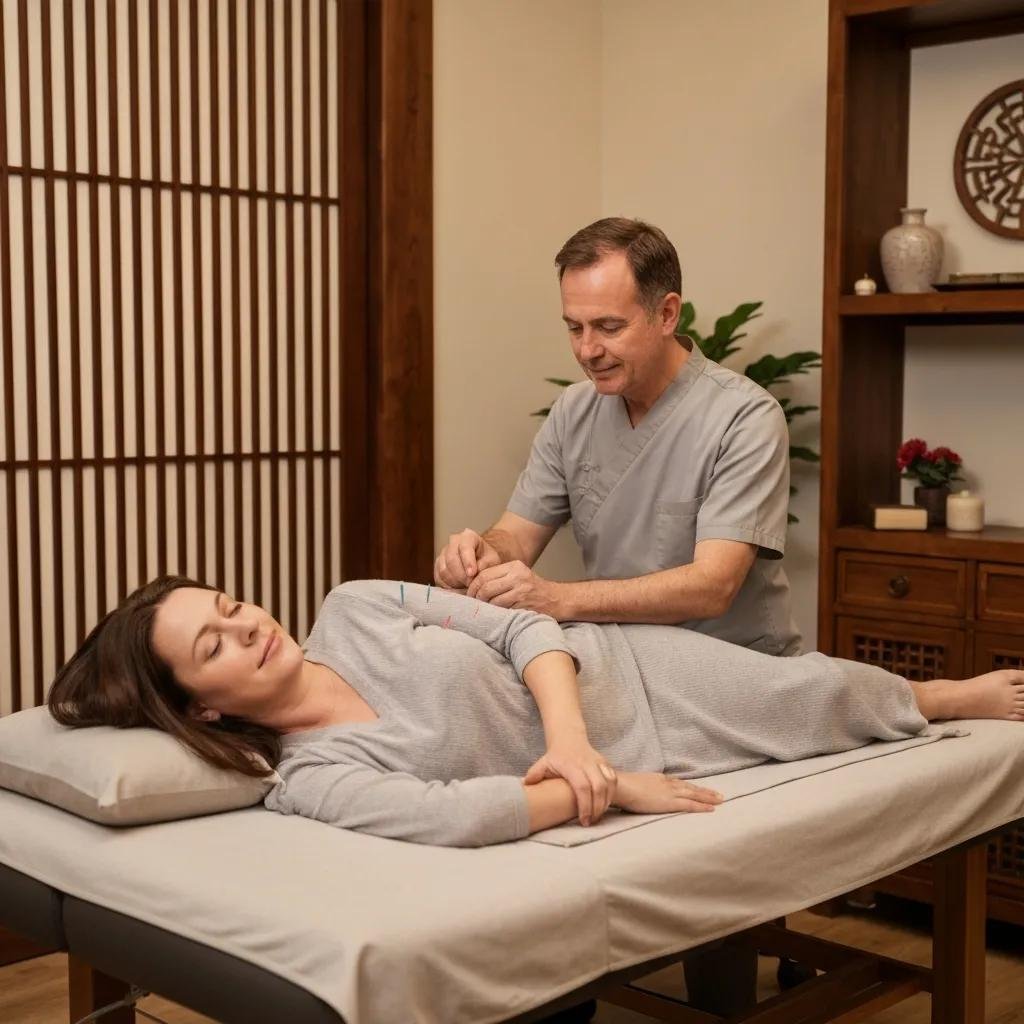
Acupuncture eases shoulder pain and improves mobility through neuromodulation, improved local microcirculation, and anti‑inflammatory neurochemical effects. Fine needles placed at local and distal points can lower pain sensitivity and support tissue healing, allowing patients to engage in mobilization and strengthening sooner. Research shows acupuncture can provide short‑term pain relief and better function when combined with manual therapy. The section below lists commonly used points and explains how we tailor point selection to the diagnosis—whether the priority is pain relief, inflammation control, or improving stiffness.
- Analgesic effect: Stimulates endorphin release and alters central pain processing.
- Anti-inflammatory action: Local needling enhances microcirculation and can reduce inflammatory markers.
- Functional facilitation: Pain relief enables more effective mobilization and exercise participation.
These mechanisms help explain why acupuncture paired with chiropractic care often speeds recovery compared with using either approach alone.
Which Acupuncture Points Are Targeted for Shoulder Pain Relief?
In clinical practice we combine local shoulder points with distal analgesic points to maximize pain relief and restore motion. Local needling near the deltoid and joint reduces muscle spasm and boosts blood flow, improving tissue pliability. Distal points on the hand and forearm help modulate central pain pathways for broader analgesia. Acute cases typically start with one to two sessions per week, then taper as pain and range improve. Point selection is individualized: rotator cuff issues usually emphasize local release, while frozen shoulder pairs distal analgesic points with needling aimed at making mobilization more tolerable.
What Are the Benefits of Combining Acupuncture with Chiropractic Care?
Combining acupuncture with chiropractic care creates a practical synergy: acupuncture lowers pain and inflammation so chiropractic mobilization and strengthening can be done with less guarding and greater range. This complementary approach moves patients from pain control to active rehabilitation more quickly, often shortening recovery time and reducing dependence on pain medications. A typical combined plan begins with frequent acupuncture sessions focused on pain control alongside gentle mobilization, then increases manual therapy intensity and exercise as pain allows. Together, these therapies support a smoother rehab path and better long‑term function.
- Pain control: Faster perceived pain relief that enables movement.
- Improved mobility: Larger gains in range when therapies are used together.
- Enhanced rehab tolerance: Patients can progress strengthening with less discomfort.
This combined strategy naturally shapes a structured patient journey that prioritizes safe assessment and an individualized plan.
Acupuncture and Chiropractic Care for Chronic Pain: An Integrated Health Approach
Among complementary therapies for chronic musculoskeletal pain, acupuncture and chiropractic care are widely accepted and supported by a growing evidence base. Given concerns about opioids and surgery for chronic pain, evaluating real‑world outcomes for these non‑pharmacological options is increasingly important.
Acupuncture and chiropractic care for chronic pain in an integrated health plan: a mixed methods study, C Ritenbaugh, 2011
What to Expect During Your Shoulder Pain Consultation and Treatment Plan at Chiro & Acupuncture Inc.?
At Chiro & Acupuncture Inc. we follow a clear patient pathway to identify the root cause and create a personalized plan. Care begins with a complimentary initial consultation, followed by a focused physical exam, functional testing, and shared decision‑making to choose a tailored mix of chiropractic adjustments, soft‑tissue therapy, acupuncture, and home exercise progressions. Intake gathers your history and any prior imaging; clinicians perform orthopedic and neurologic screening to confirm whether conservative, integrative care is appropriate. We accept most insurance plans to help reduce financial barriers, and we’ll explain options and estimated timelines during your visit. Schedule a consult so our team can design a practical plan aimed at restoring range and returning you to meaningful activities. The next sections describe how individualized plans are developed and exactly what happens during the complimentary consultation.
How Is a Personalized Treatment Plan Developed for Shoulder Pain?
We build a personalized plan from your diagnosis, symptom severity, functional goals, and any comorbidities. Clinicians combine history, exam findings, and your priorities to sequence care. Typical phases include an initial pain‑control stage (acupuncture, gentle mobilization), an intermediate phase for restoring range and neuromuscular control (progressive mobilizations and exercises), and a strengthening phase for rotator cuff and scapular muscles to lock in gains. Frequency is adjusted to your response—acute problems may start with several visits per week and taper as you improve—and we set clear milestones for range, pain scores, and functional tasks. Progress is tracked and the plan is adapted to keep you moving toward work, sport, or daily goals.
What Happens During the Complimentary Initial Consultation?
During the complimentary initial consultation you’ll get a focused evaluation and practical education. We take a concise symptom history, review any imaging you bring, and perform targeted orthopedic and neurologic tests to identify the most likely pain generator. The visit includes a hands‑on assessment to find movement restrictions and soft‑tissue sensitivity, and clinicians outline conservative options that match your condition. This discovery visit determines whether chiropractic and acupuncture are appropriate and gives you a proposed plan and expected timeline. If care is recommended, we’ll explain next steps, review insurance coverage, and schedule follow‑up visits so you can begin a structured recovery.
- Bring your symptom history: Note when symptoms started, what makes them better or worse, and prior treatments.
- Prepare current medications: Bring a list of medications and any prior imaging you have available.
- Wear comfortable clothing: Loose clothing allows for easier assessment and treatment.
- Be ready to discuss goals: Tell us the activities you want to get back to.
These simple steps make the complimentary consultation efficient and focused on actionable next steps.
Which Exercises and Stretches Support Shoulder Pain Relief at Home in Grapevine?
Home exercises and stretches are essential to maintain progress from in‑clinic care. Safe progressions restore mobility, prevent tissues from re‑tightening, and build the rotator cuff and scapular stabilizers that protect long‑term function. Early work emphasizes pain‑free active‑assisted range and scapular activation, then advances to progressive rotator cuff strengthening and eccentric loading as tolerated. We give clear guidance on frequency, reps, and when to increase load or pause and contact your clinician. Below are common drills recommended by chiropractors, with guidelines to avoid irritation and support recovery.
- Pendulum swings — gentle joint lubrication without stressing injured tissues.
- Doorway or corner stretches — improve anterior shoulder and chest flexibility.
- Scapular retraction drills (squeezes) — re‑establish scapulothoracic rhythm.
- External rotation strengthening with light resistance bands — rebuild rotator cuff control.
Perform these exercises with attention to pain thresholds. The next section describes step‑by‑step cues and sensible progressions for the most commonly used mobility drills.
What Are the Best Shoulder Mobility Exercises Recommended by Chiropractors?
We recommend starter mobility drills that restore joint play and scapular timing without painful end‑range loading. Pendulum swings provide gentle mobilization with minimal muscle effort, while controlled doorway stretches safely open the front of the shoulder. Scapular retraction drills re‑train elevation mechanics and reduce compensatory patterns during reaching. Early strength work focuses on isometrics and low‑load external rotation with light bands, progressing to eccentric loading as pain allows. Aim to do mobility drills daily and strength work about three times per week, monitor pain closely, and stop if you feel sharp or worsening pain—report changes to your clinician so we can safely advance your program.
How Can Stretching Complement Chiropractic and Acupuncture Treatments?
Stretching helps keep gains from manual therapy by preventing tissues from tightening between visits and supporting long‑term mobility. Gentle static stretches after a warm‑up increase muscle length, and PNF techniques can speed flexibility when done under supervision. Timing matters: light stretches are often beneficial right after acupuncture or mobilization because pain is reduced and tissues respond better. Regular stretching lowers the chance of recurring stiffness and supports the strengthening phase by ensuring the joint can access a usable range. Simple adherence strategies—short daily routines and tying stretches to morning or evening habits—improve consistency and outcomes.
- Short daily routines: 10 minutes of mobility and stretching to maintain range.
- Warm-up before stretching: Gentle movement or heat makes stretching more effective.
- Pain‑limited progression: Stretch to a comfortable tension, not sharp pain.
These practical steps help preserve progress made in clinic and reduce the risk of relapse.
What Are Patient Success Stories and Frequently Asked Questions About Shoulder Pain Relief in Grapevine?
Many patients report meaningful reductions in pain and improvements in function with combined chiropractic and acupuncture care—especially when treatment starts early and is paired with a consistent home program. Typical examples include a desk worker with impingement who regained overhead reach after eight weeks of combined care and progressive strengthening, and a recreational athlete with rotator cuff tendinopathy who returned to full activity after a 10‑week program that began with acupuncture for pain control. These stories show that early care, realistic goals, and adherence to home exercises predict the best outcomes. Below we answer common questions people ask when considering integrative care.
Chiropractic Adjustments for Upper Trapezius Shoulder Pain Relief
Conservative care, including chiropractic adjustments, has been used successfully for shoulder pain related to upper trapezius dysfunction. This guide reviews anatomy, biomechanics, contributing factors, and evidence‑based options that explain how chiropractic methods can reduce discomfort and improve shoulder girdle function.
Shoulder Pain: Effective Treatment Options for the Upper Trapezius
How Have Patients Found Relief from Frozen Shoulder and Rotator Cuff Injuries?
Representative cases show combined approaches often shorten recovery timelines. For adhesive capsulitis, regular mobilization with acupuncture‑assisted pain control can move a patient from severe restriction to usable range in roughly 8–12 weeks when paired with daily stretching and progressive loading. For rotator cuff tendinopathy, reducing pain through local soft‑tissue work and acupuncture allows earlier eccentric strengthening, often restoring function in about 6–10 weeks depending on severity. Success depends on staged care—pain control, mobility restoration, then strengthening—and on patients following the program and attending planned visits. Progress is tracked with active range measurements, pain scores, and return‑to‑activity milestones.
Acupuncture and Rehabilitation for Painful Shoulder Conditions
Earlier reviews found limited high‑quality evidence for physiotherapy alone, but more recent randomized studies have increased interest in combining acupuncture with rehabilitation for subacromial syndrome (rotator cuff tendinitis and subacromial bursitis). Ongoing trials aim to clarify how acupuncture plus physiotherapy compares to standard care.
Acupuncture and rehabilitation of the painful shoulder: study protocol of an ongoing multicentre randomised controlled clinical trial [ISRCTN28687220], 2005
Can Chiropractic and Acupuncture Provide Long-Term Shoulder Pain Management?
Yes. Chiropractic and acupuncture can be important parts of long‑term shoulder management when paired with a maintenance plan that includes consistent exercise, occasional manual care, and ergonomic or activity adjustments to lower recurrence risk. Maintenance visits are scheduled based on individual needs and activity level, while a durable home program preserves strength and mobility. For chronic conditions like arthritis, the focus is symptom control and function rather than cure, using sustainable routines to minimize flare‑ups. Long‑term success relies on regular self‑care, early attention to symptom changes, and periodic clinic guidance to adjust the preventive plan.
Key takeaways from patient success patterns:
- Early care matters: Starting conservative treatment sooner often leads to better outcomes.
- Combined therapy speeds recovery: Pain control plus manual therapy enables earlier active rehab.
- Home program is essential: Exercises and stretches maintain results between visits.
We invite you to schedule a complimentary initial consultation with Chiro & Acupuncture Inc. to review your shoulder pain and find out if integrated chiropractic and acupuncture care can help restore your range of motion and reduce pain.