
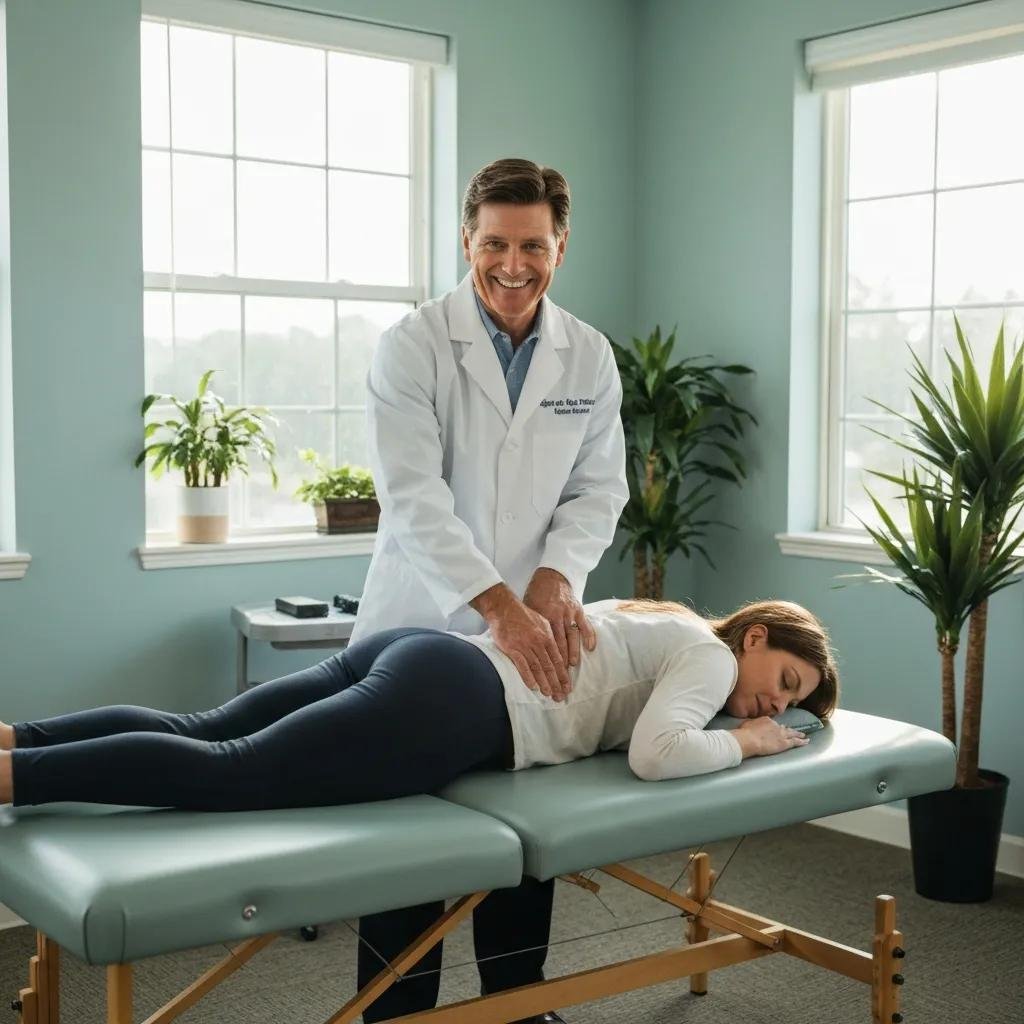
Effective Back Pain Treatment in Grapevine, TX with Chiropractic Care and Acupuncture for Lasting Relief
Back pain is a leading reason people miss work or stop doing activities they enjoy — and you don’t always need surgery or long-term opioid use to get better. This guide shows how chiropractic care and acupuncture, used together, can ease mid- and low-back pain, restore spinal mobility, and reduce dependence on medications. You’ll find clear explanations of common causes, how spinal adjustments and acupuncture lower pain and inflammation, which conditions respond best, and why combined treatment often speeds recovery and improves daily function. We also include practical self-checks, simple exercises to keep your spine mobile, and steps for finding care in Grapevine, TX. The emphasis is practical: causes and symptoms, chiropractic methods (including instrument-assisted options), acupuncture’s neuromodulating effects, and when an integrated plan is appropriate for sciatica or disc-related problems. By the end you’ll understand typical timelines for improvement and how to get started with a complimentary initial consultation at a nearby integrative clinic.
What Are the Common Causes and Symptoms of Back Pain in Grapevine?
Back pain usually comes from problems with the spine’s bones, discs, joints, nerves, or nearby muscles. Different sources produce distinct symptom patterns that help guide diagnosis and treatment. Strains or sprains of muscles and ligaments tend to cause local pain and stiffness. Structural problems — like a herniated disc or arthritic facet joints — often create pain that radiates or produces neurologic signs. Age-related degeneration of discs and facets can cause fluctuating, long-term discomfort and reduced range of motion. When nerves are compressed (sciatica), people commonly feel leg pain, numbness, or weakness. Knowing these patterns helps you and your clinician decide when conservative care such as chiropractic adjustments and acupuncture is appropriate and when urgent evaluation is necessary.
Common causes of mid and low back pain include:
- Overuse or sudden movement leading to muscle strain or ligament sprain.
- Herniated or bulging discs that irritate nearby nerves.
- Degenerative disc disease and facet joint arthropathy causing chronic symptoms.
- Nerve compression (sciatica) that produces pain, numbness, or weakness down the leg.
Understanding these patterns sets the stage for identifying the specific conditions that commonly produce persistent lower and mid-back pain.
What conditions lead to lower and mid back pain?
Lower and mid-back pain usually fall into identifiable conditions, each with a characteristic presentation and route of care. Muscle strain typically causes localized, often sharp pain that gets worse with movement. A lumbar disc herniation commonly creates shooting pain that follows a nerve distribution down the leg — classic sciatica. Degenerative disc disease is more likely to produce a dull, aching stiffness that can worsen with prolonged posture but often eases with gentle motion. Facet arthropathy tends to cause focal pain that increases with extension and rotation. Clinicians separate these problems by listening to your history, performing targeted exams, and ordering imaging when needed. Non-surgical management — such as manual therapy, pain-control measures, and mobility-focused rehabilitation — is tailored to the diagnosis.
How can you recognize symptoms like stiffness, radiating pain, and numbness?
Stiffness, radiating pain, and numbness point to different causes and levels of urgency, so a few simple self-checks can help you decide what to do next. If stiffness eases with light movement, the issue is often muscular or joint-related. Sharp, shooting pain that travels below the knee suggests nerve root irritation and possible sciatica. Numbness, tingling, or progressive weakness — especially in the legs or around the groin — are red flags that need prompt clinical assessment for nerve compression or other serious neurologic problems. Useful self-checks include noting whether pain follows a dermatomal pattern, whether symptoms worsen with coughing or straining, and whether bladder or bowel function has changed; these details help clinicians choose conservative care or more urgent referral.
How Does Chiropractic Care Relieve Back Pain in Grapevine, TX?
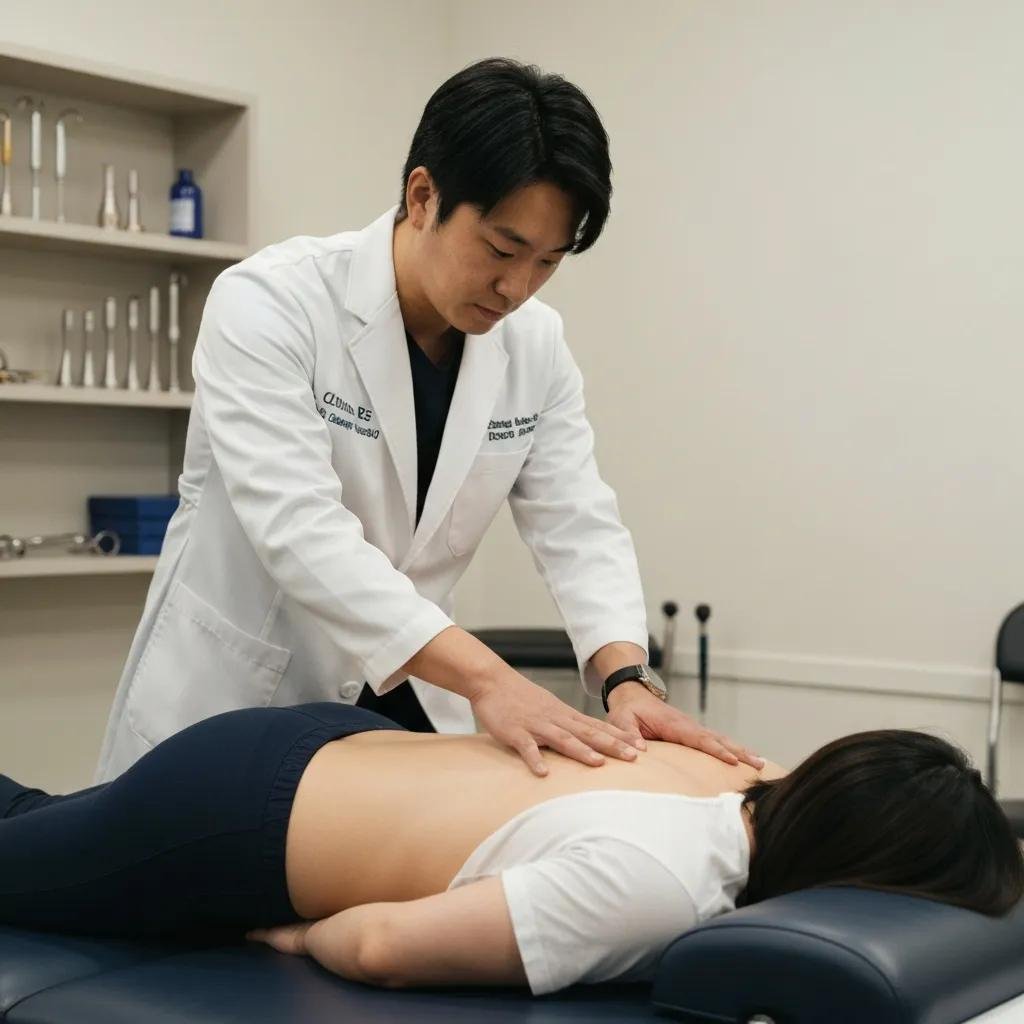
Chiropractic care helps by restoring normal joint motion, easing mechanical irritation of nerves, and improving muscle balance to optimize spine mechanics. Hands-on adjustments and instrument-assisted methods target vertebrae, facet joints, and the surrounding soft tissues to improve joint glide, reduce localized inflammation, and change pain signaling through the nervous system. For many patients, better segmental mobility leads to less pain, greater range of motion, and better tolerance for the strengthening and mobility work that prevents recurrence. Current clinical evidence through 2024 supports spinal manipulation as an important part of non-surgical care for appropriately selected cases of acute and chronic low back pain.
The force and speed of high-velocity, low-amplitude (HVLA) adjustments are recognized factors influencing the effect of spinal manipulation.
Chiropractic Adjustments: Force and Speed in Spinal Manipulation
Research shows the magnitude and speed of high-velocity, low-amplitude (HVLA) adjustments can affect outcomes. Studies have examined biomechanical effects and training targets for force and speed to better understand how lumbar HVLA techniques influence spinal mobility and pain relief.
Chiropractic approaches differ in how they work and how they feel. The table below outlines common methods used for back pain and typical session times.
This comparison highlights how different methods emphasize force, precision, or a combined rehabilitation strategy to relieve pain and improve movement.
What are chiropractic adjustments and spinal manipulation techniques?
Chiropractic adjustments include both manual and instrument-assisted options designed to normalize joint motion and improve neuromuscular control. HVLA adjustments use a brief, controlled thrust to the joint (sometimes producing an audible “pop”) to reset mechanics and reduce nociceptive signaling. Instrument-assisted tools such as the Activator deliver targeted impulses with minimal force for patients who need a gentler approach. Mobilization and soft-tissue techniques use repeated, controlled movement and muscle release to restore flexibility and circulation. Safety starts with screening for red flags and choosing techniques that fit each patient’s condition, preferences, and overall health.
What benefits does chiropractic care offer for pain relief and spinal mobility?
Chiropractic care can produce measurable reductions in pain, increased range of motion, and improved function that helps people return to normal activities sooner. Clinical series and guidelines through 2024 report meaningful pain-score and function improvements for many patients who receive spinal manipulation as part of a multimodal program, with mobility gains often noticeable within the first few visits. Beyond short-term relief, chiropractic-guided rehabilitation emphasizes core strengthening and posture work to lower recurrence risk and support lasting spinal stability. These functional gains frequently reduce dependence on oral pain medications and allow patients to resume exercise and work more comfortably.
How Is Acupuncture Used for Chronic Back Pain Relief in Grapevine?
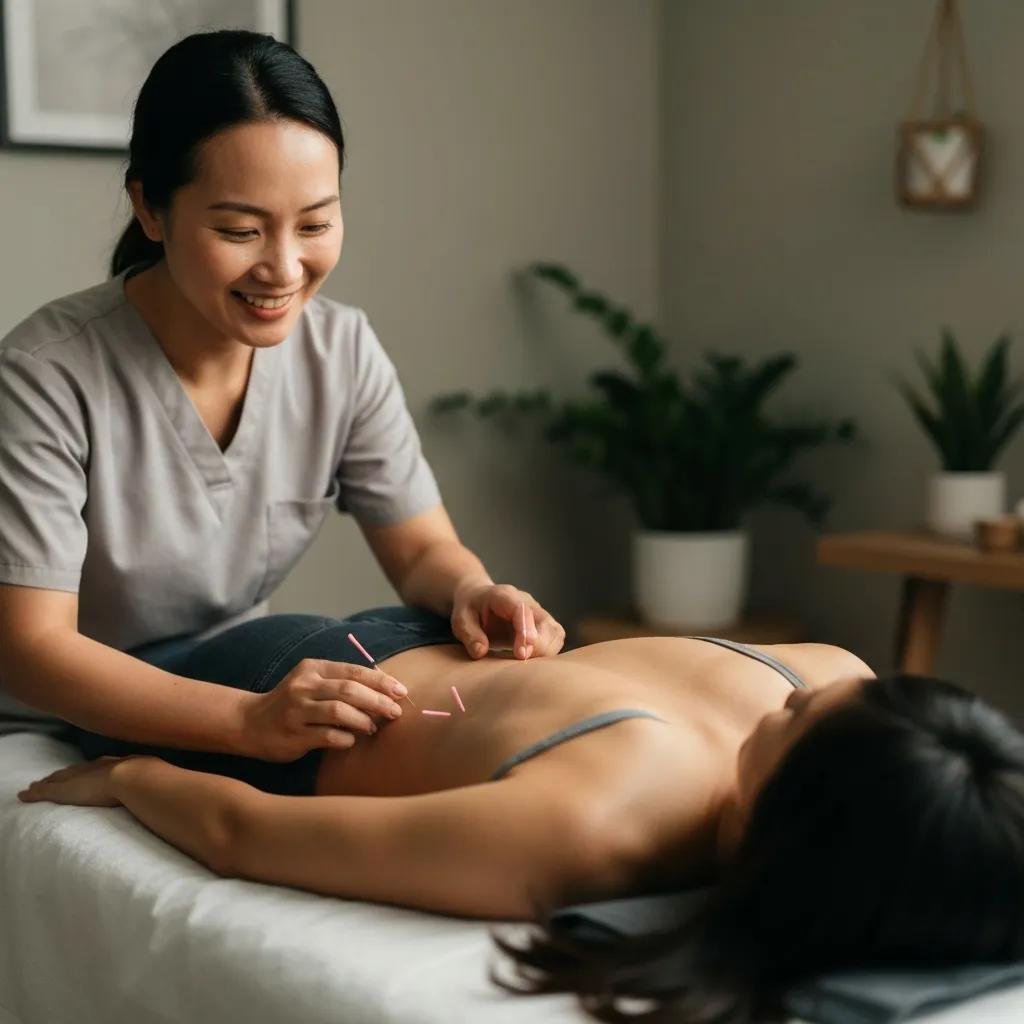
Acupuncture helps chronic back pain by changing how the nervous system processes pain, reducing local inflammation, and relaxing tight soft tissues through targeted needling and adjunct therapies. Needling specific points can trigger endorphin release, activate descending inhibitory pathways, and improve local microcirculation — actions that lower pain perception and support tissue healing. Systematic reviews through 2024 find acupuncture is an effective part of care for many people with chronic low back pain, particularly when combined with manual therapies and exercise. In practice, acupuncture often provides analgesia that makes rehabilitation work easier and more effective.
Many Americans turn to complementary and alternative medicine most often for chronic musculoskeletal pain, and acupuncture and chiropractic care rank high among accepted, evidence-supported options.
Acupuncture and Chiropractic Care for Chronic Pain: An Integrated Health Approach
Surveys and research show Americans seek CAM treatments most frequently for chronic musculoskeletal pain. Within CAM, acupuncture and chiropractic care are among the most accepted by clinicians and have the strongest supporting evidence. Rising rates of opioid prescriptions and surgeries for chronic pain — despite limited long-term benefits and higher risks — make evaluating non-pharmacologic, non-surgical options increasingly important in real-world care.
The table below summarizes common acupuncture approaches for back pain and the benefits you can expect.
What is acupuncture and how does it control pain and inflammation?
Acupuncture inserts fine needles at strategic points to influence nervous-system signaling, hormonal responses, and local blood flow, which together reduce pain and inflammation. Research shows needling can prompt release of endogenous opioids, alter levels of neurotransmitters such as serotonin and norepinephrine, and lower pro-inflammatory cytokines at treated sites — producing both immediate and longer-lasting effects on pain pathways. A typical session includes assessment, gentle needling of selected points, and brief monitoring; electro-acupuncture or other adjuncts may be used for persistent or neuropathic pain. When performed by licensed clinicians, acupuncture has a favorable safety profile, and treatment frequency is tailored to symptom severity and response.
Which back pain conditions respond well to acupuncture treatment?
Acupuncture shows consistent benefit for chronic low back pain, pain related to muscle spasm, and certain neuropathic patterns such as sciatica when used as part of an integrated plan. Many people with persistent low back pain notice meaningful pain reduction and better function after several treatments over a few weeks. Electro-acupuncture may be especially helpful for nerve-related pain. Acupuncture is rarely a lone solution for cases with structural instability or severe neurologic deficit; those problems usually require manual therapy, imaging, or specialist input in addition to needling. Combining acupuncture with movement-based rehab often produces the best functional results.
Why Choose an Integrated Approach Combining Chiropractic and Acupuncture for Back Pain?
Combining chiropractic adjustments with acupuncture gives complementary benefits: structural correction and improved joint mechanics from chiropractic care, plus neuromodulation and pain control from acupuncture. Chiropractors reduce mechanical stress on discs, facets, and nerves through adjustments and rehabilitation, while acupuncture lowers pain and inflammation and eases soft tissues so manual work and exercise are better tolerated. Together these therapies help patients participate fully in progressive strengthening and mobility programs, moving from symptom relief toward lasting function. Evidence-informed integration focuses on coordinated plans that sequence analgesic acupuncture and targeted adjustments with stepwise rehabilitation.
For chronic back pain, integrative care pathways are theorized to produce better outcomes than single-discipline approaches when teams work collaboratively and non-hierarchically.
Integrative Care Pathways for Chronic Back Pain Management
Integrated care models propose that coordinated, interdisciplinary treatment can improve outcomes for chronic back pain compared with monodisciplinary care. This approach emphasizes collaboration and a structured care pathway to guide treatment across provider types.
The table below compares typical benefits and expected timelines for combined care versus single-modality approaches.
How do chiropractic and acupuncture therapies complement each other?
The therapies complement each other by addressing different points in the pain network: chiropractic work focuses on mechanics and alignment, while acupuncture targets pain signaling and soft-tissue tolerance. For example, acupuncture can reduce pain and muscle guarding so the chiropractor can more easily restore joint motion. After adjustments improve alignment and mobility, acupuncture can support tissue recovery and sustained analgesia while patients complete rehabilitative exercises. Scheduling often alternates treatments or coordinates same-day visits when practical to maximize comfort and forward progress. This coordinated approach creates a clear, patient-centered path to recovery.
What patient outcomes demonstrate the effectiveness of combined care?
People who receive both chiropractic and acupuncture care commonly report faster pain relief, larger gains in range of motion, and an earlier return to daily activities than with a single therapy, and many reduce their reliance on pain medications. Practice data and recent reviews show clinically meaningful drops in pain scores and improved function for integrated programs within weeks, with maintenance visits helping sustain results and prevent relapse. Typical case patterns include quick analgesia from acupuncture in 1–2 sessions, mechanical improvement after the first series of adjustments, and steady functional recovery over a 4–8 week rehab plan. These outcomes illustrate the value of coordinated, multimodal care.
What Makes Chiro & Acupuncture Inc. the Best Choice for Back Pain Treatment in Grapevine?
Chiro & Acupuncture Inc. is a local integrative clinic in Grapevine, TX offering coordinated chiropractic and acupuncture services focused on pain relief, spinal mobility, and improved function. We blend Eastern and Western strategies for managing pain and spinal health and make care accessible with a complimentary initial consultation and broad insurance acceptance. Our team includes Dr. Taeho Lee, D.C., who provides spinal adjustments and non-surgical spine care, and Dr. Sunny Han, DACM, L.Ac., who specializes in acupuncture for pain control. Together they build coordinated treatment plans that guide patients from evaluation through rehabilitation, offering practical, evidence-informed care for Grapevine and nearby communities seeking conservative back pain solutions.
The following table outlines key practice offerings and the patient-centered value they deliver.
Who are Dr. Taeho Lee and Dr. Sunny Han and what are their specialties?
Dr. Taeho Lee, D.C., provides spinal adjustments, non-surgical spine care, and rehabilitation-focused services aimed at restoring joint mobility and function. Dr. Sunny Han, DACM, L.Ac., is trained in acupuncture and Chinese medicine and offers programs that modulate nervous-system responses and reduce inflammation. Together they collaborate to create integrated plans that combine hands-on adjustments with targeted neuromodulation to relieve pain, restore mobility, and support active rehabilitation for patients in Grapevine and the surrounding area.
What insurance plans are accepted and how does the complimentary consultation work?
We accept a range of insurance plans to improve access to non-surgical spine care and acupuncture; please contact the clinic directly to confirm your specific insurer. The complimentary initial consultation includes a focused clinical evaluation, review of your symptoms and red-flag screening, and a discussion of evidence-informed options — including chiropractic adjustments, acupuncture programs, and a recommended rehabilitation plan. This no-cost visit maps out an individualized pathway to recovery and answers questions about timing, expected benefits, and scheduling so you can decide whether to begin integrated care.
What Are the Most Frequently Asked Questions About Back Pain Treatment with Chiropractic and Acupuncture?
This FAQ answers common patient questions clearly and concisely, using current evidence through 2024 to set realistic expectations for effectiveness, safety, and treatment frequency. Each answer summarizes the best-available guidance and offers practical next steps for patients considering an integrated approach. At the end you’ll find an invitation to schedule your complimentary consultation with our local team.
Is acupuncture effective for chronic lower back pain?
Yes — reviews and guidelines through 2024 show acupuncture can be an effective option for many people with chronic lower back pain, producing pain relief and functional improvement compared with usual care. Acupuncture often helps patients be more active and engage in rehabilitation, though responses vary and the best results usually come when acupuncture is combined with movement-based therapies. Expect a series of sessions over several weeks and a plan customized by a qualified acupuncturist to monitor progress and adjust frequency as needed.
How often should chiropractic adjustments be scheduled for lasting relief?
Frequency depends on the severity of your symptoms, how long you’ve had them, and your recovery goals. A typical plan starts with more frequent visits during the acute phase to reduce pain and restore mobility, then tapers to weekly and later monthly sessions focused on exercise progression and prevention. Your complimentary consultation will produce an individualized schedule that matches objective improvement, your tolerance, and how acupuncture and rehab exercises are integrated.
Schedule Your Complimentary Consultation Today: contact Chiro & Acupuncture Inc. to arrange a no-cost initial evaluation. We’ll review your condition, explain evidence-based options, and outline an individualized plan that may combine chiropractic adjustments and acupuncture. This first visit clarifies likely timelines, expected outcomes, and how in-office care will coordinate with home mobility exercises to help you get back to the activities you enjoy.