

Chiropractic & Acupuncture Care in Grapevine, TX — Expert Treatment for Whiplash, Neck, and Back Pain After Car Accidents
Car crashes often cause musculoskeletal injuries that range from immediate, sharp pain to delayed, lingering symptoms like whiplash, neck and back pain, headaches, and soft tissue problems. This guide explains how those injuries happen, how non‑surgical care — specifically coordinated chiropractic and acupuncture — eases pain and restores function, and when to seek a timely evaluation after a motor vehicle collision. You’ll learn which injuries typically respond to manual therapy and needling, what to expect during treatment, how insurance coordination usually works, and realistic recovery timelines. We reference evidence‑informed mechanisms, practical steps for documenting and managing an auto‑injury claim, and actionable tips for choosing a personalized rehab plan. Our goal is to help anyone in Grapevine, TX understand options, feel confident about next steps, and know when to request a complimentary initial consultation to begin care.
Common Car Accident Injuries Treated with Chiropractic and Acupuncture in Grapevine, TX
After a collision, many musculoskeletal problems involve soft tissues and joints that respond well to integrated, conservative care aimed at reducing inflammation and restoring movement. Typical conditions seen in our auto‑injury clinic include whiplash disorders, cervical and lumbar strains, post‑traumatic headaches, and soft tissue injuries to the shoulders, knees, hands, or feet. These issues usually show as pain, stiffness, and limited function. Below are the diagnoses we commonly treat and the symptoms patients report in the early and subacute stages.
- Whiplash‑associated disorder: neck pain, stiffness, headaches, and sometimes dizziness after rapid acceleration‑deceleration.
- Cervical strain or sprain: localized neck soreness with reduced range of motion.
- Lumbar strain or disc irritation: low back pain that can refer into the leg.
- Soft tissue contusion and muscle spasm: tender, swollen areas with limited movement.
- Post‑traumatic headache: tension‑type or cervicogenic headaches linked to neck dysfunction.
These conditions tend to respond best to timely assessment and conservative rehabilitation. The next section explains the biomechanics and typical symptom timeline for whiplash.
How Whiplash Happens and What to Watch For
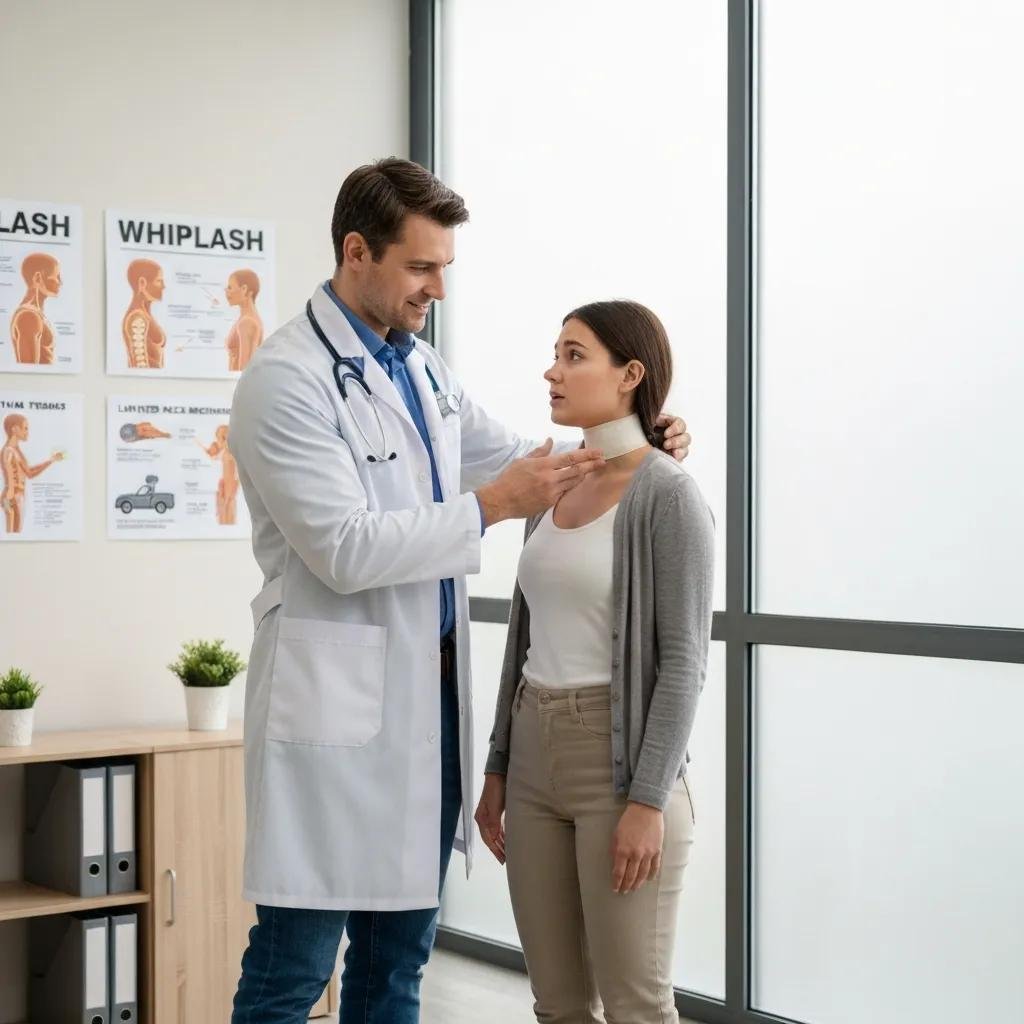
Whiplash results when quick acceleration‑deceleration forces make the head move abruptly relative to the torso, stretching the muscles, ligaments, and joint tissues in the neck. This motion can cause microtrauma to soft tissues, irritation of joint capsules, and reflex muscle guarding that together produce neck pain, stiffness, and headaches. Symptoms can be immediate or develop over 24–72 hours. Common complaints include trouble turning the head, sleep disruption from pain, and occasional lightheadedness or difficulty concentrating when upper cervical joints are irritated. Because symptoms may start later, an early clinical assessment is important to document injuries, guide a conservative rehab plan, and reduce the chance of ongoing problems.
Why Neck, Back, and Soft Tissue Pain Occur After a Crash
Neck and back pain after a collision most often come from a mix of soft tissue strains, joint irritation, and altered muscle control rather than major structural failure. Ligament sprain, tiny muscle tears, disc irritation, and localized inflammation can each cause pain and protective spasm that limit motion and change movement patterns. Early care that focuses on pain relief, restoring joint motion, and retraining muscle coordination helps prevent maladaptive patterns that can lead to chronic pain. These pathways explain why non‑surgical options — spinal adjustments, soft tissue techniques, targeted exercise, and needling — are effective first‑line strategies for many post‑accident patients.
This practical, multi‑modal approach is supported by a range of therapeutic options for MVA recovery.
Integrative Care for Motor Vehicle Accident Recovery: Chiropractic & Acupuncture
Motor vehicle accidents (MVAs) can change daily life, producing injuries that affect muscles, joints, nerves, and overall well‑being. From whiplash to fractures, these events can cause significant pain and limit activities. Integrative care — combining chiropractic adjustments, acupuncture, massage, and input from nurse practitioners — offers a whole‑person path to recovery. This overview reviews common MVA injuries, their effects, and how coordinated treatments, guided by clinicians like Dr. Alexander Jimenez, DC, APRN, FNP‑BC, can help patients heal. Written in clear, accessible language, it’s meant to inform anyone seeking to understand the recovery process after a collision.
Motor Vehicle Accident Recovery and Integrative Care
How Chiropractic Care Helps After Car Accidents — Whiplash and Back Pain
Chiropractic care helps reduce pain and restore function after car crashes by improving joint mobility, lessening muscle tightness, and retraining movement through corrective rehabilitation. Providers use hands‑on spinal adjustments, gentle mobilizations, soft tissue work, and therapeutic exercises to address mechanical and neuromuscular contributors to post‑accident pain. These treatments typically yield better range of motion, less muscle spasm, and lowered pain signaling. Below we describe common techniques and how they support recovery so you know what to expect.
Common Chiropractic Techniques for Auto‑Injury Pain
Clinicians often combine spinal manipulation, joint mobilization, instrument‑assisted soft tissue therapy, myofascial release, and progressive rehab exercises to treat car accident injuries. Adjustments restore joint mechanics and reduce abnormal movement patterns, while soft tissue methods ease muscle tension and improve circulation to speed healing. Rehab exercises build stability, endurance, and motor control to help prevent re‑injury and support long‑term function. The table below links each approach to how it works and the benefits patients can expect.
Why Spinal Biomechanics Matter for Recovery
Spinal biomechanics explains how vertebral alignment, segmental motion, and muscle control work together to distribute forces safely through the spine. After an accident, joint restrictions or muscle guarding disrupt those patterns, concentrating stress on certain segments and prolonging pain. Restoring coordinated motion and balance reduces overload, improves circulation to injured tissues, and lowers the risk of long‑term degeneration. Rehab follows clear milestones — control pain, restore motion, build strength and neuromuscular control — so patients return to normal activities more smoothly.
Advanced practitioners weave spinal biomechanics into each care plan. In Grapevine, providers use contemporary chiropractic techniques and biomechanical assessments to tailor treatment and track progress. Patients can request a complimentary initial consultation to review options with the clinicians.
Chiropractic care offers a non‑invasive, evidence‑informed option for addressing the physical effects of car accidents.
Chiropractic Care for Car Accident Injuries: A Healing Journey
Chiropractic care is a well‑established option for MVA‑related injuries, especially soft tissue problems like whiplash. By addressing the musculoskeletal system and spine, chiropractors help restore function, relieve pain, and support natural healing without relying on invasive procedures or long‑term medications. Nurse practitioners and integrative medicine providers can complement chiropractic care with diagnostics, medical oversight, and broader recovery strategies. Clinicians such as Dr. Alexander Jimenez, who holds both chiropractic and nurse practitioner credentials, illustrate this coordinated approach to supporting patients after motor vehicle accidents.
Car Accident Chiropractic Care: A Healing Journey
How Acupuncture Supports Chiropractic Treatment After a Car Accident
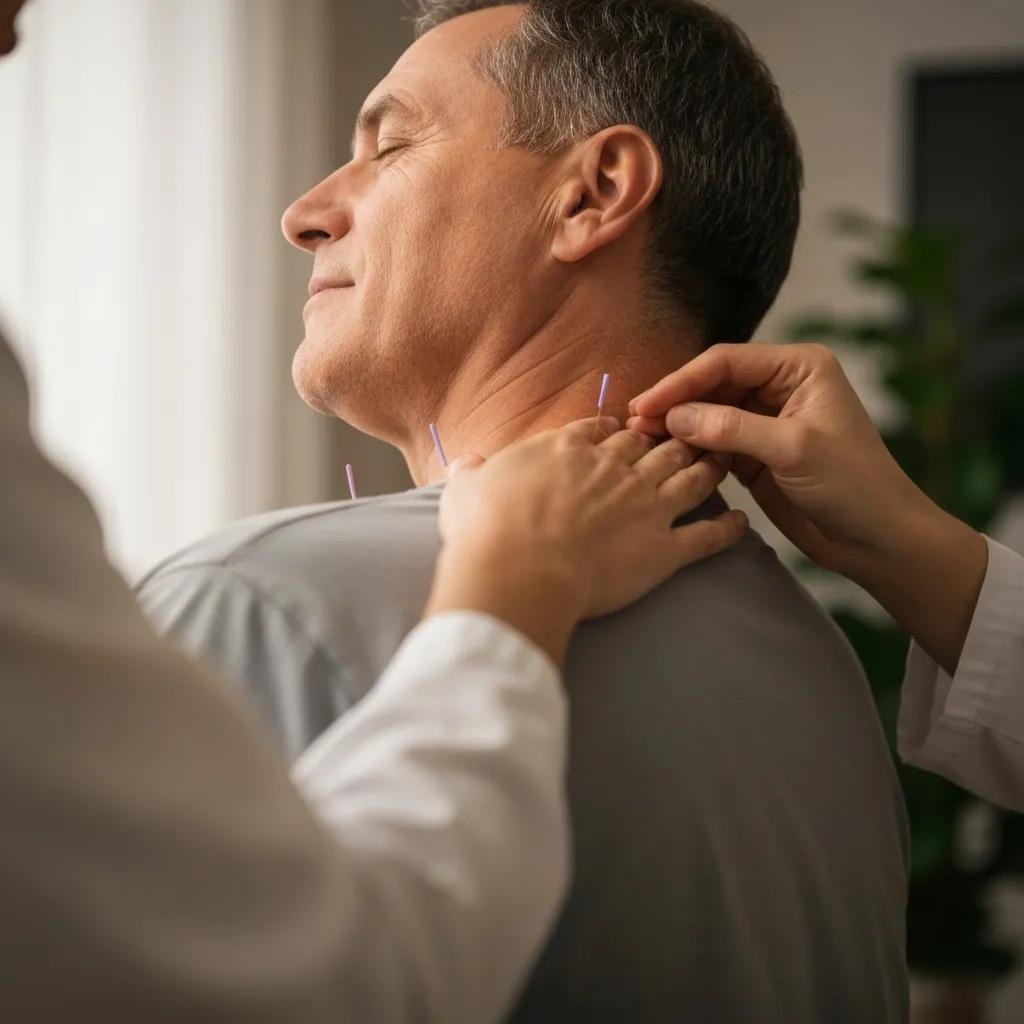
Acupuncture complements chiropractic care by altering pain pathways, reducing inflammation, and improving local circulation to support soft tissue healing. Needling relaxes tight muscles and can boost the effects of manual adjustments. It also engages neurochemical systems that down‑regulate pain signals, often producing measurable drops in pain and muscle tension. When combined purposefully with spinal adjustments and rehab exercises, acupuncture helps prevent pain flares that interrupt recovery and supports steady progress through rehabilitation.
Benefits of Acupuncture for Neck Pain and Soft Tissue Injuries
Acupuncture can provide rapid pain relief, lessen muscle tightness, and reduce tension headaches that originate in the neck. By improving local blood flow and influencing central pain processing, needling often makes range‑of‑motion work and corrective exercises more tolerable. Clinically, acupuncture is especially valuable in the acute to subacute window to interrupt the pain‑guarding‑deconditioning cycle. In Grapevine, Chiro & Acupuncture Inc. pairs acupuncture by Dr. Sunny Han, DACM, L.Ac., with chiropractic management to set coordinated treatment goals, and the clinic offers a complimentary initial consultation to discuss integrated plans.
How Acupuncture Lowers Inflammation and Aids Healing
On a physiological level, acupuncture appears to modulate inflammatory mediators, increase microvascular perfusion at the injury site, and activate descending inhibitory pain pathways — all actions that promote symptom improvement and tissue repair. Needling can reduce pro‑inflammatory signaling in injured soft tissues and decrease peripheral sensitization that amplifies pain. Patients commonly notice less swelling and muscle tension after a series of sessions, which then makes manual therapy and exercise‑based rehab more effective. Expect gradual improvements over multiple visits, with needling scheduled to complement — not replace — hands‑on care and functional retraining.
Below is a concise table showing common acupuncture approaches, their proposed effects, and the symptoms they most often target.
Combining acupuncture with chiropractic care creates a holistic plan centered on pain control, biomechanical correction, and stepwise functional recovery that patients can follow with clear expectations.
Paired acupuncture and chiropractic care can be especially helpful for managing chronic pain that began with an accident.
Acupuncture and Chiropractic for Chronic Pain Management After Accidents
Alternative therapies are commonly used for musculoskeletal pain, and many patients report benefit when these approaches are added to standard care. Methods discussed in the literature include acupuncture, tai chi, osteopathic manipulation, and chiropractic care. Acupuncture — the placement of thin needles at specific points — is increasingly used to target pain, though its exact role in chronic pain treatment remains an active area of research. Continued study will clarify how and when acupuncture provides the greatest benefit.
… comprehensive review of alternative therapies for the management of chronic pain patients: acupuncture, tai chi, osteopathic manipulative medicine, and chiropractic …, I Urits, 2021
Personalized Treatment Pathway for Car Accident Injuries at Chiro & Acupuncture Inc. in Grapevine, TX
We follow a structured, assessment‑driven process so each patient receives a customized plan that balances symptom relief, biomechanical correction, and progressive rehab milestones for returning to normal activity. Care begins with a thorough intake and physical exam to identify pain sources, motion limits, and functional goals. That information shapes a combined chiropractic and acupuncture strategy tailored to the individual. Treatment typically moves from symptom control (manual therapy and acupuncture) into controlled movement and strength retraining, with clear milestones guiding frequency and expected timelines. You can expect open communication about goals, scheduled reassessments, and home exercises to reinforce clinic progress. The sections below explain what to expect at the start of care and how plans are developed.
What to Expect During the Complimentary Initial Consultation
In the complimentary initial consultation we take a focused history of the accident, document current symptoms and limitations, and perform a targeted physical exam to identify priority areas. We discuss your goals, review any available imaging or reports, and explain non‑surgical options — chiropractic adjustments, soft tissue care, acupuncture, and rehabilitation — so you understand recommended next steps. This visit also clarifies timelines and answers questions about how care coordinates with insurance or claims processes. After the evaluation we outline a recommended plan with anticipated visit frequency, short‑term goals, and how we’ll track progress so you have a clear, informed path forward.
How Customized Chiropractic and Acupuncture Plans Are Built
Individualized plans come from exam findings, symptom severity, functional goals, and the patient’s response to early treatment. In the acute phase we prioritize pain control and regaining mobility with adjustments, soft tissue techniques, and targeted acupuncture. As symptoms improve, the plan transitions to graded strengthening, endurance work, and movement retraining to restore function. Frequency and the mix of modalities are adjusted based on objective improvements in range of motion, pain scores, and activity tolerance, creating measurable milestones for recovery. This iterative, data‑driven approach matches treatment intensity to healing stages while avoiding unnecessary care.
Patients are encouraged to schedule the complimentary initial consultation at Chiro & Acupuncture Inc. so Dr. Taeho Lee, D.C., or Dr. Sunny Han, DACM, L.Ac., can review the case and design an integrated plan to support recovery and return to daily life.
How Insurance Works for Chiropractic and Acupuncture Care After a Car Accident in Grapevine, TX
Insurance coordination after an auto accident focuses on early documentation, medical clearance, and consistent treatment records that show the medical necessity of rehabilitation services. Prioritize immediate medical evaluation if there are red flags, preserve imaging and reports, and begin conservative care to support both recovery and claims documentation. Many clinics help patients with benefits verification and claims communication; understanding the basic steps below helps ensure timely access to treatment.
Which Insurance Providers Are Accepted at Chiro & Acupuncture Inc.?
Chiro & Acupuncture Inc. works with most insurance carriers and routinely helps patients verify benefits, though coverage details vary by policy. Confirm whether chiropractic and acupuncture services are covered for your auto‑injury claim, keep copies of accident reports and medical records, and notify your adjuster about ongoing treatment to support coordination. Before your appointment, gather driver and insurance information, any police or accident reports, and existing imaging to speed verification. If you have questions about coverage, our team can assist with benefits navigation and documentation to help move your claim forward while you focus on recovery.
Steps to Navigate Auto‑Injury Insurance Claims
Managing an auto‑injury claim is easier when you stay organized and communicate proactively. Use this practical checklist after a collision:
- Report the accident to the proper authorities and to your insurer as required, and obtain a copy of any police or accident reports.
- Seek medical clearance and an initial evaluation promptly to document injuries and rule out urgent issues.
- Keep a chronological record of symptoms, treatments, invoices, and communications with insurers or adjusters.
- Provide the clinic with any claim or policy numbers and ask for help verifying benefits when needed.
The table below pairs common claim steps with typical documentation and recommended patient actions to keep a file organized.
Following these steps helps reduce administrative delays and supports medical necessity claims. Our benefits navigation services are available to clarify coverage and next steps.
Patient Outcomes and Typical Recovery Timelines for Car Accident Treatment in Grapevine
Recovery after a car crash varies by injury severity, overall health, and how quickly care begins. Combined chiropractic and acupuncture care often produces measurable improvement in weeks to months rather than years. Mild soft tissue injuries commonly show meaningful symptom reduction within 2–6 weeks with consistent care; moderate whiplash or disc irritation may require 6–12 weeks of progressive treatment; and more complex or chronic cases can take several months of coordinated rehab. Knowing these timelines helps set realistic goals and stay engaged with therapy. The sections below outline expected ranges and typical patient‑reported results.
Typical Timeline for Whiplash Recovery with Chiropractic and Acupuncture
When treated promptly, mild whiplash often improves notably within 2–6 weeks with a combination of manual therapy, targeted needling, and home exercise. Moderate injuries generally need 6–12 weeks of structured care to regain mobility and reduce pain. Recovery depends on age, prior neck problems, impact force, and how soon treatment starts — early intervention is linked to better outcomes and a lower risk of chronic symptoms. Progress moves from acute pain control and improved motion to building strength, endurance, and activity‑specific benchmarks during rehab. Staying consistent with prescribed therapy and follow‑up checks gives the best chance for full functional recovery.
What Patients Report About Pain Relief and Function
Patients often describe less pain, better sleep, increased neck and back mobility, and a quicker return to work or activities after integrated chiropractic and acupuncture care. Anonymized clinic stories commonly highlight fewer headaches, reduced reliance on pain meds, and regained ability to do daily tasks without guarding or compensatory movement. These improvements reflect biomechanical corrections, soft tissue healing, and the neuromodulatory effects of acupuncture that together enable progressive rehabilitation. If you’re in Grapevine and want a personalized recovery plan and realistic timeline, schedule the complimentary initial consultation at Chiro & Acupuncture Inc. to map goals and next steps.