

Chiropractic & Acupuncture Care in Grapevine, TX — Practical Relief for Headaches and Migraines
Headaches and migraines are common, often disabling conditions that affect daily life, work, and well-being. Research increasingly supports non‑drug approaches that can lower how often and how intensely attacks occur. This article lays out how coordinated chiropractic and acupuncture care work, which headache types tend to respond best, and how to find tailored treatment in Grapevine, TX. You’ll learn how spinal alignment and soft‑tissue release reduce nerve irritation, how acupuncture influences pain pathways and brain chemistry, and which treatment patterns target tension‑type, cervicogenic, and migraine disorders. We map clinical mechanisms to realistic expectations, typical visit frequency, and warning signs that need medical referral. Read on for focused sections on chiropractic mechanisms, acupuncture protocols, a practical headache comparison, why patients choose Chiro & Acupuncture Inc., what to expect at the complimentary consultation, and brief answers to common questions.
How Can Chiropractic Care Provide Headache Relief in Grapevine, TX?
Chiropractic care can ease headaches by restoring spinal alignment, improving joint mobility, and releasing muscle tension that irritates cervical nerve roots. Those changes reduce nociceptive input to the brain and can lower headache frequency. The connection between cervical joint function (C1–C7) and upper‑neck soft tissues (suboccipital and trapezius muscles) explains many referred pain patterns seen with tension‑type and cervicogenic headaches. In clinic, spinal adjustments, cervical mobilization, and targeted soft‑tissue therapy are used together to normalize joint mechanics and reduce protective muscle guarding — often producing measurable drops in headache intensity and days‑per‑month. Below we compare common chiropractic techniques, the anatomy they target, and the benefits patients can expect, which helps clarify which headache patterns respond best to manual care.
Different chiropractic techniques focus on specific structures and goals.
This comparison shows how each method can contribute to fewer or milder headaches and helps patients identify which manual approach fits their symptoms. Knowing technique‑specific outcomes supports smarter choices about care pathways.
Chiropractic care tends to be most helpful when headaches originate in the neck or are driven by muscle tension and joint dysfunction. Tension‑type and cervicogenic headaches commonly come from sustained neck postures, repetitive strain, or joint hypomobility and typically respond to joint‑focused and soft‑tissue work. Some people with migraine also improve when a cervicogenic component is present, because reducing neck‑based triggers can lower attack frequency or severity. Determining headache origin requires clinical testing and a trial of targeted treatment, which we outline next by headache subtype.
What Types of Headaches Does Chiropractic Treatment Address?
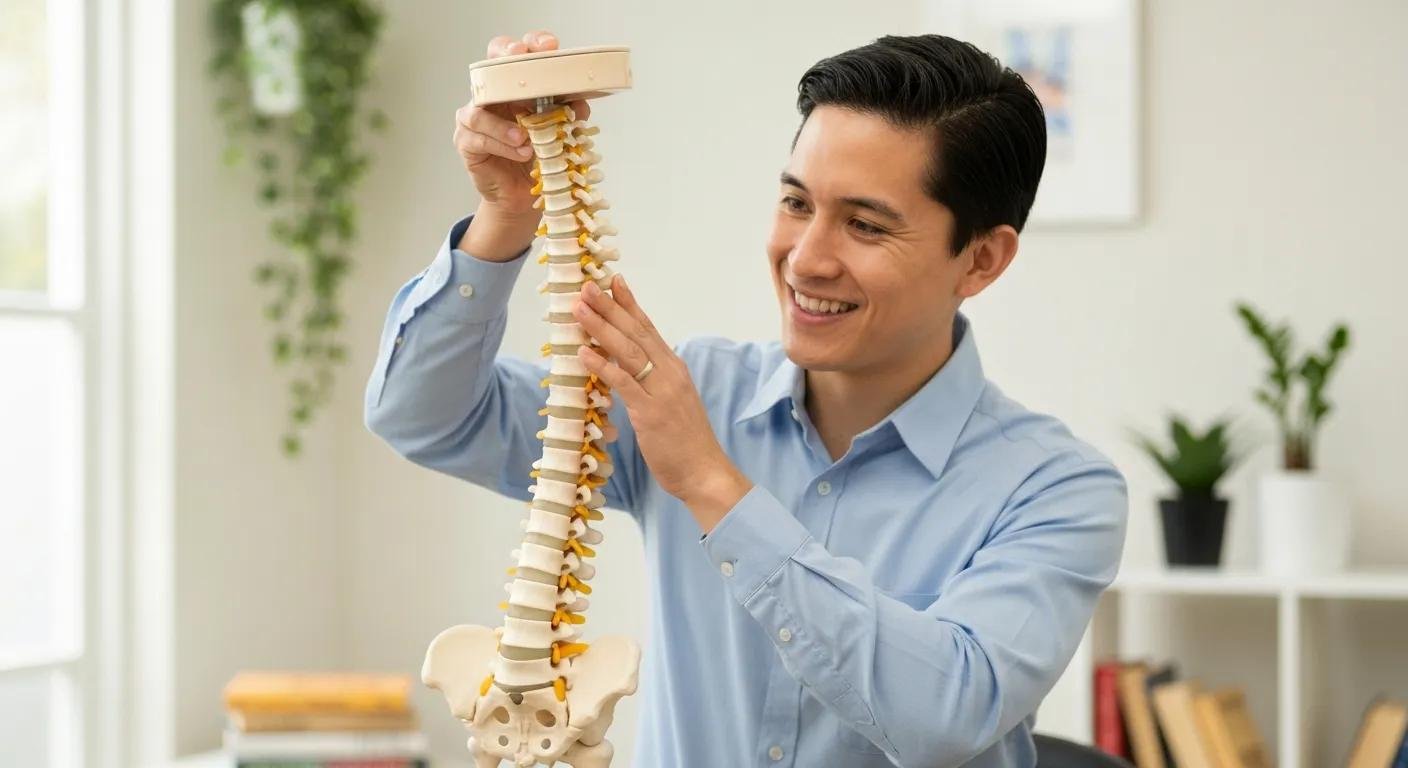
Tension‑type headaches, cervicogenic headaches, and some headaches that coexist with migraine often respond to chiropractic care because they share musculoskeletal drivers like sustained muscle tension, postural strain, and joint dysfunction. Tension‑type headaches usually present as bilateral pressure or tightness and often improve with soft‑tissue therapy and ergonomic adjustments. Cervicogenic headaches produce unilateral pain that originates in the neck and refers to the head and are often helped by restoring cervical joint motion, especially around the occiput–C2 region. When migraine coexists with neck dysfunction, treating cervical triggers can reduce attack frequency, although primary migraine typically needs a multimodal plan. Recognizing these differences helps clinicians select adjustments, mobilizations, or adjunctive therapies that target the main pain driver.
How Do Chiropractic Adjustments Reduce Neck Pain and Headache Frequency?
Adjustments reduce neck pain and headaches by mechanically restoring joint motion, breaking pain‑facilitation cycles, and modulating sensory input from the cervical spine to central pain centers. Hypomobile cervical facets or chronically tense suboccipital muscles can generate nociceptive signals that sensitize nearby neural tissue and amplify headache perception. An adjustment improves joint mechanics and lowers peripheral sensitization. Mobilizations and soft‑tissue techniques also normalize proprioceptive input, which helps recalibrate motor patterns and reduce reflexive muscle guarding. Many patients notice steady improvement over several visits, with measurable reductions in headache days often appearing after 4–8 sessions and maintenance care used as function stabilizes.
How Does Acupuncture Help with Migraine Treatment in Grapevine, TX?

Acupuncture can reduce migraine frequency and intensity by modulating pain pathways, altering neurochemical mediators, and relaxing muscles that trigger headaches. Needle stimulation affects peripheral nerve fibers and central pain networks, promoting release of endogenous opioids and helping regulate neurotransmitters such as serotonin and norepinephrine—systems implicated in migraine. In practice, protocols mix local scalp/neck points with distal regulatory points to address both immediate pain and longer‑term neurochemical balance. The table below summarizes common acupuncture approaches, typical session parameters, and expected outcomes so patients understand how modalities differ and what to expect.
Below is a practical comparison of acupuncture approaches and results.
This comparison helps patients see how point selection and modality influence results and sets realistic expectations for treatment pace. Clear differentiation supports individualized planning with a practitioner.
Protocols for chronic migraine usually begin with a concentrated series of visits to re‑establish regulation of pain pathways and autonomic balance, then transition to a tapered maintenance schedule. Clinical guidance favors more frequent sessions early on to gain control, with reductions in migraine days and less reliance on analgesics reported in people who complete a recommended course. The following section explains common point choices and why practitioners individualize selection.
Clinical evidence for acupuncture in migraine prevention is growing — several studies show benefit for episodic migraine, while results for chronic migraine and acute treatment are more limited.
Acupuncture for Migraine: Evidence and Insights
This review summarizes current evidence for acupuncture in migraine and highlights which patients may gain the most benefit. Multiple trials support acupuncture as a preventive option for episodic migraine. Small, encouraging studies look at chronic migraine prevention, but the evidence is not yet robust. Research on acupuncture for acute migraine relief remains limited. Outcomes depend on treatment frequency, duration, consistency, and acupoint selection; greater clarity about research limitations will help shape stronger future studies.
After reviewing mechanisms, many Grapevine patients want to meet local practitioners. Chiro & Acupuncture Inc. offers experienced acupuncturists who integrate point protocols with chiropractic care — see the Why Choose section for practitioner bios and details about the complimentary consultation for new patients.
Which Acupuncture Points Are Used for Migraine and Headache Relief?
Practitioners choose point groups to address pain modulation, muscle tension, and autonomic balance. Common selections include local scalp and upper‑neck points for direct tension relief and distal points such as LI4 and LV3 to support systemic regulation. Scalp points near the occiput target referral zones tied to cervicogenic triggers, while distal limb points help rebalance neurotransmitters and stress responses. Point choice is individualized based on headache phenotype, symptom pattern, and any concurrent neck dysfunction; combining local and distal sets often delivers both immediate relief and preventive benefit. Clear discussion between practitioner and patient ensures point selection matches treatment goals and observed responses.
How Often Should You Receive Acupuncture for Chronic Migraines?
Most programs start with one to two sessions per week for an initial 6–8 weeks to build cumulative regulation of pain pathways, then move to maintenance visits every 2–4 weeks as symptoms stabilize. Frequency varies by attack severity, coexisting neck pain, and early response; people with frequent attacks may need a longer initial phase and closer follow‑up. Clinical improvement is often noticeable after 4–6 sessions, with stronger preventive effects seen after 8–12 sessions. Ongoing reassessment guides tapering and coordination with chiropractic care to optimize combined results.
What Are the Common Types and Causes of Headaches and Migraines Treated in Grapevine?
Effective care starts with accurate classification, because treatment depends on cause. Tension‑type, cervicogenic, migraine, and cluster headaches have distinct symptoms and triggers. Tension‑type headaches are typically bilateral and pressure‑like; cervicogenic headaches are unilateral and linked to neck movement; migraines are pulsatile and often include nausea and light or sound sensitivity; cluster headaches are short, severe, and centered around the eye. Identifying red flags — sudden “thunderclap” pain, new neurologic deficits, fever — is essential for safe triage and prompt medical referral. The table below summarizes key symptoms and common triggers to help readers self‑identify likely headache types and see which therapies may fit.
Below is a quick‑reference comparison of headache categories.
This snapshot highlights overlapping features and guides how clinicians match symptoms to targeted chiropractic or acupuncture strategies. With clear distinctions, clinicians can tailor structural or neurochemical interventions more precisely.
To help prevent recurrence, clinicians commonly address lifestyle contributors alongside hands‑on and needle therapies.
- Poor posture and extended device use, which increase neck strain and promote cervicogenic headaches.
- Irregular sleep, dehydration, and dietary triggers that lower the threshold for migraine.
- Emotional stress and unmanaged muscle tension that maintain tension‑type headaches.
Tackling these triggers is central to lasting improvement and naturally connects to the individualized care plans described in the consultation section.
What Are the Symptoms and Triggers of Tension and Cervicogenic Headaches?
Tension‑type headaches feel like a bilateral, pressing ache that waxes with stress and poor posture, while cervicogenic headaches are usually one‑sided and provoked by neck movement or sustained positions. Common tension triggers include emotional stress and sleep disruption; cervicogenic triggers often follow neck injury, repetitive loading, or specific positional strain. Clinicians assess muscle tenderness, cervical range of motion, and joint provocation to distinguish sources, because treatment differs: soft‑tissue and ergonomic strategies for tension‑type headaches and focused cervical joint work for cervicogenic pain. Clear diagnosis enables targeted therapy and realistic timelines for recovery.
How Do Migraines Differ from Other Headache Types?
Migraines are marked by moderate‑to‑severe unilateral throbbing pain often accompanied by nausea, photophobia, phonophobia, and sometimes aura — signs that central neurovascular mechanisms are involved beyond local neck dysfunction. Unlike tension‑type or cervicogenic headaches, migraines commonly have prodromes and sensory sensitivities and may require preventive strategies that address neurochemical susceptibility. When migraine coexists with neck dysfunction, combined care can reduce frequency by treating both central and peripheral contributors, but primary migraine management may still need medical therapies or neurologic evaluation. Noting migraine‑specific red flags — changes in pattern, new aura features, or large functional impact — helps determine when neurologic referral is appropriate.
Why Choose Chiro & Acupuncture Inc. in Grapevine, TX for Headache and Migraine Care?
Chiro & Acupuncture Inc. offers a local, integrated approach that pairs hands‑on therapy and acupuncture to address the full range of headache drivers. Key differentiators include a Complimentary Initial Consultation, insurance acceptance, a blend of Eastern and Western modalities, headache/migraine specialization, five‑star patient ratings, and experienced practitioners (Dr. Taeho Lee, D.C., and Dr. Sunny Han, DACM, L.Ac.). These features communicate access, transparent billing, and combined clinical expertise to support both diagnosis and long‑term management. The clinic coordinates chiropractic adjustments and acupuncture sessions to help reduce medication reliance and improve patient‑reported outcomes. Practitioner bios below explain each provider’s role and philosophy.
Here are three primary trust signals for patients considering local care in Grapevine.
- Complimentary Initial Consultation: New patients receive an evaluation at no initial charge to review diagnosis and options.
- Accepts Insurance: The clinic accepts insurance, making multimodal care more accessible for many patients.
- Blend of Eastern and Western Medicine: Coordinated chiropractic and acupuncture treatments offer complementary mechanisms for headache relief.
Who Are Dr. Taeho Lee and Dr. Sunny Han?
Dr. Taeho Lee, D.C., and Dr. Sunny Han, DACM, L.Ac., are the clinicians who deliver the clinic’s integrated headache care. Dr. Lee specializes in spinal adjustments, cervical mobilization, and musculoskeletal assessment to identify and treat cervicogenic and tension drivers. Dr. Han focuses on acupuncture protocols and point selection to regulate pain pathways and support autonomic balance for migraine prevention and relief. Together they practice a collaborative East/West model that emphasizes patient education, measurable goals, and steady progress through coordinated care.
What Are the Benefits of Combining Eastern and Western Medicine for Headache Relief?
Combining chiropractic and acupuncture pairs complementary mechanisms: manual therapy lowers peripheral nociceptive input from the cervical spine, while acupuncture influences central pain processing and autonomic regulation. This combined approach can produce broader symptom control and often shortens the time to meaningful improvement compared with either therapy alone by addressing both structural triggers and neurochemical susceptibility. Patients commonly report reduced medication use, better sleep, and improved everyday function when care is coordinated across disciplines. Typical pathways begin with concurrent short courses of each therapy, then shift to individualized maintenance based on objective improvement and patient goals.
The combined use of chiropractic and acupuncture has been described in case reports for complex headache conditions.
Acupuncture and Spinal Manipulation for Chronic Tension-Type Headache and Migraine
This case report describes using acupuncture together with spinal manipulation to manage a patient who had chronic tension‑type headache and episodic migraine, illustrating how coordinated care can be applied in complex presentations.
What Can You Expect During Your Complimentary Initial Consultation for Headache and Migraine Relief?
The complimentary initial consultation is a focused evaluation that includes a targeted history, red‑flag screening, a musculoskeletal and brief neurologic exam, and a discussion of personalized treatment options. The visit allows symptom mapping, assessment of cervical range of motion, palpation for trigger points, and a basic neurologic screen to rule out urgent problems. After the assessment, clinicians present a care plan that may combine chiropractic adjustments and acupuncture, recommend an initial visit cadence, and review insurance and scheduling. The stepwise outline below shows what to expect and how the evaluation shapes next steps.
The consultation follows a concise step‑by‑step process.
- Intake and history: Record symptom patterns, triggers, past treatments, and screen for red flags.
- Physical exam: Musculoskeletal and neurologic testing centered on the cervical spine and related regions.
- Discussion of findings: Explain the likely headache type(s) and how chiropractic and acupuncture will target the identified drivers.
- Care plan and scheduling: Recommend initial session cadence, expected reassessment timeline, and insurance guidance.
Findings from the consultation are used to set measurable goals and choose initial modalities. The clinic’s insurance acceptance helps many patients access recommended care. After planning, practitioners outline expected timelines, common response markers, and follow‑up schedules so progress can be tracked. Clear communication during the consultation reduces uncertainty and supports shared decision‑making about combined chiropractic and acupuncture care.
How Is Your Headache or Migraine Evaluated at Chiro & Acupuncture Inc.?
Evaluation includes a structured headache history, targeted red‑flag questions, a cervical musculoskeletal exam, and a brief neurologic screen that assesses cranial nerves, motor strength, and reflexes. The clinician checks range of motion, performs joint provocation tests, and palpates suboccipital and trapezius muscles to identify cervicogenic contributors. Red flags such as sudden severe headache, focal neurologic signs, or systemic symptoms prompt immediate medical referral rather than conservative care. Findings are combined into a working diagnosis that guides whether chiropractic adjustments, acupuncture, or a coordinated course is recommended.
How Are Personalized Chiropractic and Acupuncture Care Plans Developed?
Personalized plans start with severity assessment, trigger identification, and consideration of comorbidities, then set measurable outcome goals and an initial visit cadence tailored to expected response. Many plans begin with 4–8 visits over 4–8 weeks using a mix of adjustments and acupuncture, followed by reassessment and plan modification. Plans emphasize collaborative decision‑making: patients keep symptom diaries and track function so the team can adjust frequency or add self‑care strategies. Regular reassessment keeps care efficient, evidence‑informed, and aligned with recovery goals.
What Are the Frequently Asked Questions About Chiropractic and Acupuncture for Headaches in Grapevine, TX?
Below are concise, evidence‑informed answers to common patient questions, designed for quick clarity and to guide readers toward scheduling the complimentary consultation for personalized advice.
- Can chiropractic care help with migraines and neck pain headaches? Yes — chiropractic care reliably helps cervicogenic and tension‑type headaches and can reduce migraine frequency when a neck‑related trigger is present by addressing joint dysfunction and muscle tension.
- Does insurance cover chiropractic and acupuncture treatments for headaches? Coverage varies by policy, but the clinic accepts insurance. Patients should verify benefits with their insurer and bring referrals if required.
- Are chiropractic adjustments and acupuncture safe for headache treatment? Yes — both are generally safe when provided by licensed clinicians; practitioners screen for contraindications and refer for medical care if red flags are identified.
- How long before I see improvement? Many patients notice changes within 4–8 sessions. Preventive benefits often become clearer after 8–12 sessions, depending on severity and chronicity.
These brief answers offer immediate clarity, but the complimentary initial consultation provides individualized recommendations for each patient. Scheduling that evaluation is the most reliable way to confirm whether combined chiropractic and acupuncture care will meet your goals.
Can Chiropractic Care Help with Migraines and Neck Pain Headaches?
Yes. Chiropractic care addresses cervicogenic and tension‑type headaches by correcting joint dysfunction and reducing muscle tension, which lowers peripheral nociceptive input and can decrease headache frequency. For migraine, chiropractic approaches are helpful when neck dysfunction acts as a trigger or coexisting issue; treating the cervical source often reduces overall attack burden. Clinicians watch for signs that need neurologic referral and coordinate care when medical therapies are required. This balanced approach prioritizes safety while pursuing non‑drug options.
Does Insurance Cover Chiropractic and Acupuncture Treatments for Headaches?
Insurance coverage varies by plan, but Chiro & Acupuncture Inc. accepts insurance, which can make combined care more accessible for many patients. To confirm coverage, contact your insurer to ask about chiropractic and acupuncture benefits and any referral or preauthorization requirements. The clinic’s insurance acceptance reduces paperwork barriers so clinicians can focus on treatment planning and outcomes. Verifying benefits before starting care helps patients anticipate out‑of‑pocket costs.