
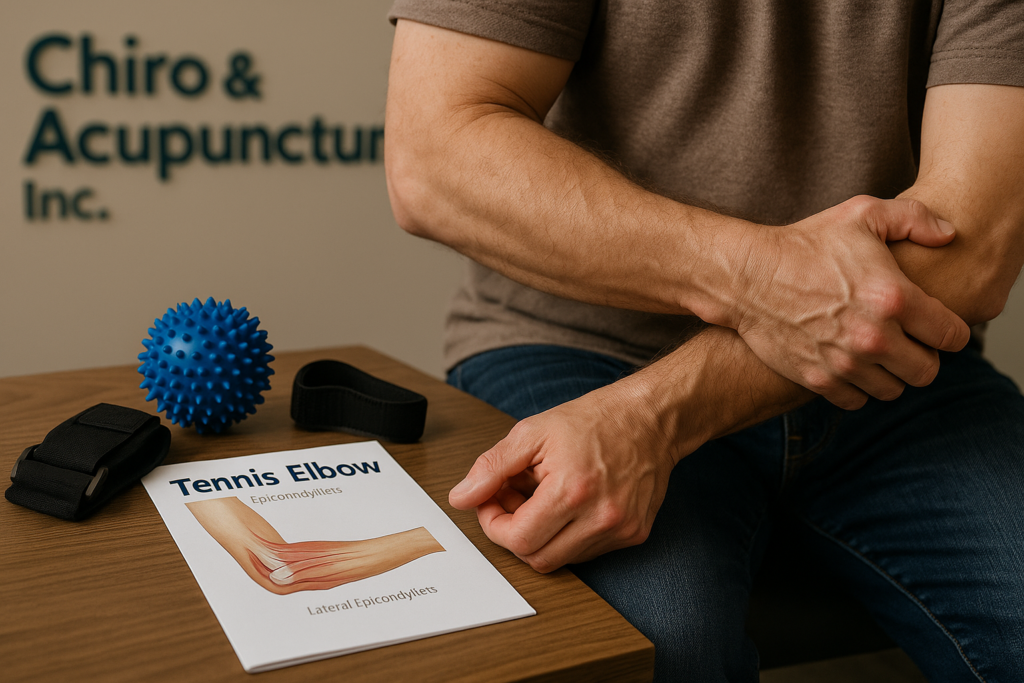
Tennis elbow can be surprisingly stubborn. Even though the name sounds sports-related, many people with this condition have never picked up a tennis racket. In Grapevine, TX, people often develop ongoing outer elbow pain from work tasks, home chores, workouts, repetitive gripping, and even ordinary habits they barely notice. When that irritation continues day after day, the tissues may not get the rest and support they need to calm down.
Also called lateral epicondylitis, tennis elbow usually involves irritation where the forearm extensor tendons attach to the outside of the elbow. These tendons help lift the wrist, stabilize the hand, and support gripping movements. When they are overloaded repeatedly, small areas of tissue irritation can build up. The result may be pain, tenderness, grip weakness, and discomfort that lingers much longer than expected.
If you have been searching for tennis elbow treatment Grapevine TX or lateral epicondylitis Grapevine TX, it helps to understand a key point: recovery is not only about what treatment you receive. It is also about identifying the daily activities that keep re-irritating the area. Conservative care often works best when it addresses both sides of the problem: reducing mechanical stress and supporting the body’s healing process.
This article explains why tennis elbow can persist, how everyday activities may keep it going, and what non-surgical, conservative options may help. This is general educational information, not a personal diagnosis. If your pain is severe, persistent, or associated with significant weakness, numbness, trauma, fever, or a visible deformity, seek prompt medical evaluation.
What Tennis Elbow Really Is
Tennis elbow is a condition that affects the tendons on the outer side of the elbow, especially those involved in wrist extension and gripping. Despite its name, it is commonly caused by repetitive strain rather than athletics alone. Office workers, mechanics, hairstylists, golfers, warehouse employees, parents lifting children, and people doing frequent yard work can all develop it.
The pain is typically felt over the bony bump on the outside of the elbow, but it may also radiate down the forearm. Some people notice discomfort when shaking hands, lifting a coffee mug, opening jars, using a screwdriver, typing for long periods, carrying grocery bags, or gripping a steering wheel.
Although the term “-itis” suggests inflammation, long-standing tendon pain often involves more than simple inflammation. Repetitive overload can contribute to small-scale tissue breakdown, reduced tendon resilience, and pain with activities that were once easy. That is one reason tennis elbow can become chronic if the underlying strain is not addressed.
Why Everyday Activities Can Keep Tennis Elbow Going
Many people assume their elbow should heal if they are no longer playing sports or doing one obvious aggravating task. But tennis elbow often lingers because the elbow is involved in far more daily movements than most people realize.
Repeated Gripping
Gripping activates the forearm muscles that attach near the irritated tendon. This includes carrying shopping bags, lifting pans, holding tools, using hand weights, squeezing cleaning products, and gripping a phone tightly. Even light gripping done frequently can prevent the tissue from settling down.
Wrist Extension During Routine Tasks
Activities that hold the wrist slightly extended can stress the tendon. Common examples include typing with poor ergonomics, using a mouse for long periods, painting, cooking prep, hairstyling, and lifting objects with the palm facing down.
Awkward Lifting Mechanics
Lifting with the elbow straight and wrist bent can increase strain on the outside elbow. This often happens while picking up boxes, carrying laundry baskets, lifting children, moving furniture, or unloading groceries from the trunk.

Tool and Device Use
Tools that require repetitive twisting or gripping are common triggers. Screwdrivers, drills, pruners, hammers, pickleball paddles, and even frequent smartphone use can contribute. The issue is not always force alone; repetition matters too.
Not Enough Recovery Time
Tendons generally respond more slowly than muscles. A person may feel “almost better,” resume the same workload too quickly, and flare the area again. This cycle can drag on for weeks or months if the tendon is repeatedly challenged before it has regained tolerance.
Compensation From Nearby Areas
Shoulder weakness, poor posture, neck tension, and restricted wrist or upper back movement can shift extra load into the elbow. In some cases, the elbow becomes the site of pain even though broader movement patterns are part of the problem.
Common Signs and Symptoms
Tennis elbow symptoms can vary in intensity, but classic features often include:
- Pain or tenderness on the outside of the elbow
- Discomfort when gripping, lifting, or twisting
- Forearm aching after repetitive use
- Reduced grip strength
- Pain when lifting a cup, opening a door, or shaking hands
- Symptoms that worsen with work tasks, sports, or home projects
Because outer elbow pain can also come from nerve irritation, referred pain, ligament strain, or joint issues, an accurate evaluation matters, especially if symptoms are not improving.
When Conservative Care Is Often Considered
Conservative care is commonly the first approach for many cases of tennis elbow, particularly when there is no major trauma, fracture, or significant structural injury suspected. The goal is usually to reduce aggravation, improve tissue tolerance, support healing, and restore function gradually.
If you are looking for natural elbow pain relief Grapevine TX, conservative care may include a combination of activity modification, hands-on care, targeted exercise, soft tissue treatment, and regenerative-supportive technologies such as StemWave therapy. The exact plan should be individualized to the person’s symptoms, work demands, and stage of irritation.
Helpful Conservative Approaches for Tennis Elbow
1. Activity Modification
This does not necessarily mean complete rest. In many cases, it means temporarily reducing or adjusting the specific movements that trigger pain. Examples include:
- Using two hands to lift heavier items
- Keeping the wrist in a more neutral position during work
- Reducing repetitive gripping where possible
- Taking short breaks during prolonged computer or tool use
- Switching to ergonomic handles or lighter equipment
The purpose is to lower repeated tendon strain without becoming completely inactive.
2. Therapeutic Exercise
Exercise is often an important part of conservative care, but it should be timed and dosed appropriately. In the early stage, overly aggressive strengthening may aggravate symptoms. Later, gradual loading may help the tendon become more tolerant. A clinician may guide stretching, forearm conditioning, grip progression, and shoulder or posture work based on the individual presentation.
3. Manual and Soft Tissue Approaches
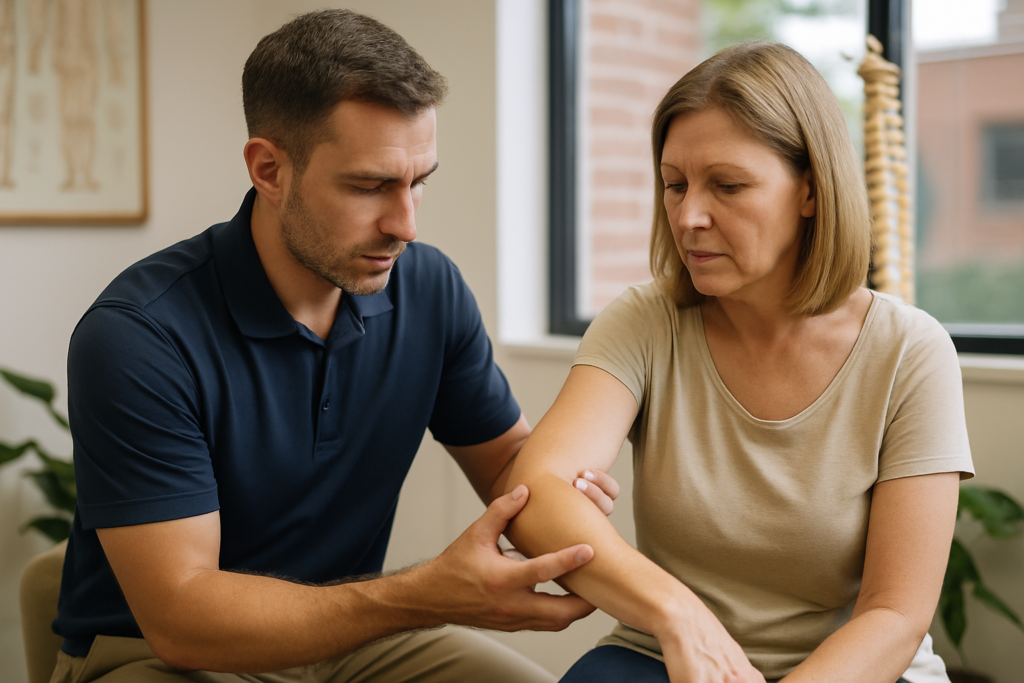
Hands-on treatment may be used to address muscle tension, movement restrictions, and related areas that can influence elbow stress, such as the wrist, shoulder, and upper back. For some patients, this can help improve comfort and support better mechanics during daily activities.
4. Bracing or Supportive Strategies
Some people benefit from a counterforce strap, wrist support, taping, or simple changes in how they grip and lift. These tools do not fix the issue by themselves, but they may reduce irritation while the tendon is being managed more comprehensively.
5. Postural and Ergonomic Changes
Desk setup, mouse positioning, keyboard height, repetitive workstation layout, and lifting technique can all matter. If symptoms are tied to employment or home routines, even small mechanical changes can make a meaningful difference over time.
6. StemWave Therapy
At Chiro & Acupuncture Inc., modern technology such as StemWave therapy is used alongside traditional techniques as part of a personalized care approach. For those searching for StemWave for tennis elbow Grapevine TX, StemWave is described as using sound waves to stimulate tissue regeneration and reduce inflammation. It is used for conditions such as tendonitis and other painful musculoskeletal complaints.
For tennis elbow, this kind of non-invasive sound wave therapy may be considered as part of a broader conservative plan designed to support recovery and reduce persistent irritation. Individual suitability depends on the person’s symptoms, history, and clinical findings, so an in-person assessment is important.
Comparison of Common Conservative Approaches
| Approach | Main Goal | May Help With | Important Consideration |
|---|---|---|---|
| Activity modification | Reduce repeated tendon irritation | Pain flares during work or home tasks | Changes need to be specific to your triggers |
| Therapeutic exercise | Improve tissue tolerance and function | Weakness, recurring pain, limited resilience | Progression should match symptom stage |
| Manual care | Address soft tissue and movement restrictions | Muscle tension and related mechanical stress | Usually works best as part of a larger plan |
| Bracing or taping | Temporarily reduce strain during activity | Pain with gripping or lifting | Supportive only, not a stand-alone solution |
| StemWave therapy | Support tissue healing response and reduce inflammation | Persistent tendon-related pain | Best considered after professional evaluation |
Why a Personalized Plan Matters
Two people can both have lateral epicondylitis and still need different care plans. One person may be a desk worker with poor mouse ergonomics and mild symptoms. Another may be a tradesperson with repetitive lifting demands and more advanced irritation. Their triggers, tissue tolerance, and recovery needs can differ significantly.
That is why a personalized plan matters. At Chiro & Acupuncture Inc., treatments are described as highly personalized and focused on each patient’s unique pain issues. This can be especially relevant for stubborn elbow pain, where the best results often come from identifying the exact daily factors contributing to the problem rather than applying a one-size-fits-all approach.
What People Often Do That Slows Recovery
Even motivated patients can unknowingly keep tennis elbow going. Common mistakes include:
- Trying to push through sharp pain during gripping or lifting
- Stopping pain-provoking sports but ignoring repetitive work tasks
- Returning to heavy activity too quickly after early improvement
- Doing strengthening exercises that are too intense too soon
- Focusing only on the elbow and ignoring posture, wrist mechanics, or shoulder function
- Assuming all elbow pain is the same and self-treating without an evaluation
Recognizing these patterns early may help prevent a short-term issue from becoming a long-term limitation.
When to Seek Prompt Medical Attention
While many cases of tennis elbow are not emergencies, some symptoms need timely evaluation. Seek urgent medical care if you have:
- Sudden severe pain after a fall or direct trauma
- Visible deformity, major swelling, or inability to move the arm
- Progressive numbness or significant weakness in the hand or arm
- Signs of infection such as fever, redness, warmth, or rapid swelling
- Chest pain, jaw pain, or other symptoms that could indicate a non-musculoskeletal emergency
You should also consult a qualified clinician if your elbow pain is persisting, repeatedly returning, or interfering with sleep, work, or basic activities.
Conservative Care and Long-Term Function
For many people, the goal is not only reducing pain today but improving how the arm handles everyday demands over time. Long-term function usually depends on several factors working together:
- Lowering repeated aggravation
- Improving movement patterns
- Gradually rebuilding tendon capacity
- Supporting healing with appropriate conservative therapies
- Addressing contributing areas such as posture, shoulder mechanics, and forearm overuse
This is why conservative care can be more than symptom management. When structured well, it may help people return to work tasks, exercise, home projects, and hobbies with better tolerance and less recurring irritation.
Tennis Elbow in Grapevine, TX: A Practical Takeaway
If you are dealing with outer elbow pain in Grapevine, TX, it is worth remembering that tennis elbow is often driven as much by repetitive daily habits as by sports. Gripping, lifting, typing, tool use, and awkward wrist positions can quietly keep the tissue irritated, even when you think you are taking it easy.
That is why effective tennis elbow treatment Grapevine TX often starts with understanding the pattern behind the pain. Conservative care may include activity modification, therapeutic exercise, manual approaches, ergonomic correction, supportive bracing, and options such as StemWave for tennis elbow Grapevine TX as part of a personalized plan.
Whether you are searching for help with lateral epicondylitis Grapevine TX or exploring natural elbow pain relief Grapevine TX, the most useful next step is a proper evaluation to determine what is actually driving your symptoms. With the right conservative strategy, many people can reduce irritation, improve function, and move toward more lasting relief.
Conclusion
Tennis elbow can seem simple at first, but persistent cases are often influenced by a chain of everyday stresses that keep overloading the tendon. The condition is not limited to athletes, and it rarely improves as quickly as people hope when repetitive strain continues in the background. Understanding those hidden aggravators is an important part of recovery.
Conservative care may help by reducing strain, improving mechanics, and supporting the body’s healing response through individualized treatment. If elbow pain has become a recurring problem, a qualified clinician can help determine whether tennis elbow is truly the cause, identify contributing habits, and guide a plan that fits your daily life and functional goals.
[don_ai_article_cta]