
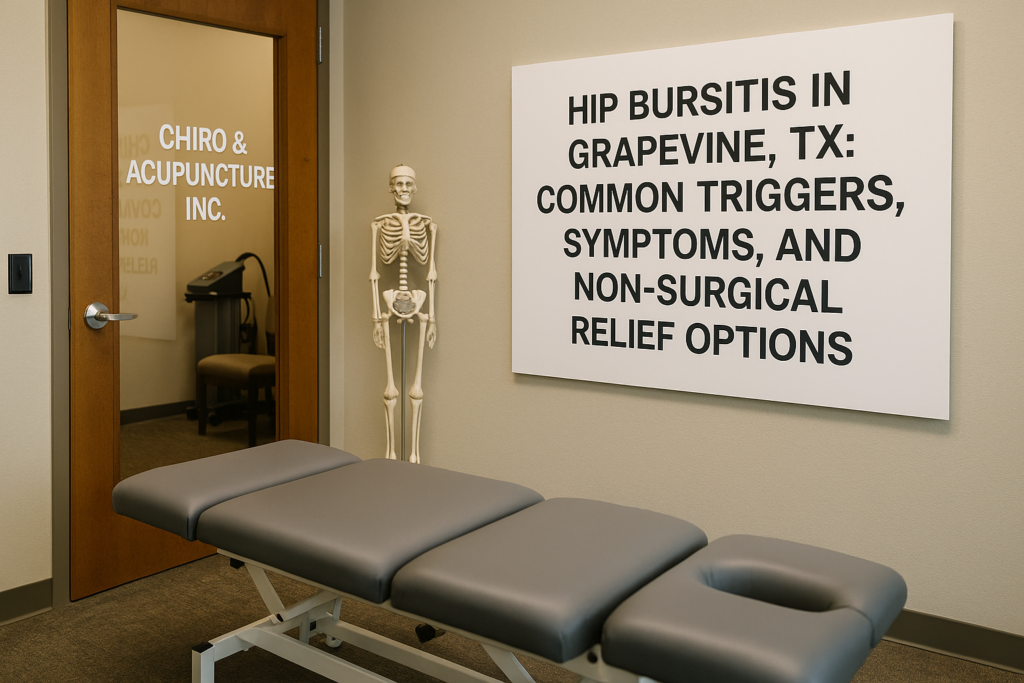
Outer hip pain can make everyday activities feel harder than they should. Walking through the neighborhood, climbing stairs, getting up from a chair, or trying to sleep on one side can all become uncomfortable when the tissues around the hip are irritated. One common cause of this type of pain is hip bursitis, a condition that often affects the outside of the hip and can interfere with work, exercise, and normal movement.
For people searching for hip bursitis treatment in Grapevine, TX, it helps to understand what this condition is, what tends to trigger it, and which non-surgical options may support recovery. Although many cases improve with conservative care, not every case of outer hip pain is actually bursitis. Several hip and lower back issues can feel similar, which is why an accurate evaluation matters.
This article explains the basics of hip bursitis, common symptoms, likely causes, and practical non-surgical relief strategies. It is intended for general education only and should not replace a personalized diagnosis or treatment plan from a qualified clinician.
What Is Hip Bursitis?
A bursa is a small fluid-filled sac that helps reduce friction between bones and nearby soft tissues such as tendons and muscles. In the hip, bursae cushion areas that experience repeated movement and pressure. When one of these bursae becomes irritated or inflamed, the result is bursitis.
The term “hip bursitis” is often used to describe pain on the outer side of the hip, especially around the bony point called the greater trochanter. Many clinicians now recognize that some cases labeled as bursitis also involve irritation of the gluteal tendons or nearby soft tissues. Even so, the phrase remains commonly used by patients looking for answers about persistent lateral hip pain.
People dealing with outer hip pain in Grapevine, TX often describe a deep ache, tenderness over the side of the hip, or pain that gets worse with prolonged standing, walking, or lying on the affected side.
Where the Pain Is Usually Felt
Hip bursitis most often causes discomfort on the outside of the hip rather than in the groin. That detail can be useful because groin pain more commonly points to certain joint-related hip problems, while lateral pain may suggest bursitis or tendon irritation.
You may notice pain:
- Directly over the outer hip
- Along the upper outer thigh
- When rolling onto the affected side in bed
- After walking, climbing stairs, or standing for long periods
- When rising from a seated position after staying still for a while
Some people feel a sharp pain at first that later settles into a persistent ache. Others mostly notice tenderness when pressing on the side of the hip.
Common Triggers of Hip Bursitis
Hip bursitis is usually not caused by one dramatic event alone. In many cases, it develops gradually from repeated irritation, movement imbalance, or stress on the tissues around the hip. Common triggers include the following.
Repetitive Overuse
Walking long distances, running, cycling, stair climbing, and standing for extended periods can place ongoing stress on the outer hip. When muscles and tendons repeatedly pull across the area, the bursa can become irritated.
Changes in Activity Level
Suddenly increasing exercise volume, starting a new fitness routine, or returning to activity too quickly after time off can overload the hip before the tissues are ready.
Muscle Imbalance and Weakness
Weakness in the gluteal muscles, poor pelvic control, or altered movement patterns can increase pressure on the outer hip. This is one reason why treatment often involves more than simply resting.
Poor Biomechanics
Leg length differences, foot mechanics, abnormal gait patterns, or reduced spinal and pelvic mobility may contribute to excessive strain around the hip.
Direct Pressure
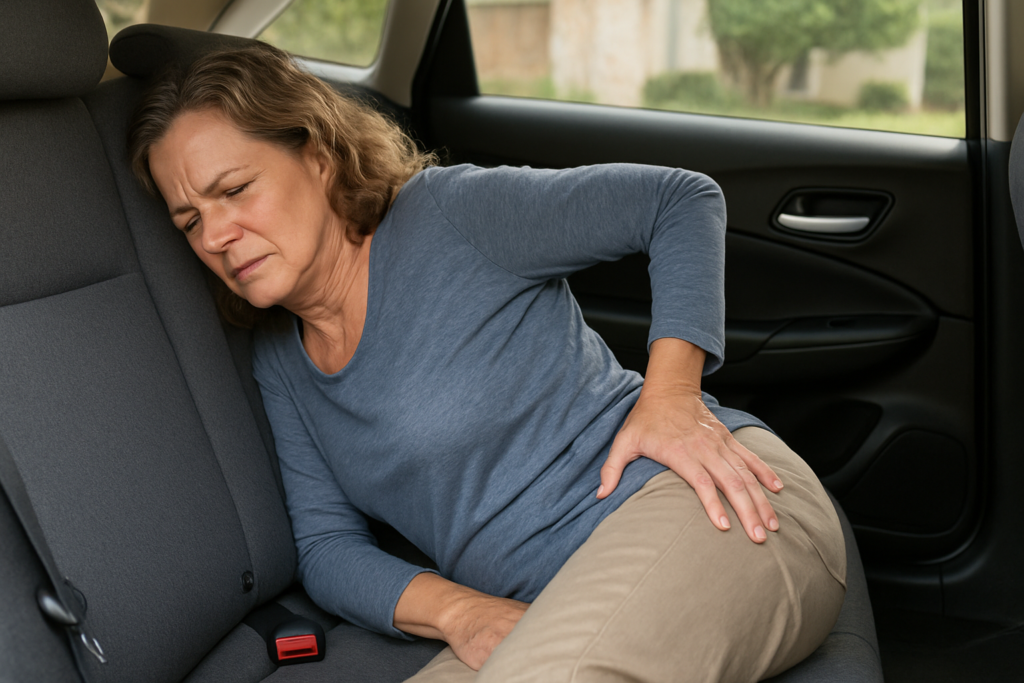
Lying on one side for long periods or repeated contact to the outer hip can aggravate the bursa and surrounding tissue. For some people, even firm car seats or prolonged side sleeping can become irritating.
Injury or Trauma
A fall onto the side of the hip, a sports-related impact, or an awkward movement can trigger inflammation and pain.
Coexisting Conditions
Arthritis, lower back problems, tendon irritation, or changes in the way someone moves because of knee or foot pain can all influence how the hip is loaded. In some cases, what seems like hip bursitis may actually be referred pain from the lower back.
Symptoms That May Suggest Hip Bursitis
Symptoms vary from person to person, but several patterns are common. You may notice:
- Pain or tenderness on the outside of the hip
- Discomfort when lying on the affected side
- Pain that worsens with walking, stairs, squatting, or prolonged standing
- Aching that spreads down the outer thigh
- Stiffness after sitting for a while
- Pain when pressing on the bony outer part of the hip
Some people also report that the area feels more irritated at the end of the day or after repetitive activity. Others have pain that flares during exercise and lingers afterward.
When Outer Hip Pain May Be Something Else
Not all hip pain comes from bursitis. Because symptoms can overlap, a careful assessment is important. Other conditions that can mimic or accompany hip bursitis include:
- Gluteal tendinopathy
- Hip osteoarthritis
- Labral irritation
- Lower back nerve irritation
- Sciatica
- Sacroiliac joint dysfunction
- Muscle strains around the hip
This matters because treatment should match the actual source of pain. For example, a person searching for acupuncture for hip pain in Grapevine, TX or chiropractic for hip bursitis in Grapevine, TX may benefit from conservative care, but the right strategy depends on whether the problem is inflammatory, mechanical, nerve-related, tendon-related, or a combination of these.
Hip Bursitis vs. Other Common Causes of Hip Pain
| Condition | Common Pain Location | Typical Pattern |
|---|---|---|
| Hip bursitis | Outer side of the hip | Tenderness, pain lying on that side, worse with walking or stairs |
| Hip osteoarthritis | Groin, front of hip, sometimes thigh | Stiffness, reduced joint motion, pain with prolonged activity |
| Sciatica | Buttock, back of leg, sometimes outer hip | Radiating pain, tingling, numbness, possible back involvement |
| Gluteal tendon irritation | Outer hip | Pain with single-leg standing, walking, stairs, or side-lying |
This table is only a general guide. A qualified clinician can help determine which structure is most likely involved.
How Hip Bursitis Is Typically Evaluated
An evaluation usually begins with a health history and physical examination. A clinician may ask when the pain started, what makes it worse, whether it spreads down the leg, and whether there is any back pain, weakness, or numbness.
The physical exam may include:
- Checking for tenderness over the outer hip
- Observing how you walk
- Testing hip range of motion
- Assessing strength in the hips and core
- Looking for signs that the lower back or nerves may be involved
Imaging is not always required right away, especially when symptoms are straightforward and there are no red flags. However, imaging may be considered if symptoms are severe, persistent, traumatic, or not responding as expected.
Non-Surgical Relief Options for Hip Bursitis
Many people improve without surgery. Conservative care often focuses on reducing irritation, improving movement mechanics, and helping the tissues tolerate activity again. For those looking for hip bursitis treatment in Grapevine, TX, the following non-surgical options are commonly considered.
Activity Modification
This does not necessarily mean complete rest. In many cases, total inactivity can lead to stiffness and deconditioning. Instead, it often helps to temporarily reduce activities that strongly aggravate the outer hip while maintaining tolerable movement. Shorter walks, avoiding repeated stairs, and changing positions more often may help during a flare.
Ice or Heat
Ice may be helpful after activity or during an irritated phase, while heat sometimes feels better for muscle tightness around the hip. People respond differently, so it can be useful to note which option reduces discomfort without increasing symptoms.
Targeted Exercise and Rehabilitation
Strengthening and movement retraining are often central parts of recovery. A rehab plan may focus on the gluteal muscles, hips, pelvis, and core to improve stability and reduce excess strain on the outer hip. Exercises should be progressed carefully, since overloading the tissue too early can prolong symptoms.
Chiropractic Care and Movement Assessment
When biomechanics are contributing to hip irritation, chiropractic care may be part of a broader conservative plan. Chiropractic for hip bursitis in Grapevine, TX may include evaluation of spinal, pelvic, and lower-extremity movement patterns to identify factors that could be increasing stress on the hip. Manual techniques, mobility work, and exercise recommendations may help improve function, depending on the person’s presentation.
It is important to note that no single manual therapy approach is a one-size-fits-all answer. The best results usually come from combining symptom relief with movement correction and activity guidance.
Acupuncture for Pain Modulation
Acupuncture is commonly used as a non-surgical option for musculoskeletal pain. For some people, acupuncture for hip pain in Grapevine, TX may help reduce pain sensitivity, ease surrounding muscle tension, and support comfort during recovery. It is generally considered as part of a personalized care plan rather than a stand-alone cure for every case.
As with other conservative methods, response varies by individual and by the underlying source of pain.
Soft Tissue and Manual Therapies
Hands-on care may help address tension in surrounding muscles and improve mobility in related areas. While direct pressure over an inflamed bursa may not always feel good, surrounding structures such as the glutes, low back, and thigh may benefit from appropriate manual techniques.
Shockwave or Sound Wave-Based Therapies
Some clinics use modern regenerative-focused technologies as part of conservative care. Chiro & Acupuncture Inc. offers Stemwave therapy, which uses sound waves to stimulate tissue regeneration and reduce inflammation. Therapies of this type may be considered for certain painful soft-tissue conditions as part of a broader non-surgical plan, especially when the goal is to support healing while addressing chronic irritation patterns.
Whether this type of therapy is appropriate depends on the diagnosis, symptom pattern, tissue involved, and the clinician’s assessment.
Posture and Sleep Position Changes
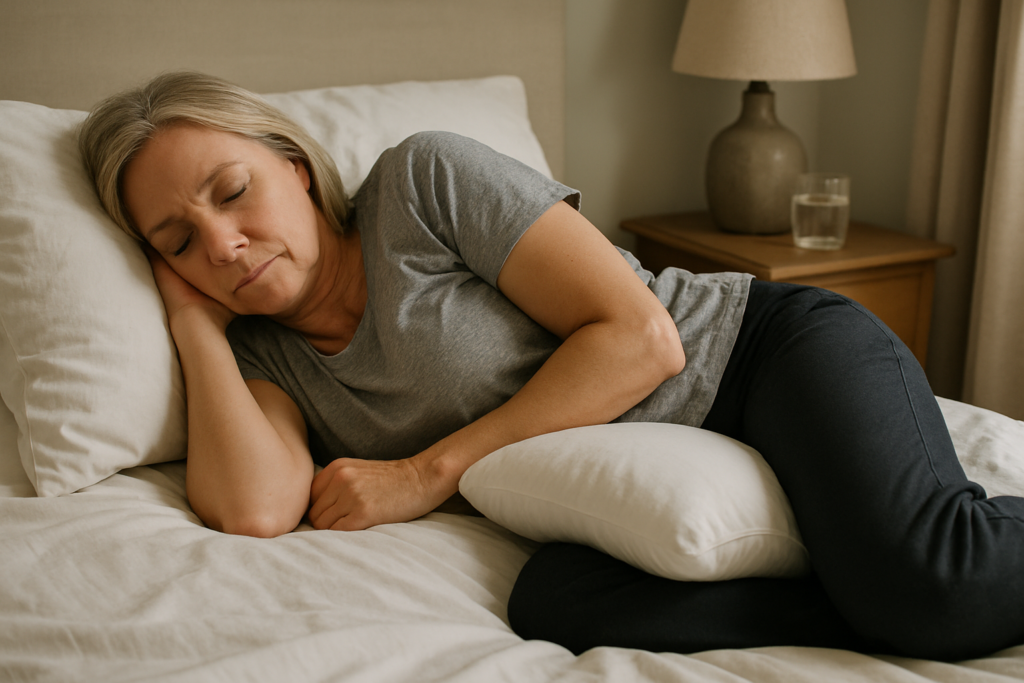
Simple changes can sometimes make a noticeable difference. Avoiding prolonged pressure on the painful side, placing a pillow between the knees when side sleeping, or adjusting sitting positions may reduce ongoing irritation.
Footwear and Surface Considerations
Unsupportive shoes, long hours on hard floors, or a sudden jump in walking volume can aggravate outer hip pain. Improving support and modifying load may reduce stress on the hip during recovery.
What to Avoid During a Flare
During a painful period, certain habits may keep symptoms active longer. These often include:
- Pushing through sharp pain during exercise
- Sleeping directly on the painful side
- Sudden spikes in walking, running, or stair use
- Repeated deep hip movements that aggravate symptoms
- Ignoring contributing lower back, knee, or foot issues
The goal is not to fear movement. Rather, it is to find the level of activity the hip can tolerate while recovery is underway.
Why Personalized Care Matters
Hip bursitis can sound simple, but persistent outer hip pain is often influenced by more than one factor. One person may mainly need load reduction and strengthening. Another may have a combination of tendon irritation, pelvic mechanics, and referred pain from the back. Someone else may have arthritis or nerve irritation that changes the treatment approach.
This is why personalized conservative care can be valuable. Chiro & Acupuncture Inc. emphasizes highly individualized treatment plans designed to target each patient’s unique pain concerns. In a setting that combines traditional techniques with modern technology, clinicians can tailor care based on symptoms, movement patterns, and response to treatment over time.
When to Seek Prompt Medical Attention
Although many cases of outer hip pain are not emergencies, certain symptoms should not be ignored. Seek prompt medical evaluation if you have:
- Severe pain after a fall or direct trauma
- Inability to bear weight
- Fever, redness, or warmth around the hip
- Rapid swelling
- Numbness, significant weakness, or pain shooting below the knee
- Unexplained weight loss or night pain that is persistent and unusual
These signs may point to something more serious than uncomplicated bursitis and require timely assessment.
What Recovery May Look Like
Recovery time varies. Mild irritation may improve relatively quickly with activity changes and appropriate care, while more persistent cases can take longer, especially if symptoms have been present for months or if tendon involvement is part of the picture.
Improvement often happens in stages:
- Reducing irritation and pain
- Restoring comfortable movement
- Improving strength and stability
- Gradually returning to full activity with better load tolerance
Setbacks can happen, especially when activity is resumed too aggressively. A gradual progression is usually more effective than trying to rush the process.
Practical Steps for People in Grapevine, TX With Outer Hip Pain
If you are dealing with persistent outer hip pain in Grapevine, TX, a practical starting point is to monitor patterns. Notice whether pain is worse with side sleeping, prolonged standing, stairs, long walks, or after sitting. Try to reduce direct pressure on the affected side and avoid large spikes in physical activity. Supportive shoes, short-term activity modification, and movement guidance may help while you seek a proper evaluation.
If symptoms continue, it may be time to look into conservative options such as rehabilitation exercise, acupuncture for hip pain in Grapevine, TX, or chiropractic for hip bursitis in Grapevine, TX, depending on the underlying cause. The key is making sure the treatment matches the actual driver of your pain.
Conclusion
Hip bursitis is a common explanation for pain on the outside of the hip, but the term can also overlap with tendon irritation and other movement-related problems. Typical symptoms include tenderness over the outer hip, pain when lying on that side, and discomfort with walking, stairs, or prolonged standing. Repetitive overuse, muscle imbalance, biomechanical stress, trauma, and coexisting joint or back issues can all play a role.
For many people, non-surgical care is the first and most appropriate step. Activity modification, targeted exercise, manual care, acupuncture, and selected technology-based therapies may all be useful depending on the individual case. If you are exploring hip bursitis treatment in Grapevine, TX, the most important step is getting a thoughtful evaluation so the source of pain is clearly identified and the treatment plan is tailored to your needs.
Because outer hip pain can sometimes mimic arthritis, tendon problems, or nerve-related conditions, professional guidance is important, especially if symptoms persist or red-flag signs are present. With the right conservative approach, many people can reduce pain, improve function, and return to daily activities with greater comfort.
[don_ai_article_cta]