Back pain can interfere with almost every part of daily life, from sitting at a desk to sleeping comfortably and staying active. When people start looking for non-surgical, drug-free care, two options often come up first: acupuncture and chiropractic treatment. If you are comparing acupuncture vs chiropractic for back pain, the best choice often depends on the type of pain you have, how your symptoms started, and what your body seems to need most.
Some people feel sharp pain after lifting something heavy. Others deal with stiffness that builds slowly over time from long commutes, repetitive work, poor posture, or old injuries. In many cases, there is not a single right answer for everyone. Instead, it helps to understand how each approach works, which symptoms may respond best, and what important factors to keep in mind as you explore back pain treatment options Grapevine residents and Texas patients often consider when seeking conservative care.
This guide explains the main differences between acupuncture and chiropractic care, how each may support pain relief and function, and how to think through chiropractic or acupuncture for lower back pain in a practical way.
Understanding Back Pain Before Choosing a Treatment
Back pain is a broad term. It may involve the lower back, mid-back, upper back, or pain that travels into the hips or legs. The source can vary as well. Muscles, joints, ligaments, spinal movement patterns, and nerve irritation can all contribute.
Common examples include:
- Muscle strain after lifting, sports, or overuse
- Joint stiffness related to posture or limited mobility
- Tension that builds from stress and prolonged sitting
- Pain that flares with twisting, bending, or standing up
- Lower back discomfort with tight hips or hamstrings
- Pain that radiates into the buttock or leg
Because symptoms can overlap, many people searching for natural back pain relief TX options are not sure where to begin. A person with mostly muscular tension may respond differently than someone whose pain worsens with spinal compression or restricted joint motion. That is why symptom patterns matter when comparing treatment styles.
What Acupuncture Is and How It May Help Back Pain
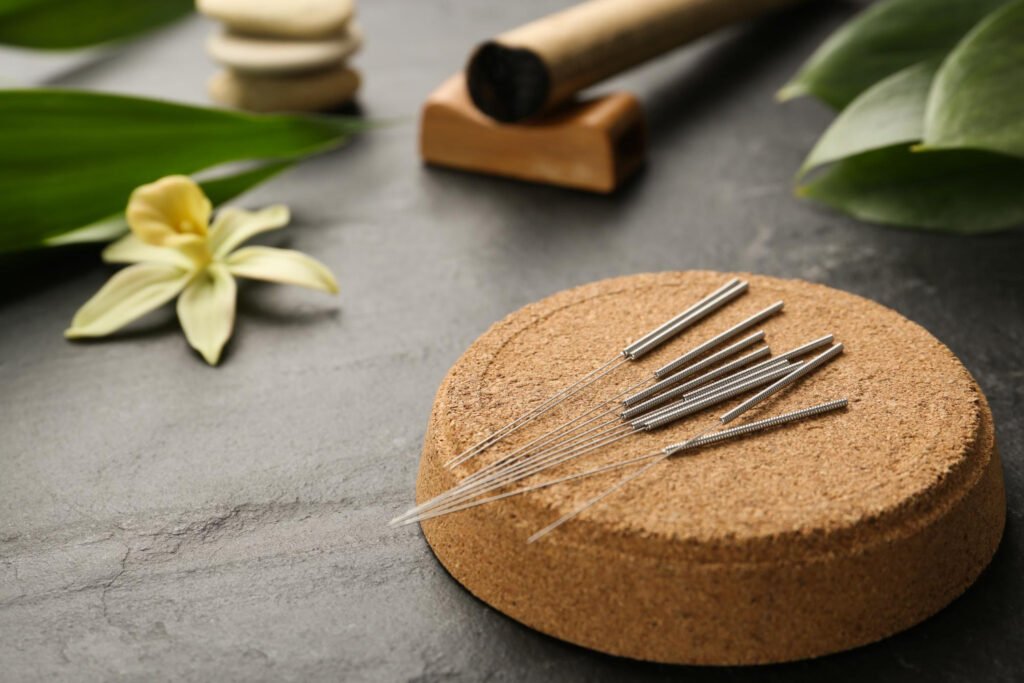
Acupuncture is a technique rooted in traditional East Asian medicine that uses very thin needles placed at specific points on the body. In modern clinical settings, acupuncture is commonly used to support pain management, reduce muscle tension, and encourage relaxation.
From a general pain-relief perspective, acupuncture may help by:
- Encouraging the body’s natural pain-regulating responses
- Reducing tension in tight or overworked muscles
- Supporting circulation in affected areas
- Helping calm the nervous system
- Improving the sense of overall physical relaxation
Many people describe acupuncture sessions as calming. Some feel relief immediately, while others notice gradual changes over several visits. The experience is often very different from chiropractic treatment because there is usually less body movement involved during the session.
Symptoms That May Make Acupuncture Worth Considering
Acupuncture may be a reasonable option for people whose back pain includes a strong muscle-tension or stress-related component. It may also appeal to people who want a gentler, lower-force approach.
Examples include:
- Dull, aching lower back pain
- Tightness that worsens after stress or poor sleep
- Muscle knots in the back, shoulders, or hips
- Back pain linked with tension headaches or neck tightness
- Stiffness that feels better with heat and rest
- Soreness that does not seem tied to one specific joint movement
For some people deciding between chiropractic or acupuncture for lower back pain, acupuncture stands out when the main complaint is persistent tension rather than the feeling that the back is “out of alignment” or restricted in movement.
What Chiropractic Care Is and How It May Help Back Pain
Chiropractic care focuses on the musculoskeletal and nervous systems, especially how the spine and joints move. Chiropractors commonly assess posture, spinal mobility, joint restriction, muscle imbalance, and movement patterns that may contribute to pain.
Treatment may include spinal adjustments, manual therapy, mobilization, soft tissue work, stretching recommendations, and exercise guidance. The goal is often to improve movement, reduce irritation, and support better function.
Chiropractic care may help back pain by:
- Improving joint mobility
- Reducing mechanical stress in the spine
- Addressing movement restrictions
- Supporting posture and body mechanics
- Helping patients move more comfortably during daily activities
Many people seek chiropractic care when their pain feels linked to position, movement, or a recent physical strain. It can be especially appealing when the back feels stuck, uneven, or sharply aggravated by bending, standing, or twisting.
Symptoms That May Make Chiropractic Care Worth Considering
Chiropractic care may make sense when back pain has a stronger mechanical pattern. That means symptoms change clearly with posture or movement.
Examples include:
- Pain after lifting, bending, or twisting
- Stiffness when getting up from a chair
- Reduced range of motion in the lower back
- Back pain that feels worse after long periods of sitting
- Discomfort linked to posture or repetitive strain
- A feeling that one side of the back or pelvis is moving differently than the other
In the discussion of acupuncture vs chiropractic for back pain, chiropractic care is often chosen when restoring movement and addressing spinal mechanics are top priorities.
Acupuncture vs. Chiropractic for Back Pain: Key Differences
Both approaches are considered conservative care options, and both are used by people trying to avoid more invasive interventions when appropriate. However, they differ in how they approach the problem.
1. Main Treatment Focus
Acupuncture often focuses on pain modulation, muscle tension, and nervous system calming. Chiropractic care often focuses on spinal and joint function, movement quality, and musculoskeletal mechanics.
2. What the Session Feels Like
Acupuncture usually involves resting with needles placed at selected points for a period of time. Chiropractic sessions often involve hands-on assessment and treatment, which may include adjustments or mobilization.
3. Best Fit for Symptom Patterns
Acupuncture may be a better fit for widespread tension, stress-related discomfort, or chronic aching. Chiropractic care may be a better fit for restricted motion, positional pain, or discomfort tied to joint mechanics.
4. Goals Beyond Pain Relief
Acupuncture may help some people feel more relaxed and less physically wound up. Chiropractic care may help some people move more freely and improve body mechanics that contribute to recurring pain.
When Lower Back Pain May Respond Better to One Approach
Lower back pain is one of the most common reasons people consider natural care. If you are weighing chiropractic or acupuncture for lower back pain, it helps to think about what your symptoms actually feel like during a normal day.
Choose Acupuncture as a Starting Point If:
- Your lower back feels tight, sore, or fatigued more than sharply restricted
- Stress seems to make the pain worse
- You also experience muscle tension in the neck, shoulders, or hips
- Your symptoms are chronic and fluctuating
- You want a quiet, low-force treatment experience
Choose Chiropractic Care as a Starting Point If:
- Your pain began after a lifting, bending, or twisting incident
- You feel stiff when changing positions
- One movement clearly aggravates the pain
- Your posture or workstation habits seem to trigger symptoms
- You feel like your back movement is limited or uneven
Of course, lower back pain is not always simple. Many cases involve both muscular tension and movement dysfunction. That is one reason patients often explore more than one type of conservative care over time.
Practical Examples of How the Decision Can Look
Example 1: The Desk Worker With Chronic Tension
Someone who sits for long hours may develop a dull lower back ache, hip tightness, and stress-related muscle tension. Their pain may improve with walking or heat, but return at the end of the workday. In this situation, acupuncture may be appealing because it can support relaxation and address ongoing muscle tension.
Example 2: The Weekend DIY Injury
A person spends a Saturday moving furniture or doing yardwork and wakes up Sunday with sharp lower back pain and noticeable stiffness when standing up. The pain worsens with bending and turning. This kind of presentation may lead someone to look more closely at chiropractic care because mobility and mechanics seem to be central issues.
Example 3: The Stress-and-Posture Combination
Another person has a long history of low back tightness, poor posture, and recurring flares during stressful weeks. They may feel stiff in the morning but also carry significant muscle tension by evening. In a case like this, both approaches could be relevant at different times depending on what is driving the symptoms most.
Benefits of Choosing Conservative, Natural Back Pain Relief
For many people, one of the biggest reasons to compare these options is the desire for natural back pain relief TX patients often seek before considering stronger interventions. Conservative therapies may offer benefits such as:
- A non-surgical approach
- Little to no downtime for many patients
- A focus on function as well as pain
- Support for posture, movement, and muscle tension
- A personalized approach based on symptoms
Neither acupuncture nor chiropractic care should be viewed as a universal fix. However, both can play a role in a broader self-care and rehabilitation strategy that may also include movement, stretching, sleep support, workstation changes, and activity modification.
Important Considerations Before You Decide
Your Symptom History Matters
Think about when the pain started, what aggravates it, and whether it feels more like tension, stiffness, sharp mechanical pain, or radiating discomfort. The more specific you can be, the easier it is to match treatment to symptoms.
Your Comfort Level Matters
Some people are more comfortable with needles than manual adjustments. Others feel the opposite. Personal preference can influence whether you are likely to follow through with care consistently.
The Goal of Care Matters
If your main goal is to relax muscles and reduce stress-related flares, acupuncture may sound more appealing. If your goal is to improve movement and address spinal restriction, chiropractic care may make more sense.
Serious Symptoms Need Prompt Medical Attention
Back pain is often musculoskeletal, but not always. Seek prompt medical evaluation if you have severe trauma, unexplained weight loss, fever, significant weakness, loss of bowel or bladder control, numbness in the saddle area, or pain that is intense, worsening, or not behaving like a typical strain. Conservative care can be valuable, but red-flag symptoms require appropriate medical assessment.
How Self-Care Fits Alongside Professional Treatment
No matter which route you choose, everyday habits can strongly influence recovery. People exploring back pain treatment options Grapevine and beyond often get better results when treatment is supported by simple home strategies.
Helpful self-care habits may include:
- Short walks to reduce prolonged sitting
- Gentle mobility work if tolerated
- Paying attention to lifting form
- Adjusting your desk, chair, or driving position
- Using supportive sleep positions
- Managing stress and sleep quality
Back pain often improves best when you address both symptoms and the daily patterns that contribute to them.
Can Acupuncture and Chiropractic Care Complement Each Other?
In some situations, yes. Since the two approaches focus on somewhat different aspects of back pain, they may complement each other for certain people. A person with restricted spinal motion and heavy muscle tension may find value in a plan that addresses both movement and soft tissue tension over time.
That does not mean everyone needs both. It simply means the choice does not always have to be one or the other forever. The right decision can change depending on whether your current flare is mostly mechanical, mostly muscular, or a mix of both.
Making the Right Choice for Your Symptoms
If you are trying to decide between acupuncture vs chiropractic for back pain, start with the pattern of your symptoms rather than the popularity of the treatment. Ask yourself a few practical questions:
- Does my pain feel more like tension or restriction?
- Is stress a major trigger, or is movement the main trigger?
- Did this begin with a clear physical incident?
- Am I seeking relaxation, improved motion, or both?
- Do I prefer a low-force treatment style or a hands-on mechanical approach?
The answers can help guide your next step. The better the match between your symptoms and the treatment approach, the more likely you are to feel that the care makes sense for your specific situation.
Conclusion
There is no one-size-fits-all answer to the question of acupuncture vs chiropractic for back pain. Acupuncture may be especially helpful for chronic tension, stress-related discomfort, and generalized muscular tightness. Chiropractic care may be especially helpful for stiffness, restricted movement, posture-related strain, and mechanical lower back pain.
When comparing chiropractic or acupuncture for lower back pain, the key is to pay close attention to how your symptoms behave. Back pain that feels tight, sore, and stress-sensitive may point in one direction, while pain that feels stuck, position-dependent, or movement-related may point in another. For many people seeking natural back pain relief TX, understanding those differences makes it easier to choose from the many back pain treatment options Grapevine patients consider.
Ultimately, the most sensible option is the one that matches your symptoms, goals, and comfort level while keeping safety in mind. A thoughtful, individualized approach usually leads to better decisions than chasing a single trendy solution.