
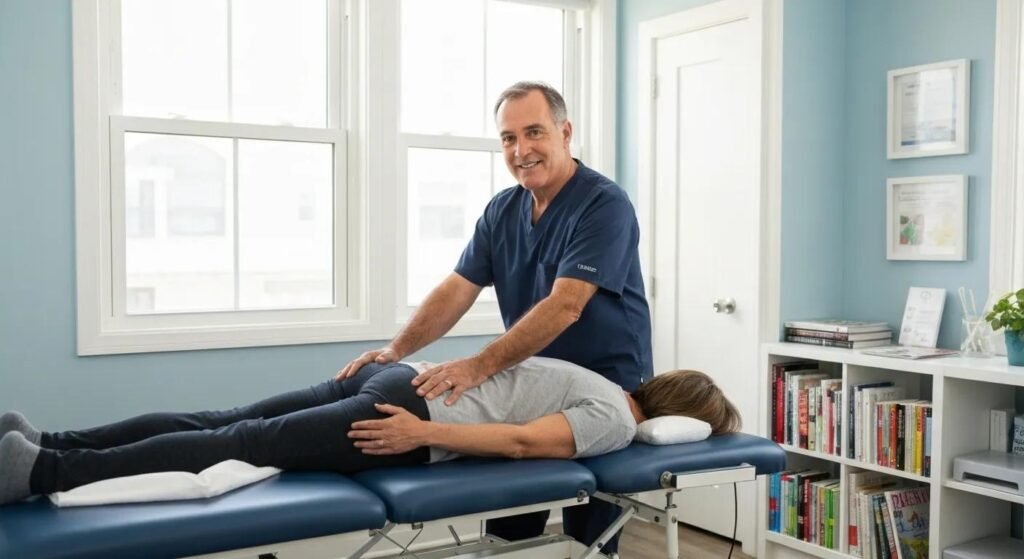
Chiropractic & Acupuncture in Grapevine, TX — Practical Relief for Back, Neck & Joint Pain
At our Grapevine clinic, chiropractic care and complementary holistic therapies work together to ease pain, restore movement, and support lasting wellness. This guide breaks down common causes of musculoskeletal pain and shows how precise chiropractic adjustments, targeted rehab, and acupuncture speed recovery and reduce nerve irritation. You’ll learn how clinicians evaluate back, neck, and joint problems, which hands-on techniques and adjunct therapies tend to produce measurable short-term gains, and how to prepare for your first visit. We also outline services tailored for athletes, those injured in auto accidents, and expectant mothers, plus realistic recovery timelines and maintenance options. Throughout, we highlight evidence-informed mechanisms, clear symptom red flags, and practical checklists so you can make confident decisions about care.
What Causes Back, Neck, and Joint Pain in Grapevine Residents?
Pain in the back, neck, and joints usually stems from mechanical issues, wear-and-tear, inflammation, or trauma that affect the spine, surrounding soft tissues, and peripheral joints. Mechanical problems — like disc bulges, irritated facet joints, or muscle imbalances — change how the spine moves and can increase local inflammation, producing pain and limited motion. Degenerative changes such as osteoarthritis slowly decrease joint space and shock absorption, while sudden trauma from falls, sports collisions, or car accidents can cause sprains, strains, and whiplash. Identifying these root causes helps clinicians prioritize treatments that restore motion, calm pain signals, and improve function.
Understanding what to watch for starts with the most common symptoms and the warning signs that need urgent care; the next section lists these clearly and then connects lifestyle factors to prevention strategies.
What Are the Common Symptoms of Back, Neck, and Joint Pain?

Typical complaints include a localized ache, sharp or shooting pain that radiates, stiffness that limits daily tasks, and sensory changes such as numbness or tingling that suggest nerve involvement. Patients often notice reduced range of motion, morning stiffness that eases with movement, or pain that worsens with specific activities or positions. These patterns help clinicians distinguish soft-tissue problems from joint or nerve sources.
Seek immediate medical attention if you experience sudden severe pain, progressive weakness in your arms or legs, loss of bowel or bladder control, or fever with back pain — these can signal serious neurologic or infectious conditions and require urgent evaluation. Early recognition of concerning signs usually means faster, more focused care.
With this symptom picture in mind, the next section explains how everyday habits and injuries can lead to chronic or recurring pain — and what you can do to lower that risk.
How Do Lifestyle and Injuries Contribute to These Pains?
Long periods of sitting, poor ergonomics, repetitive job tasks, and weak conditioning all contribute to muscle imbalances and joint stiffness that increase pain risk. For example, forward head posture raises cervical load and can cause persistent neck strain, while repeated heavy lifting without core stability raises stress on lumbar discs and triggers flare-ups. Acute events — such as sports impacts or car crashes — can cause tissue microtrauma that becomes chronic if not assessed and rehabilitated promptly. Practical prevention includes ergonomic fixes, gradual exercise progressions, core strengthening, and early evaluation after an injury to stop acute problems from becoming long-term issues.
Next, we describe how chiropractic care addresses these mechanical and neurologic contributors to produce effective pain relief.
How Does Chiropractic Care Provide Effective Pain Relief in Grapevine, TX?
Chiropractic care eases pain by restoring joint motion, improving soft-tissue function, and modulating nervous system input to pain-processing centers. Adjustments deliver precise forces to spinal segments to improve alignment and segmental mobility; soft-tissue methods lower muscle tone and ease trigger-point referral; therapeutic exercises retrain movement patterns and strengthen supporting muscles. Combined, these approaches reduce nociceptive signaling, restore better biomechanics, and speed functional recovery — outcomes supported by clinical research showing meaningful pain and function improvements for common low back and neck conditions. The next section defines adjustments and their immediate physiologic effects, followed by a side-by-side look at common techniques and what to expect shortly after treatment.
What Are Chiropractic Adjustments and How Do They Work?
An adjustment is a focused manual or instrument-assisted force applied to a joint to restore normal motion, lower local inflammation, and reduce mechanoreceptor-driven pain signals. Adjustments help joint glide, relieve pressure on nerve roots or irritated soft tissues, and can interrupt reflex-driven muscle guarding — often producing measurable gains in mobility and pain within a single visit. Adjustments are paired with a hands-on assessment of spinal mechanics, soft-tissue palpation, and an immediate functional recheck to document range-of-motion changes. Safety is part of every plan: technique selection is individualized based on your history, neurologic findings, and imaging when needed.
Below is a concise comparison of common chiropractic techniques and their typical short-term effects to help match approach to condition and tolerance.
Knowing these differences helps clinicians choose the right technique for your condition and comfort. The following section explains how acupuncture pairs with chiropractic care to enhance pain control.
How Can Acupuncture Complement Chiropractic Care for Pain Management?
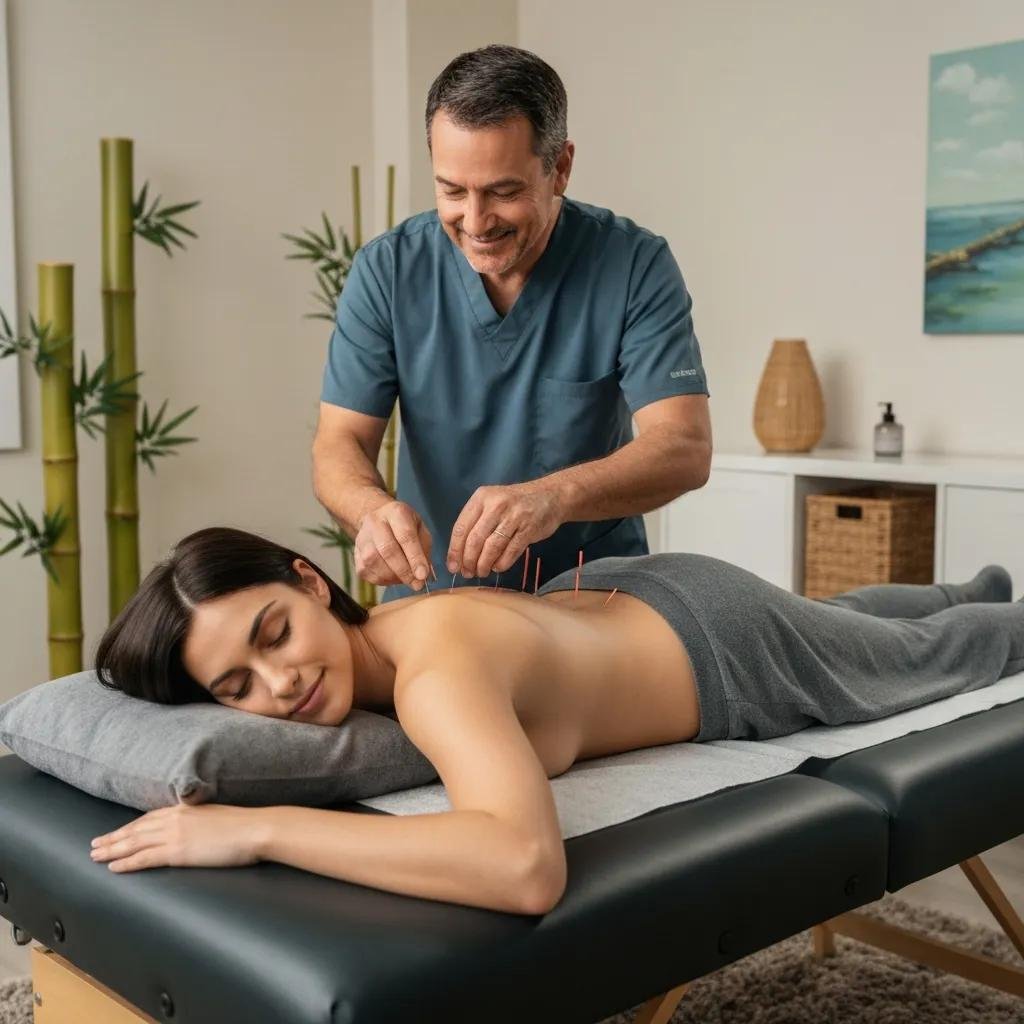
Acupuncture adds value by affecting pain signaling, improving local blood flow, and reducing muscle hypertonicity through needle-mediated neuromodulation and microcirculatory effects. Needle stimulation encourages the release of endogenous opioids and engages descending inhibitory pathways, which can lower perceived pain and improve sleep and function. Paired with adjustments, acupuncture can ease muscular guarding that limits joint motion and speed recovery of normal movement patterns. Clinical summaries show additive benefits for low back pain, neck pain, and chronic headaches when acupuncture is part of multimodal care.
The following subsections summarize evidence-backed benefits and show how Eastern and Western approaches can work together.
What Are the Benefits of Acupuncture for Back, Neck, and Joint Pain?
Acupuncture can reduce pain intensity, decrease the number of painful episodes, lower muscle tension, and improve sleep and daily function for many people with musculoskeletal pain. Typical treatment plans involve several sessions over 2–6 weeks, with gradual symptom improvement; many patients note better sleep and less need for pain medications as scores improve. Techniques such as trigger-point needling, distal point strategies, and auricular or scalp approaches address different symptom patterns and are chosen to fit the clinical picture. Systematic reviews support acupuncture as a helpful adjunct for chronic low back pain and some headache types, showing clinically meaningful benefits when added to standard care.
Next, we’ll explain why combining acupuncture with chiropractic adjustments often produces complementary therapeutic effects.
Bringing multiple therapies together — like chiropractic and acupuncture — recognizes the many factors behind musculoskeletal pain and treats both physical symptoms and overall function.
Multimodal Musculoskeletal Treatment Models: An Integrated Approach to Pain Management
Musculoskeletal (MSK) disorders affect a large portion of the population and contribute substantially to disability and health costs. Single-modality treatments such as medication or isolated physical therapy may only address part of the problem, which has led to growing interest in multimodal approaches that combine methods like osteopathic techniques, acupuncture, physical therapy, and other practices. These integrated models aim to treat the physical, psychological, and functional aspects of MSK disorders together for more complete care.
Introduction to multimodal musculoskeletal treatment models: a viewpoint, 2025
How Does Combining Eastern and Western Medicine Enhance Pain Relief?
Pairing chiropractic adjustments with acupuncture uses different but complementary mechanisms — mechanical restoration of joint movement plus neurochemical modulation of pain pathways — to get better results than either approach alone in many cases. For example, an adjustment can restore lumbar motion while acupuncture soothes paraspinal muscle spasm and reduces central sensitization, producing faster pain relief and clearer functional gains. Coordinated care sequences mechanical work and neuromodulation to optimize healing windows and motor relearning, with safety and shared goals guiding treatment decisions so care stays centered on the patient’s priorities.
The next section outlines the specialized services commonly offered locally and what each typically includes.
What Specialized Chiropractic Services Are Available for Grapevine Patients?
Our specialized services address specific needs — from sports rehab and post-accident recovery to prenatal support and integrative acupuncture for chronic conditions. Typical offerings include focused assessments, targeted adjustments, exercise prescriptions, soft-tissue therapy, and acupuncture when indicated to speed recovery. We accept many insurance plans and offer a complimentary initial consultation to help new patients understand their individualized care path. The table below links common services to conditions and what a typical session includes to help you choose the right option.
Use this practical comparison to decide which service fits your situation.
This overview clarifies what each service covers and what to expect during a session, helping you pick the best option for your needs.
How Is Chiropractic Care Tailored for Sports Injuries and Car Accident Recovery?
Care for athletes and auto-injury patients starts with a functional biomechanical exam, sport-specific movement testing, and screening for red flags that change treatment priorities. Typical protocols sequence pain control (manual therapy, acupuncture), restoration of joint mobility (targeted adjustments), and progressive loading with neuromuscular retraining to return you to activity safely. Many patients see reduced pain and improved range-of-motion within weeks, followed by staged strength and sport-specific conditioning.
What Are the Options for Women’s Health and Prenatal Chiropractic Care?
Prenatal chiropractic focuses on pelvic balance, spinal comfort, and relieving pregnancy-related low back pain using modified techniques and positioning to protect both mother and baby. Providers adapt adjustments, avoid supine compression later in pregnancy, and add gentle myofascial work or targeted acupuncture when helpful for sleep, nausea, or pelvic discomfort. Additional women’s health services may include acupuncture approaches that support hormonal balance and complement musculoskeletal care. We coordinate with your obstetric provider to ensure safety and a unified care plan.
How Can Patients Prepare for Their Initial Chiropractic Consultation in Grapevine?
Coming prepared to your first visit helps us diagnose accurately and plan efficiently. Bring prior imaging or reports, a clear symptom timeline, a list of medications, and notes about how your condition limits daily life — this information helps the clinician prioritize tests and tailor a plan. We offer a complimentary initial consultation and accept many insurance plans, which makes verifying benefits easier before committing to care. Use the checklist below to get the most from your first appointment.
Use this checklist to prepare for your first appointment.
- Bring Prior Records: If you have X-rays, MRIs, or recent clinical notes, bring them or copies.
- List Symptoms and Triggers: Record when symptoms started, what makes them worse or better, and how they affect daily activities.
- Bring Insurance Info: Have your insurance card and any referral/authorization details ready for benefit verification.
- Prepare Questions: Write down your goals, any treatment concerns, and a preferred recovery timeline to discuss.
- Wear Comfortable Clothing: Loose clothing makes movement assessment and the physical exam easier.
Following these steps shortens assessment time and helps your clinician recommend the most appropriate next steps quickly.
What to Expect During a Complimentary Initial Consultation?
Your complimentary consultation will include a focused intake of medical history, a physical and functional exam to assess range of motion and neurologic status, and a discussion of likely diagnoses and initial care options. The clinician will outline recommended next steps — whether that means reviewing imaging, starting a trial of conservative chiropractic care, adding acupuncture, or making a referral — and give a realistic timeline for expected improvement. The consult emphasizes shared decision-making so you understand potential benefits, risks, and costs before scheduling follow-up care. That transparency helps you make an informed choice about next steps.
The growing acceptance and use of complementary and alternative medicine (CAM) — particularly acupuncture and chiropractic — for chronic musculoskeletal pain highlights their role in coordinated, non-pharmacologic care plans.
Acupuncture and Chiropractic Care for Chronic Pain: An Integrated Health Approach
People commonly seek CAM treatments for chronic musculoskeletal pain, and acupuncture and chiropractic are among the most accepted and best-studied options. Rising use of opioids and surgical interventions for chronic pain — despite costs, side effects, and limited long-term benefit for many patients — has prompted interest in evaluating real-world outcomes for non-pharmacologic, non-surgical approaches that are widely accepted by patients and clinicians.
Acupuncture and chiropractic care for chronic pain in an integrated health plan: a mixed methods study, C Ritenbaugh, 2011
How Does Insurance Acceptance Make Chiropractic Care Accessible?
Accepting insurance helps lower out-of-pocket costs for many patients and often covers medically necessary chiropractic services after benefit verification. Knowing your plan’s coverage, copays, and authorization rules ahead of time avoids surprises. Bring your insurance card to the complimentary consultation so our staff can confirm benefits and explain likely cost-sharing before treatment begins. Coverage often applies to acute injury care or care with a physician referral, but plans vary — verifying benefits during your consultation makes access smoother and supports financially informed decisions.
What Are the Long-Term Benefits of Holistic Chiropractic Care for Grapevine Residents?
Holistic chiropractic care can deliver lasting gains in mobility, fewer flare-ups, and improved quality of life by combining mechanical correction, rehabilitative work, and integrative therapies. Long-term benefits include better range of motion, reduced pain frequency and intensity, improved sleep, and greater capacity for daily and recreational activities. These results come from addressing biomechanical drivers, strengthening stabilizing muscles, and modulating chronic pain pathways. Maintenance plans typically move patients from frequent, acute visits to scheduled wellness checks that focus on flexibility, core strength, and targeted acupuncture when needed. Below is a quick list of common long-term benefits and maintenance elements.
- Improved Mobility: Restored joint mechanics lead to smoother movement and less stiffness.
- Fewer Recurrences: Stabilizing exercises and periodic care reduce the frequency of painful flare-ups.
- Better Sleep & Mood: Lower pain levels and reduced medication reliance support restorative sleep and improved mood.
- Greater Activity Tolerance: Patients regain the ability to work, exercise, and enjoy leisure activities with fewer limitations.
These outcomes support a practical maintenance plan that includes periodic reassessment and targeted therapy when symptoms return.
How Does Chiropractic Care Improve Mobility and Overall Wellness?
Chiropractic care improves mobility by correcting joint restrictions, normalizing muscle function, and retraining movement patterns with progressive exercise programs. Better joint mechanics reduce abnormal load on discs and facets, lowering nociceptive input and enabling gains in gait, lifting tolerance, and everyday tasks. Ongoing integrative care that includes acupuncture and soft-tissue work can support sleep and stress reduction, further aiding recovery and endurance. Patients who stick to prescribed home exercises and attend periodic follow-ups typically enjoy more durable results and greater resilience to new injuries.
Delivering integrative care for chronic back pain through a collaborative, interdisciplinary approach is often central to optimizing patient outcomes.
Integrative Care for Low Back Pain: A Clinical Pathway Approach
For chronic back pain, integrative care plans that combine multiple disciplines may produce better outcomes than single-discipline approaches, particularly when guided by a collaborative, non-hierarchical team. This work describes a clinical care pathway used to coordinate integrative providers within a randomized trial setting.
Integrative care for the management of low back pain: use of a clinical care pathway, 2010
What Patient Success Stories Demonstrate Effective Pain Relief?
Here are brief, anonymized examples of common outcomes: a recreational runner with chronic low back pain reduced pain by more than 60% in six weeks through combined adjustments, progressive stability training, and trigger-point acupuncture; a whiplash patient regained full neck motion and returned to work after eight weeks of gentle cervical mobilization and acupuncture; and a pregnant patient experienced significant pelvic pain relief and better sleep after prenatal adjustments and supportive myofascial work.
These stories show how tailored, multimodal plans produce measurable improvement and help patients return to activities that matter. If you’re ready to explore individualized care, a complimentary initial consultation and benefit verification make the first step easy and practical.
Chiro & Acupuncture Inc. in Grapevine provides combined chiropractic and acupuncture services from Dr. Taeho Lee, D.C., and Dr. Sunny Han, DACM, L.Ac. We accept insurance and offer a complimentary initial consultation to review personalized care plans and next steps.