
Knee Pain Relief in Grapevine — Trusted Chiropractic & Acupuncture Care
Knee pain can keep you from the things you love — from work to workouts to a good night’s sleep. For many Grapevine residents, finding effective non-surgical relief is a top priority. This guide walks through an integrated approach that pairs chiropractic alignment with acupuncture’s pain‑modulating effects to reduce pain, restore mobility, and speed recovery. You’ll find clear explanations of common causes and warning signs, how each therapy works at the mechanical and neurochemical levels, and how conservative options compare to physical therapy, braces, or injections. We also include practical prevention tips and simple at‑home exercises for runners, weekend athletes, and older adults who want to avoid relapse. Finally, we explain how to schedule a complimentary initial consultation locally and what to expect at that first visit — all with practical, evidence‑informed guidance to help you decide when to seek care in Grapevine.
What Are the Common Causes and Symptoms of Knee Pain in Grapevine?
Knee pain can come from many sources and affects people of every age — from sudden sports injuries to long‑term degenerative changes. Overload, cartilage wear, meniscal tears, ligament sprains, and patellofemoral tracking problems each create characteristic pain patterns and functional limits. In active suburban communities like Grapevine, we commonly see running‑related overuse, court‑sport injuries, and age‑related osteoarthritis. Noting red flags — such as inability to bear weight or rapidly worsening swelling — helps determine whether urgent referral or outpatient conservative care is appropriate.
Use this quick list to help identify likely causes before a formal evaluation.
- Sports injuries (ACL/MCL sprains, meniscal tears, patellar tendonitis) typically present with sudden pain, swelling, or a popping sensation.
- Osteoarthritis produces activity‑related joint pain, stiffness after sitting, and gradual loss of range of motion.
- Overuse conditions like patellofemoral pain cause front‑of‑knee pain with running, squatting, or prolonged sitting.
- Biomechanical contributors — weak hips, flat feet, or an altered gait — lead to chronic strain and recurring symptoms.
Recognizing these patterns guides early self‑care and indicates when to seek professional assessment. The next section focuses on sports‑related mechanisms and when on‑field care is needed versus clinic evaluation.
Which Sports Injuries Commonly Cause Knee Pain?

Common sports injuries that produce knee pain include ligament sprains (ACL, MCL), meniscal tears, patellar instability, and tendon overload (for example, patellar or hamstring tendinopathy). Mechanisms differ by sport: quick pivots in soccer or basketball often cause ACL injuries through rotational forces, while repetitive running favors patellofemoral pain and IT band irritation. Distinguishing signs help guide care — a loud pop and immediate instability often point to a major ligament injury, while gradual swelling and catching may indicate a meniscal tear. On‑field care follows basic RICE principles, and prompt clinic assessment is important when there’s instability or the athlete can’t continue.
Mild sprains frequently respond to conservative rehab over a few weeks, while structural injuries may require imaging and staged rehabilitation. That contrast leads into how osteoarthritis typically presents in middle‑aged and older patients.
How Does Osteoarthritis Affect Knee Pain and Mobility?
Knee osteoarthritis results from progressive cartilage loss plus low‑grade joint inflammation. Pain tends to worsen with weight‑bearing and ease with rest. Functional clues include morning stiffness lasting less than 30 minutes, discomfort on stairs or after standing, and a steady decline in walking tolerance. Research shows many patients improve with non‑surgical measures that reduce joint load and inflammation. Treatment focuses on strengthening, alignment, activity modification, and targeted pain relief to delay or avoid invasive procedures.
Understanding the mechanical and inflammatory drivers of osteoarthritis sets up the role chiropractic care can play in correcting alignment and redistributing load to improve knee function.
How Can Chiropractic Care Provide Effective Knee Pain Relief?
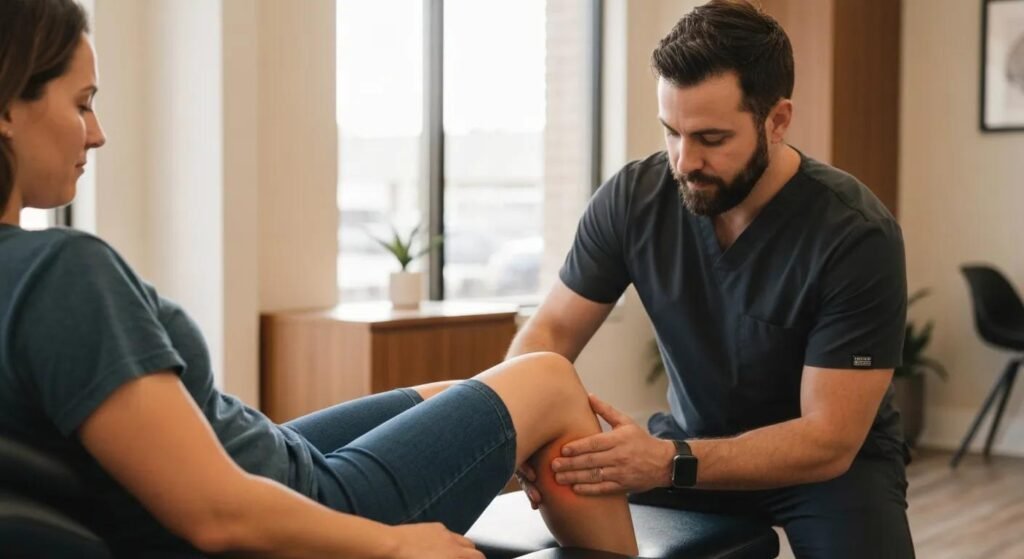
Chiropractic care addresses knee pain by restoring proper joint mechanics, improving neuromuscular control, and correcting spine‑pelvis alignment that affects knee loading. Spinal and extremity adjustments improve joint motion, soft‑tissue techniques ease myofascial tension, and rehabilitation exercises retrain safer movement patterns. Together these approaches lower joint stress, improve gait, and help patients return to activity without surgery in many cases. Evidence supports a multimodal conservative plan for common knee complaints, with measurable pain and function gains over several weeks of consistent therapy.
Below is a concise comparison of common chiropractic approaches, how they work, and what patients can expect.
Introductory table comparing techniques:
These targeted techniques create cascading improvements from spinal alignment to knee mechanics, which supports multimodal care and a focus on lasting function rather than quick fixes.
What Chiropractic Techniques Are Used for Knee Pain Relief?
Typical approaches include joint mobilization, extremity adjustments, myofascial release, instrument‑assisted soft tissue work, and progressive therapeutic exercise. Gentle mobilizations restore arthrokinematic motion, extremity adjustments correct positional faults of the patella or tibiofemoral joint, and soft‑tissue techniques reduce guarding and scar‑like restrictions. Instrument‑assisted methods target focal adhesions. Sessions usually combine hands‑on care with a tailored exercise plan; clinicians avoid aggressive manipulation when there are acute fractures or unstable joints.
Choosing the right combination explains why multimodal plans often outperform single‑modality care. The next section describes how these mechanical changes translate into better daily and sport function.
How Does Chiropractic Care Improve Knee Function and Reduce Pain?
Chiropractic care improves knee function by optimizing alignment, reducing abnormal load transfer, and enhancing neuromuscular coordination that controls movement. By addressing lumbopelvic and lower‑extremity mechanics, clinicians reduce compensatory stresses on meniscal and cartilage tissues, easing pain and slowing degeneration. Functional gains often include longer walking distance, easier stair climbing, stronger hip and quadriceps activation, and quicker return‑to‑sport when combined with graded rehab. Many patients notice meaningful pain relief after a few sessions and continue improving with adherence to their home program.
Dr. Taeho Lee, D.C., applies evidence‑based chiropractic methods at Chiro & Acupuncture Inc. A complimentary initial consultation helps determine whether these approaches suit your specific knee condition — see the scheduling section below to arrange an evaluation.
Why Is Acupuncture an Effective Treatment for Knee Pain Relief?
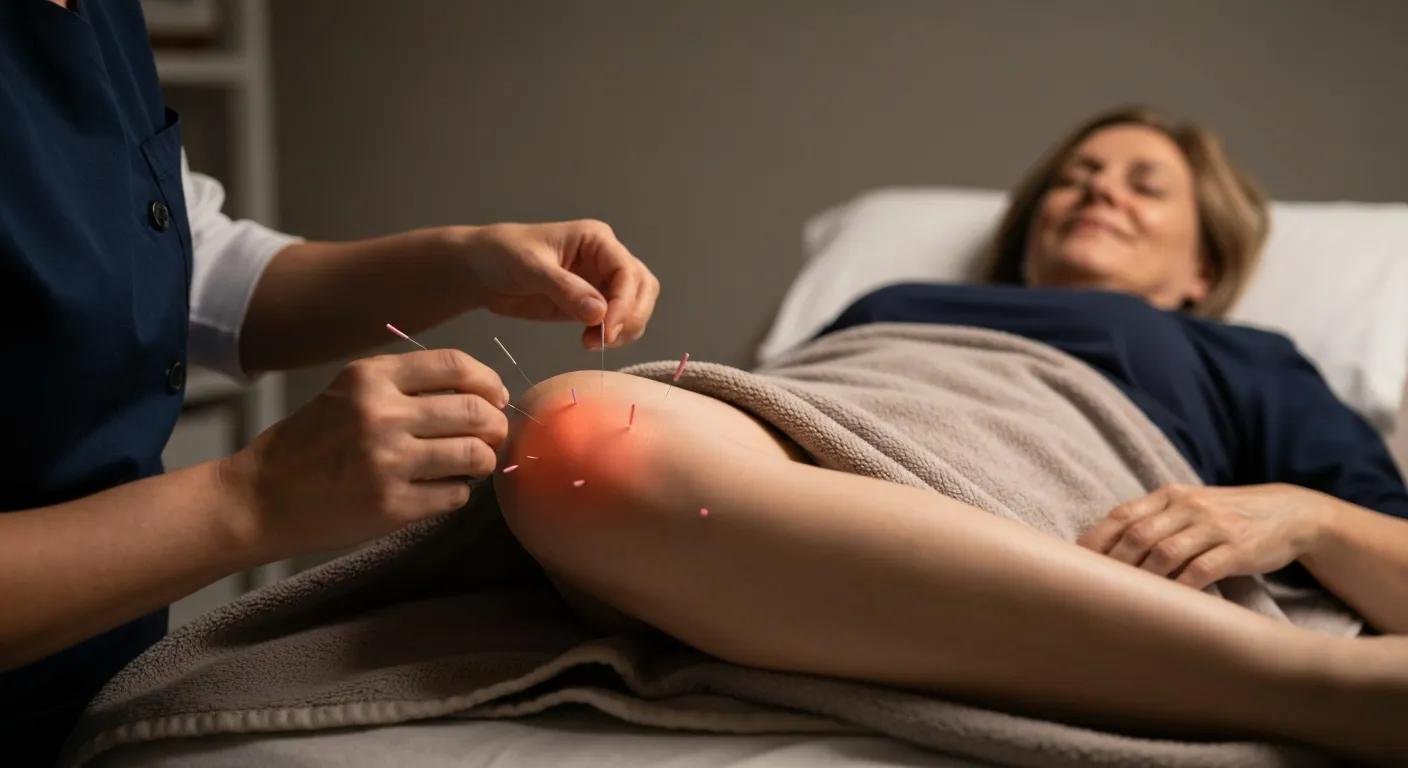
Acupuncture helps knee pain through neurochemical modulation, improved local circulation, and anti‑inflammatory signaling that together change how pain is processed and support tissue recovery. Needle stimulation activates peripheral nerves and central pain pathways, triggering endorphin release, shifting neurotransmitter balance, and potentially lowering pro‑inflammatory cytokines in joint tissues. Recent clinical reviews show acupuncture can provide moderate pain relief and functional gains for knee osteoarthritis and some chronic pain conditions. Options such as manual needling, electroacupuncture, and adjuncts like cupping let practitioners tailor care to each patient’s symptoms.
Dr. Sunny Han, DACM, L.Ac., offers individualized acupuncture protocols at Chiro & Acupuncture Inc., integrating needling with mechanical care to create safe, patient‑centered treatment plans.
Introductory table comparing acupuncture modalities:
Overall, evidence supports the role of acupuncture and chiropractic care as components of integrated plans for chronic musculoskeletal pain.
Acupuncture and Chiropractic for Chronic Musculoskeletal Pain: An Integrated Approach
Complementary therapies like acupuncture and chiropractic are commonly used for chronic musculoskeletal pain and are among the non‑pharmacologic options with strong clinical acceptance. As concerns over costly and sometimes risky opioid prescriptions and surgical intervention rise, evaluating real‑world outcomes for these conservative treatments becomes more important. Integrated approaches are frequently acceptable to patients and show promise as alternatives or complements to more invasive care.
Acupuncture and chiropractic care for chronic pain in an integrated health plan: a mixed methods study, C Ritenbaugh, 2011
Which Acupuncture Points Are Targeted for Knee Pain?
Practitioners combine local and distal points — for example ST35 and Xiyan near the knee, plus SP9, GB34, and Ashi (tender) points — to blend regional effects with systemic modulation. Local points increase microcirculation and reduce nociception at the joint, while distal points influence muscle tone and joint function through neuroreflex pathways. Point choice is guided by the underlying diagnosis (osteoarthritis versus tendinopathy), tissue findings, and the patient’s goals. For chronic or stubborn cases, electroacupuncture may be added to deepen stimulation and prolong benefit.
Matching point selection to the mechanical diagnosis improves treatment precision and sets realistic expectations for symptom improvement and mobility gains.
How Does Acupuncture Reduce Inflammation and Enhance Knee Mobility?
Acupuncture can lower inflammation by shifting immune mediators and boosting local circulation, which supports tissue repair and fluid resorption. Needling releases endogenous opioids and anti‑inflammatory signals, and studies of electroacupuncture have shown reductions in markers linked to chronic joint inflammation. Clinically, patients may notice less swelling, improved range of motion, and reduced pain during daily tasks after a series of treatments. Pairing needling with targeted strengthening and movement retraining enhances and extends these improvements.
Using acupuncture within a multimodal plan helps explain why many patients prefer combined strategies to single interventions for lasting results.
How Does an Integrated Chiropractic and Acupuncture Approach Enhance Knee Pain Relief?
Pairing structural correction (chiropractic adjustments and rehab) with acupuncture’s pain‑modulating and anti‑inflammatory effects produces complementary results that can speed recovery. Alignment work reduces mechanical stress; acupuncture lowers pain and improves tissue health, allowing patients to participate more fully in exercises that rebuild strength and endurance. Care sequencing is tailored: some patients begin with acupuncture for pain control so they can engage in mechanical treatment, others start with alignment followed by needling for persistent inflammation. The result is a personalized pathway that prioritizes function, symptom control, and return‑to‑activity goals.
Chiro & Acupuncture Inc. applies this integrated model in Grapevine, offering a complimentary initial consultation and accepting insurance to improve access. If you’re interested in combined care, review the scheduling details below.
Below are practical advantages and an example pathway showing how combined care can work in practice.
What Are the Advantages of Combining Eastern and Western Medicine for Knee Pain?
Combining chiropractic and acupuncture delivers multi‑mechanism relief: mechanical load reduction, neuromuscular re‑education, and biochemical pain modulation working together. Patients often need fewer medications and make faster functional gains than with a single therapy because structural improvements enable active rehab while acupuncture lowers pain enough to allow earlier participation. Individualized sequencing — whether starting with needling for pain control or alignment to normalize mechanics — improves adherence and outcomes, supporting earlier return to sport and daily life with less reliance on invasive procedures.
These benefits naturally lead to how a local clinic personalizes care while keeping access simple through insurance and a complimentary consult.
How Does Chiro & Acupuncture Inc. Personalize Treatment Plans for Knee Pain?
Personalization starts with a thorough intake: medical history, activity goals, and a focused functional exam to identify biomechanical drivers and pain sources. Clinicians then select and sequence interventions — for example, an initial acupuncture session to reduce inflammation followed by a series of adjustments and progressive loading exercises — based on diagnosis and patient goals. The clinic’s complimentary initial consultation and insurance acceptance streamline access, and measurable milestones help track pain, range of motion, and activity progression.
This goal‑oriented pathway keeps treatments practical and tailored to your return‑to‑function objectives, and connects naturally to the broader set of non‑surgical options available locally.
What Non-Surgical Knee Pain Solutions Are Available in Grapevine, TX?
Residents of Grapevine can access a spectrum of non‑surgical knee treatments: chiropractic and acupuncture, physical therapy, bracing and orthotics, injections, and various regenerative medicine options. Each approach has different mechanisms, timelines, and trade‑offs. Choice depends on diagnosis, desired recovery speed, tolerance for invasiveness, and long‑term goals. Conservative care usually begins with load management, strengthening, and manual therapies, progressing to adjunctive measures as needed. The table below helps compare options side‑by‑side.
Introductory comparison table:
The wide use and reported benefit of complementary therapies like acupuncture and chiropractic for chronic pain highlight their role in conservative musculoskeletal care.
Alternative Therapies for Musculoskeletal Pain: Acupuncture and Chiropractic
Alternative medicine is commonly used to treat musculoskeletal pain, and many patients report benefit from therapies such as acupuncture, chiropractic care, tai chi, and osteopathic manipulation. While the degree of benefit varies by condition and study, these approaches are frequently recommended as adjuncts or first‑line conservative options. Ongoing research is needed to refine their role, but current reviews support their use as part of a multimodal strategy for chronic pain.
… comprehensive review of alternative therapies for the management of chronic pain patients: acupuncture, tai chi, osteopathic manipulative medicine, and chiropractic …, I Urits, 2021
How Do Chiropractic and Acupuncture Compare to Other Non-Surgical Treatments?
Chiropractic and acupuncture are conservative, low‑risk options that address mechanics and pain modulation respectively. Physical therapy emphasizes progressive loading and motor control, while injections can offer targeted, short‑term inflammation control. For many knee conditions, combining manual therapies with rehabilitative exercise delivers durable improvement without the risks of repeated injections or surgery. When rapid pain relief is needed to allow rehabilitation, a short course of acupuncture or a single injection may be appropriate before progressing with mechanical care.
Choosing the right mix often means sequencing treatments — start with pain control to enable mechanical correction and exercise adherence, then build resilience through progressive loading and movement retraining.
What Preventative Strategies and Exercises Help Avoid Knee Pain?
Prevention focuses on strengthening key muscle groups, refining movement patterns, and managing training loads to lower knee stress and recurrence risk. The exercises below target hip stability, quadriceps control, and safe mobility — essential for runners, athletes, and older adults seeking long‑term protection.
Introductory exercise list:
- Single‑leg Romanian deadlift: Builds hamstring and glute strength to stabilize the hip and reduce knee valgus.
- Side‑lying clamshells: Strengthens hip abductors to improve lateral stability during walking and running.
- Eccentric decline squats: Enhances quadriceps control for patellofemoral pain management.
- Terminal knee extensions (banded): Activates the vastus medialis to support proper patellar tracking.
- Step‑down control drills: Trains eccentric control and mirrors everyday challenges like stairs.
- Calf mobility and ankle dorsiflexion work: Restores foot mechanics to reduce compensatory knee strain.
Doing these exercises regularly, combined with appropriate warm‑ups and sensible load progression, lowers the risk of overuse injuries and supports lasting knee health. Clinicians commonly integrate them into personalized programs alongside manual care for best results.
How Can Patients Schedule a Consultation for Knee Pain Relief at Chiro & Acupuncture Inc.?
Scheduling is simple: call the clinic to request a complimentary initial consultation or use the online booking option if you prefer. The complimentary consultation determines whether chiropractic and/or acupuncture care is appropriate, reviews medical history, includes a focused exam, and outlines a patient‑centered plan. Chiro & Acupuncture Inc. accepts insurance, which can lower out‑of‑pocket costs — callers should verify plan details with staff. The clinic’s Grapevine location and direct phone line make it easy for local residents to arrange care.
Use this short checklist to prepare and schedule your first visit.
- Call the clinic at (817) 552-7246 to request a complimentary initial consultation.
- Bring a brief history of your knee problem and any recent imaging or medical notes.
- Confirm insurance acceptance and any pre‑authorization requirements with clinic staff.
- Attend the consultation ready to discuss goals, activity level, and prior treatments.
These steps help remove barriers to care and make the first visit focused and productive. The following sections explain what to expect at the complimentary consult and how insurance acceptance supports access.
What Should Patients Expect During the Complimentary Initial Consultation?
The complimentary consultation typically includes check‑in, a targeted medical history, and a physical and functional exam to identify pain generators and movement deficits. Clinicians may perform gait analysis, range‑of‑motion testing, and special maneuvers to assess ligaments, menisci, and patellofemoral function; basic palpation and neuromuscular testing are standard. The clinician will review findings, recommend a tailored plan (which may include acupuncture, chiropractic techniques, and a home exercise program), and estimate follow‑up. The visit is designed to be informative and actionable, giving you a clear conservative care pathway.
Bringing a list of symptoms, activity goals, and any imaging reports speeds assessment and helps clinicians tailor an effective plan.
How Does Insurance Acceptance Simplify Access to Knee Pain Treatments?
Accepting insurance lowers financial barriers by reducing upfront costs for eligible services and allowing patients to access integrated conservative care without high immediate out‑of‑pocket expense. Coverage varies by plan, so call (817) 552‑7246 to confirm benefits and any authorization requirements before scheduling. The complimentary initial consultation further reduces financial uncertainty by offering an initial evaluation at no charge.
This transparent approach helps you focus on recovery while clinicians recommend evidence‑based care tailored to your needs.