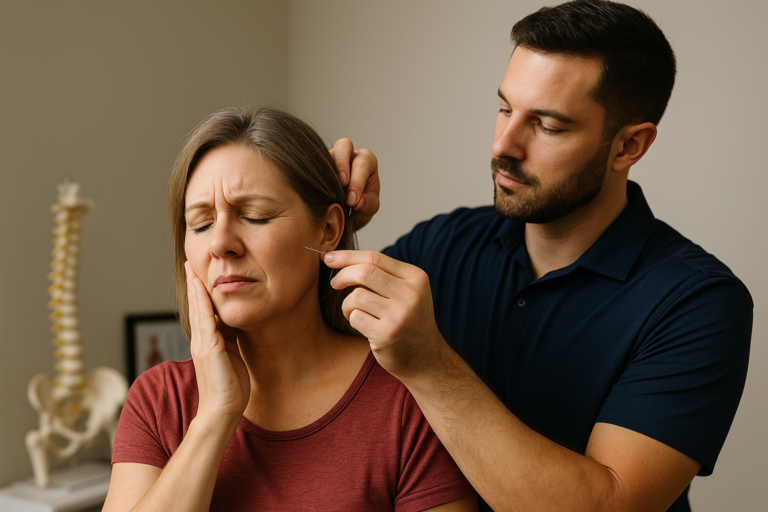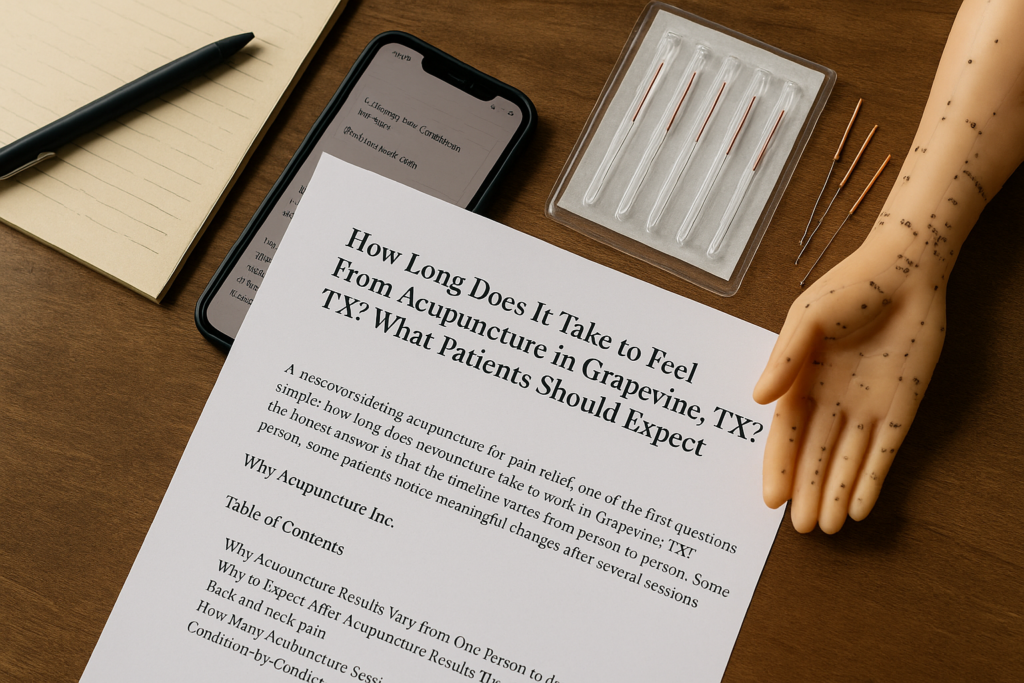
If you are considering acupuncture for pain relief, one of the first questions you may have is simple: how long does acupuncture take to work in Grapevine, TX? The honest answer is that the timeline varies from person to person. Some patients notice meaningful changes after their first visit, while others improve more gradually over several sessions. The condition being treated, how long symptoms have been present, overall health, and whether inflammation or nerve irritation is involved can all affect the pace of progress.
For many people, acupuncture is not just about temporary symptom relief. It is often part of a broader plan to reduce pain, improve mobility, support healing, and help the body regulate tension and inflammation more effectively. At Chiro & Acupuncture Inc., care is personalized to the patient’s condition and goals, and treatments may also be paired with modern options such as Stemwave therapy to support tissue recovery and reduce inflammation.
This guide explains the typical acupuncture results timeline in Grapevine, TX, what patients often feel after treatment, and how many acupuncture sessions are needed in Grapevine, TX for different types of pain and dysfunction.
Why Acupuncture Results Vary from One Person to Another
Acupuncture works by stimulating specific points in the body to support natural healing responses. Although many patients use it for pain, the response is not identical for everyone. Several factors influence how quickly someone notices improvement:
- How long the condition has been present: Recent injuries often improve faster than chronic pain that has built up over months or years.
- Severity of symptoms: Mild stiffness and moderate muscle tension may respond sooner than severe nerve pain or widespread inflammation.
- Type of condition: Headaches, sports injuries, arthritis, sciatica, and whiplash can each follow a different response pattern.
- Consistency of care: A treatment plan followed as recommended tends to produce better cumulative results than sporadic visits.
- Overall health and recovery capacity: Sleep, stress levels, physical activity, hydration, and underlying inflammation can influence healing.
This is why practitioners usually focus on progress over a short series of visits rather than judging the outcome from a single appointment alone.
What to Expect After Acupuncture in Grapevine, TX
Patients often want to know what to expect after acupuncture in Grapevine, TX, especially if it is their first session. Most people tolerate treatment well, and responses after an appointment are usually mild and temporary. Common experiences include:
- A sense of relaxation or calm
- Reduced muscle tightness
- Less pain or pressure in the treated area
- Improved mobility or easier movement
- Mild fatigue for a few hours
- Temporary soreness that fades quickly
Some people leave feeling immediate relief. Others notice subtle shifts later the same day or over the next 24 to 48 hours. In certain cases, symptoms may briefly fluctuate before settling down, especially when the body is responding to long-standing tension or inflammation.
It is also common for the first treatment to serve as an assessment of how the body reacts. A practitioner may adjust point selection, treatment frequency, or supportive therapies in later visits based on that response.
How Long Does Acupuncture Take to Work in Grapevine, TX?
There is no universal timeline, but most patients can think about acupuncture progress in stages:
After 1 Session
Some patients notice early changes such as reduced tension, better range of motion, calmer headaches, or less intense pain. This is more common with acute issues, muscle tightness, or stress-related symptoms.
After 2 to 4 Sessions
This is often when patterns become clearer. If acupuncture is helping, patients may notice that pain episodes are less frequent, less severe, or shorter in duration. Daily activities may feel easier, and sleep or recovery may improve as well.
After 4 to 8 Sessions
For many chronic conditions, this is where more meaningful and lasting change develops. Inflammation may decrease, mobility may improve further, and flare-ups may become less disruptive. Patients with longer-term pain often need repeated stimulation over time to encourage more stable results.
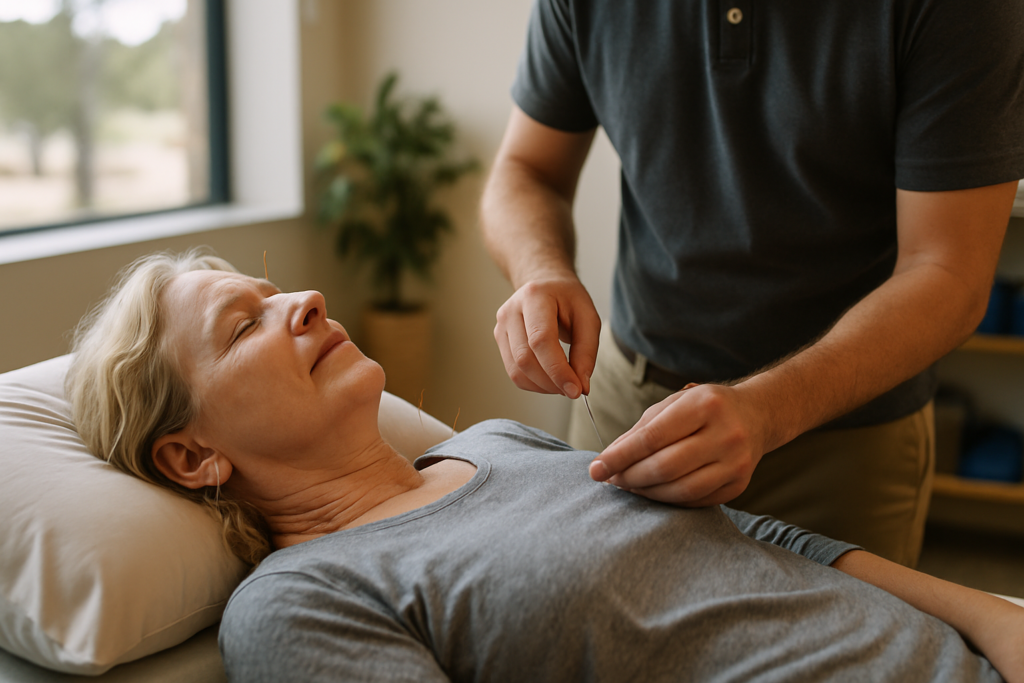
Ongoing Maintenance
Some individuals continue with occasional treatments after the initial phase to help manage physically demanding routines, chronic arthritis, old injuries, or recurring headaches.
So when asking how long does acupuncture take to work in Grapevine, TX, a realistic expectation is that some relief may happen early, but lasting improvement often builds over a course of care.
How Many Acupuncture Sessions Are Needed in Grapevine, TX?
Another common question is how many acupuncture sessions are needed in Grapevine, TX. While only an in-person evaluation can determine the most appropriate plan, general ranges are helpful:
- Acute pain or recent strain: Often a few visits over a short period
- Moderate recurring pain: Often several sessions over a few weeks
- Chronic pain or nerve-related issues: Often a longer plan with reassessment along the way
- Supportive maintenance: Occasional follow-up sessions after improvement
Practitioners usually recommend a schedule based on the patient’s starting point and how the body responds early on. The goal is not simply to chase symptoms, but to create enough treatment consistency for the effects to build.
Condition-by-Condition Acupuncture Results Timeline in Grapevine, TX
Back and Neck Pain
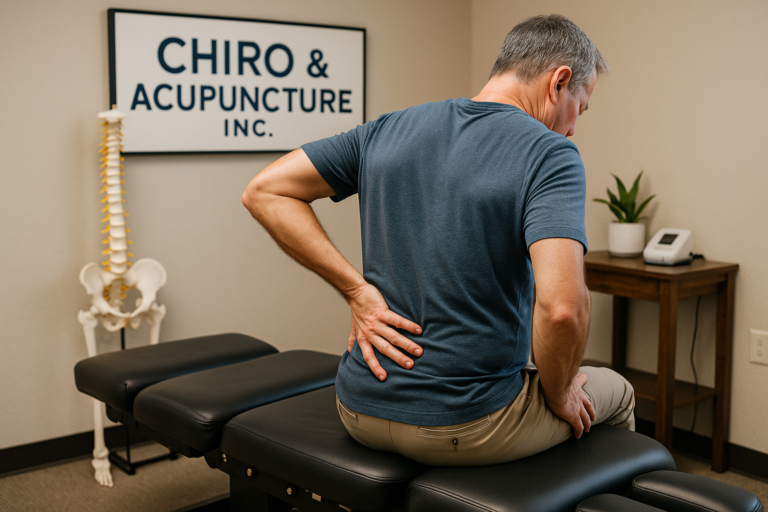
Back and neck pain are among the most common reasons people seek acupuncture. If the discomfort is related to recent strain, poor posture, overuse, or muscular tension, some patients feel relief within the first one to three sessions. Chronic pain, especially if it involves longstanding stiffness, disc irritation, or compensatory movement patterns, usually takes longer.
Patients often report the earliest benefits as reduced tightness, easier turning, and less pain during sitting, standing, or getting out of bed. More persistent pain may require a broader treatment plan that addresses both pain control and restoration of movement.
Sciatica
Sciatica can be more unpredictable because symptoms may involve nerve irritation, inflammation, muscle guarding, and pain radiating from the low back into the leg. Some people feel a decrease in sharpness or frequency of symptoms after a few treatments, while others improve more gradually.
In many cases, sciatica does not resolve from a single session. It often requires a series of treatments, especially if symptoms have been present for a long time or are aggravated by daily work demands, prolonged sitting, or spinal stress. Combining personalized acupuncture care with therapies aimed at reducing inflammation and supporting tissue healing may be part of a more comprehensive strategy.
Headaches and Migraines
Patients with tension headaches may feel relief quickly if muscle tightness and stress are major triggers. Migraine patterns can be more complex. Some people experience fewer headache days, lower intensity, or shorter episodes after several sessions rather than a dramatic immediate change.
With recurring headaches, an important sign of progress is often pattern improvement. For example, headaches may still occur, but they may become less disabling or respond better to rest and routine care. Tracking frequency and severity between sessions can be helpful.
Shoulder Pain
Shoulder pain may stem from overuse, tendon irritation, muscle imbalance, restricted movement, or referred tension from the neck and upper back. Mild to moderate cases sometimes improve relatively quickly, especially when pain is mostly muscular. If the problem involves tendonitis, limited range of motion, or repetitive strain, a patient may need a longer course of care.
Common early signs of improvement include better reaching, easier dressing, less night discomfort, and reduced pain during work or exercise.
Knee Pain
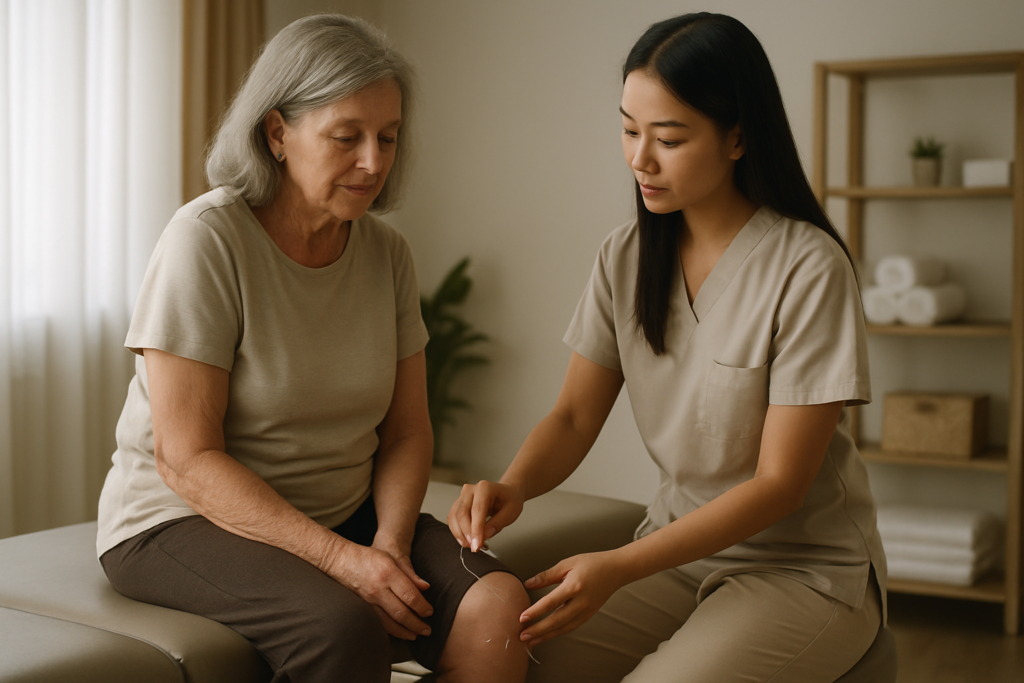
Knee pain can respond well when treatment addresses both pain and inflammation. If symptoms are related to overuse or a recent flare-up, changes may appear within a few visits. Arthritis-related knee pain may improve more gradually, with progress often showing up as easier walking, less stiffness, and improved tolerance for stairs or standing.
Long-standing joint pain usually needs patience. Rather than expecting instant resolution, patients should look for a gradual trend toward better function and less irritation.
Sports Injuries
For sports injuries, the timeline depends on the tissue involved and whether the injury is acute or repetitive. Muscle strains may calm down fairly quickly, while tendon problems often require more time because tendons generally heal slowly. Athletes may notice reduced soreness, improved mobility, and faster recovery between activities before full pain relief occurs.
This is an area where combining traditional techniques with modern therapies can be especially valuable when the goal is to support tissue recovery while reducing inflammation.
Whiplash from Auto Accidents
Whiplash often involves neck pain, stiffness, headaches, upper back tension, and reduced range of motion. Some symptoms can appear immediately, while others build over days. Patients may feel some relief early, but more complete recovery usually requires a structured treatment plan, especially if the injury has affected multiple areas.
A key point with whiplash is that pain may not be limited to one spot. Treatment may need to address muscular guarding, inflammation, movement restrictions, and related headaches together.
Arthritis and Joint Pain
Arthritis pain is usually chronic, which means the goal is often ongoing management rather than a one-time fix. Acupuncture may help reduce stiffness, support mobility, and decrease discomfort, but the response is usually cumulative. Patients with arthritis often benefit most when they stay consistent and track functional wins, such as getting up more easily, walking longer, or feeling less stiff in the morning.
Because arthritis can involve persistent joint inflammation and wear-related changes, improvement may be gradual. That does not mean treatment is not working; it means expectations should center on steady support and quality of life.
Why Chronic Conditions Usually Take Longer
Many people wonder why a condition they have had for months or years does not change after one appointment. Chronic pain often reflects more than one issue at a time. There may be inflammation, protective muscle tension, altered movement patterns, sleep disruption, and heightened sensitivity in the nervous system. The body may need repeated, consistent input before those patterns begin to shift.
This is why chronic back pain, sciatica, arthritis, old sports injuries, and persistent headaches often require a longer acupuncture results timeline in Grapevine, TX than a recent strain or short-lived flare-up.
How Supportive Therapies Can Influence the Timeline
At Chiro & Acupuncture Inc., treatment may include both traditional acupuncture approaches and modern options such as Stemwave therapy. Stemwave uses sound waves to stimulate tissue regeneration and reduce inflammation, which may be especially relevant for conditions like sciatica, tendonitis, and other painful musculoskeletal issues.
When care is personalized and multiple contributing factors are addressed, patients may feel that their treatment plan better matches the complexity of their symptoms. The right combination depends on the condition, pain history, and recovery goals. This kind of individualized care can be important for people whose pain is not caused by a single simple issue.
Signs Acupuncture Is Helping Even Before Pain Is Gone
Not all progress shows up as immediate full pain relief. Patients sometimes overlook meaningful signs that treatment is working because they are focusing only on whether the pain has completely disappeared. Positive changes may include:
- Symptoms are less intense
- Flare-ups happen less often
- Pain does not last as long
- Movement feels easier
- Sleep improves
- Less reliance on rest after activity
- Daily tasks feel more manageable
These smaller improvements often appear before major symptom resolution and can show that the body is responding in the right direction.
What Patients Can Do Between Sessions
The effectiveness of treatment is often influenced by what happens outside the clinic as well. Patients may support better outcomes by following practical recovery habits:
- Stay hydrated after treatment
- Pay attention to changes in pain, mobility, and energy
- Avoid overexertion if symptoms are improving but not resolved
- Follow any movement or recovery recommendations given by the provider
- Stay consistent with the recommended treatment schedule
For many conditions, progress is not linear. A person may have a very good day, then mild soreness, then stronger improvement after the next session. Tracking trends over time is more useful than judging every treatment in isolation.
When to Reassess Expectations
Acupuncture should be individualized, and a good treatment plan includes regular reassessment. If symptoms are not changing at all after an appropriate trial of care, the provider may need to modify the approach, look more closely at contributing factors, or incorporate additional therapies. Clear communication matters. Patients should describe not only pain levels, but also whether movement, sleep, or daily function are changing.
The question is not always, “Did the pain vanish?” Sometimes the more useful question is, “Are things moving in the right direction?”
Conclusion
So, how long does acupuncture take to work in Grapevine, TX? For some patients, noticeable relief starts after the first session. For others, especially those with chronic or complex pain, improvement develops more gradually over several visits. The condition being treated matters greatly. Muscle tension, recent strains, and some headaches may respond relatively quickly, while sciatica, arthritis, tendon irritation, and long-standing back or neck pain often require a longer course of care.
Understanding the typical acupuncture results timeline in Grapevine, TX can help patients approach treatment with realistic expectations. It is also important to know what to expect after acupuncture in Grapevine, TX: relief may be immediate, delayed, or subtle at first, and progress often includes better movement, less frequent flare-ups, and improved function before complete pain resolution. Because every case is different, how many acupuncture sessions are needed in Grapevine, TX depends on symptom history, severity, and the body’s response over time.
For patients seeking a personalized approach, a thoughtful plan that may combine traditional acupuncture with supportive modern therapies can offer a more complete path toward lasting pain relief and better day-to-day function.