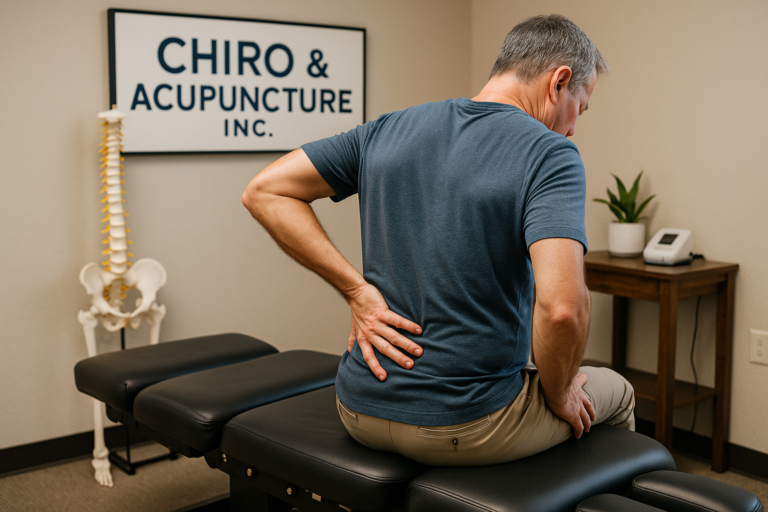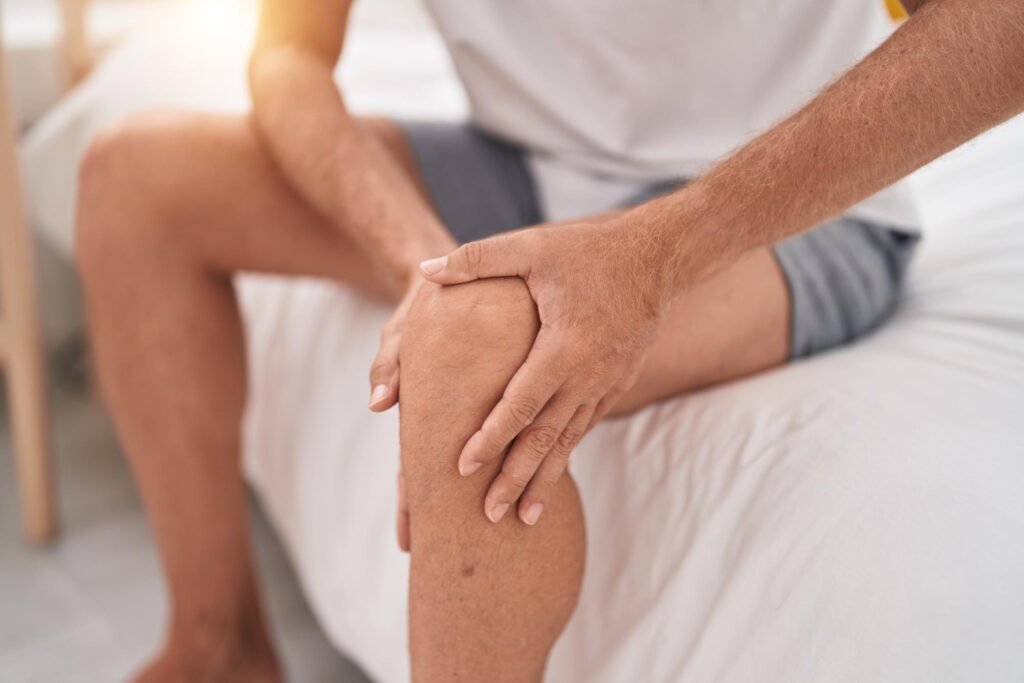
Arthritis and ongoing joint pain can affect nearly every part of daily life, from getting out of bed in the morning to walking, driving, working, or enjoying time with family. For many people, the discomfort is not limited to one area. Knees, hips, shoulders, hands, neck, and low back can all become stiff, sore, or less reliable over time. While medication can play an important role for some individuals, many people also look for natural, non-drug ways to feel better and move more comfortably.
If you are searching for arthritis joint pain relief in Grapevine, TX, it helps to understand the range of supportive options available. Non-drug strategies do not promise a cure for arthritis, but they may help reduce tension, improve mobility, support function, and make daily activities easier. A thoughtful plan often combines several approaches, such as hands-on care, therapeutic movement, healthy lifestyle habits, and practical changes at home or work.
This article explains common types of arthritis, why joints become painful, and how approaches such as acupuncture for arthritis pain, chiropractic care for joint pain, exercise, posture support, and self-care may fit into a broader wellness plan.
Understanding Arthritis and Joint Pain
Arthritis is a broad term used to describe joint inflammation and related conditions that cause pain, stiffness, swelling, or reduced motion. Some of the most common forms include osteoarthritis, rheumatoid arthritis, and other inflammatory joint conditions. Even when the cause differs, the result is often similar: movement becomes harder, tissues feel irritated, and the body may begin to compensate in ways that create additional strain.
Osteoarthritis is often associated with gradual wear and changes in joint cartilage and surrounding tissues. It frequently affects the knees, hips, hands, and spine. Rheumatoid arthritis is an autoimmune condition that can cause inflammation in multiple joints and may lead to flare-ups. People may also deal with bursitis, tendon irritation, old injuries, or chronic spinal stiffness that adds to overall joint pain.
Joint discomfort is rarely just about the joint itself. Muscles may tighten to protect an area. Balance can change. Walking patterns may shift. Reduced activity can weaken the surrounding support structures. This is one reason why a non-drug plan often looks beyond the sore joint alone and considers the whole movement system.
Why Many People Seek Non-Drug Arthritis Treatment in Grapevine
People explore non drug arthritis treatment in Grapevine for different reasons. Some want to limit how often they rely on pain relievers. Others are interested in a more holistic plan that supports mobility and function rather than only masking symptoms. Many simply want practical ways to stay active and maintain independence.
Non-drug care may be especially appealing because arthritis management is usually long term. A person with chronic joint pain often benefits from sustainable habits and conservative therapies that can be incorporated into everyday life. These may include guided stretching, manual care, acupuncture, supportive exercise, weight management, stress reduction, and changes in footwear or workstation setup.
Natural relief does not mean ignoring medical care. In fact, the best outcomes often come from combining professional evaluation with safe lifestyle strategies. It is important to know when symptoms need prompt medical attention, especially if pain is sudden, severe, accompanied by fever, follows an injury, or causes major swelling, redness, or inability to bear weight.
How Acupuncture May Help Arthritis Pain
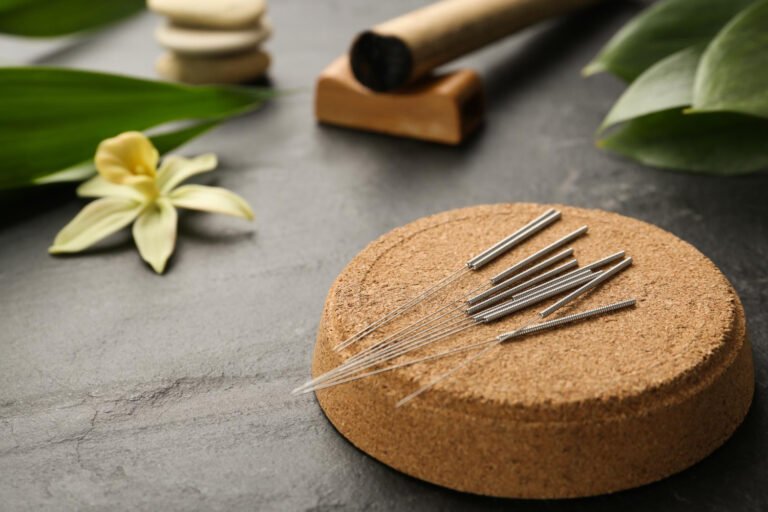
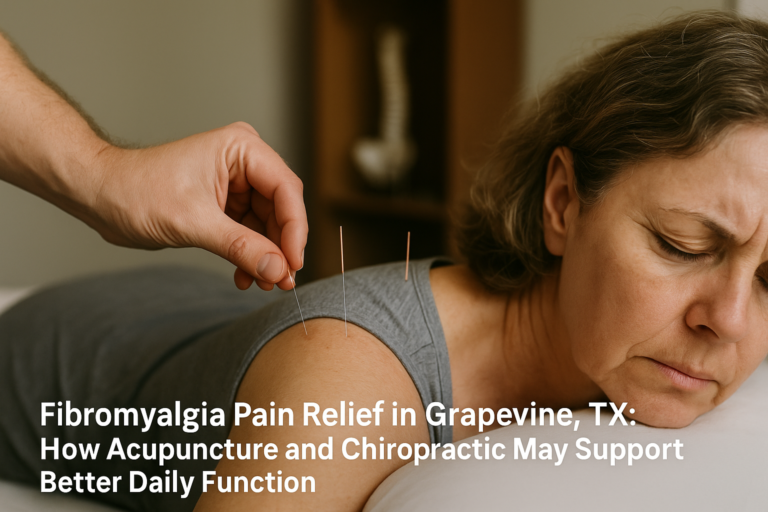
Acupuncture for arthritis pain is a commonly used supportive therapy for people looking for a non-drug approach. Traditional acupuncture uses very thin needles placed at specific points on the body. Many people seek it to help with pain, stiffness, tension, and general relaxation.
From a modern perspective, acupuncture may support the body in several ways. It may influence pain signaling, encourage circulation in local tissues, and help reduce muscle guarding around sore joints. Some people also report that they feel calmer and sleep better after treatment, which can matter because poor sleep and stress often make chronic pain feel worse.
Joints and Areas Commonly Addressed With Acupuncture
Acupuncture may be used as part of supportive care for pain involving the:
- Knees
- Hips
- Shoulders
- Hands and wrists
- Neck
- Low back and sacroiliac region
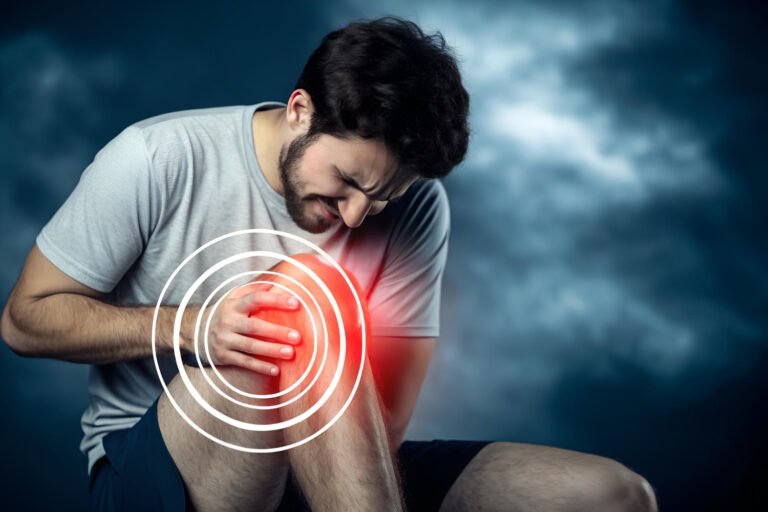
For example, a person with knee osteoarthritis may deal not only with pain in the knee joint itself but also tightness in the thigh, calf, and hip muscles. Another individual with arthritis in the hands may notice gripping weakness and soreness that makes cooking or typing more difficult. Acupuncture may be included in a broader plan to address these related patterns of discomfort.
What to Keep in Mind
Acupuncture is not a cure for arthritis, and results vary from person to person. Some individuals notice relief quickly, while others benefit more gradually with a series of visits and continued self-care. The approach is usually most helpful when paired with movement, ergonomic changes, and healthy daily habits rather than used as a stand-alone solution.
How Chiropractic Care May Support Joint Comfort and Mobility
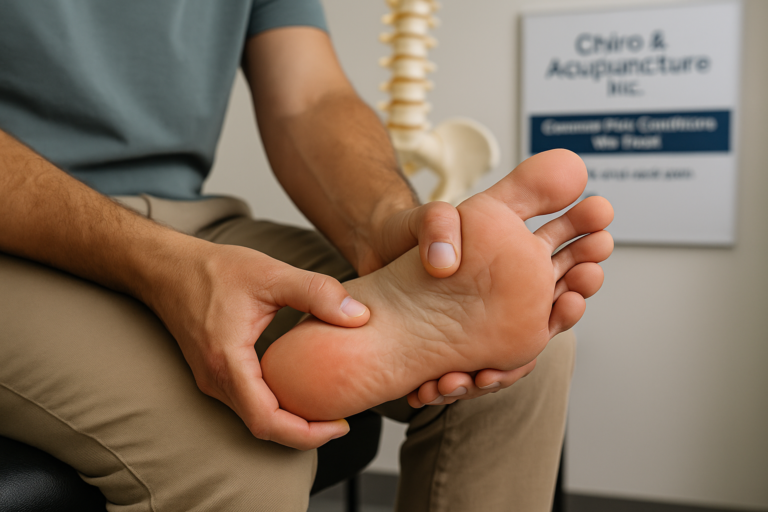
Chiropractic care for joint pain is another non-drug option many people consider. Although chiropractic care is often associated with the spine, it may also be part of a broader musculoskeletal approach that looks at alignment, movement quality, muscle tension, and joint mechanics throughout the body.
When one area becomes stiff or painful, nearby regions often have to compensate. For example, reduced hip motion may contribute to low back stress. Poor thoracic mobility can affect shoulder function. Chronic knee pain may alter walking mechanics and create tension above or below the joint. Chiropractic evaluation may help identify these movement patterns.
Potential Goals of Chiropractic Care
In people dealing with arthritis-related discomfort, chiropractic care may focus on goals such as:
- Improving joint mobility where stiffness is contributing to strain
- Reducing muscular tension around affected areas
- Supporting better posture and body mechanics
- Helping the spine and extremities move more efficiently together
- Encouraging functional movement for daily activities
Care may include manual techniques, soft tissue work, mobility guidance, and home exercise recommendations. For someone with neck and shoulder arthritis, treatment might aim to improve upper back motion and reduce surrounding tension. For someone with hip or knee stiffness, attention may be given to gait, pelvic balance, and the flexibility of nearby muscles.
Because arthritis varies widely, care should be individualized. Some joints may be too inflamed or sensitive for certain techniques, and people with inflammatory arthritis, osteoporosis, recent surgery, or complex medical histories should be carefully evaluated so the care plan matches their needs.
Movement Is Medicine When It Is Done Wisely
One of the most effective non-drug strategies for arthritis is regular, appropriate movement. This can feel counterintuitive when a joint hurts. Many people naturally reduce activity to avoid discomfort. However, too little movement often leads to more stiffness, weaker muscles, poorer balance, and less support for the joints.
The key is not intense exercise. The goal is consistent, joint-friendly activity that improves circulation, flexibility, and strength without overloading irritated tissues.
Helpful Types of Exercise
Many people with arthritis do well with:
- Walking on level surfaces
- Gentle stretching
- Range-of-motion exercises
- Strength training with light resistance
- Water exercise or swimming
- Stationary cycling
- Tai chi or controlled balance work
As an example, someone with knee arthritis may benefit from strengthening the quadriceps, glutes, and core while also improving ankle and hip mobility. A person with hand arthritis may use gentle mobility drills and grip-modifying tools to reduce strain during everyday tasks. The right exercise plan depends on the joint involved, the person’s current ability, and whether symptoms are stable or flaring.
Pacing Matters
It is common to overdo activity on a good day and then feel worse afterward. Pacing is an important skill for long-term arthritis management. Short, regular sessions are often better than occasional bursts of intense effort. Building tolerance gradually helps many people stay more consistent and avoid setbacks.
Weight Management and Joint Load
For weight-bearing joints such as the knees, hips, feet, and lower back, body weight can have a meaningful impact on comfort during standing and walking. Even modest, sustainable changes in daily habits may help reduce mechanical stress on the joints over time.
Weight management is not about perfection or crash diets. It is about supporting overall health with realistic nutrition and activity habits. A balanced pattern that emphasizes vegetables, fruit, protein, fiber-rich foods, and adequate hydration may complement other non-drug approaches. People living with arthritis often find that small improvements in energy, sleep, and inflammation-related habits can support their mobility goals.
Posture, Ergonomics, and Everyday Movement Habits
Arthritis pain is often aggravated by repetitive strain and poor body mechanics. The way a person sits, stands, lifts, types, sleeps, or drives can either support healing or keep irritation going.
Simple Adjustments That May Help
- Use a supportive chair that allows feet to rest flat
- Keep screens at eye level to reduce neck strain
- Take movement breaks during long periods of sitting
- Use both hands to carry heavier items when possible
- Choose shoes with cushioning and stability
- Avoid prolonged positions that increase stiffness
- Use assistive tools for gripping, opening, or reaching if hand pain is significant
For someone with low back and hip arthritis, long car rides may increase stiffness unless they stop periodically to walk and stretch. A desk worker with neck, shoulder, or hand pain may need keyboard positioning, arm support, or posture changes to reduce repeated joint stress throughout the day.
Heat, Cold, and Home Care Strategies
Simple home care measures can also be part of a natural plan for joint pain relief. Heat may help loosen stiff joints and tight muscles, especially in the morning or before movement. Cold may be more helpful after activity or during flare-ups when swelling and irritation feel more active.
Many people benefit from alternating professional care with at-home support, such as:
- Warm showers or heating pads for stiffness
- Cold packs for sore, inflamed areas
- Gentle stretching after warming tissues
- Rest breaks during repetitive tasks
- Supportive braces or sleeves when appropriate
These tools are simple, but they can make a noticeable difference when used consistently and safely. It is still wise to avoid extremes of temperature and to protect the skin during use.
The Role of Sleep and Stress in Chronic Joint Pain
Arthritis is not purely mechanical. Sleep quality, stress levels, and emotional strain can all influence how pain is experienced. Poor sleep may increase pain sensitivity, reduce patience for activity, and slow recovery. Ongoing stress can contribute to muscle tension, shallow breathing, and flare-ups in pain perception.
For this reason, a natural approach to arthritis often includes attention to nervous system regulation and rest. Acupuncture, gentle exercise, breathing practices, mindfulness, and evening routines that support sleep may be useful additions to care. While these strategies may seem indirect, many people find that better sleep and lower tension improve how well they cope with physical symptoms.
Combining Therapies for Better Day-to-Day Function
Arthritis management often works best when multiple conservative strategies are combined. A person looking for arthritis joint pain relief in Grapevine, TX may not need to rely on one method alone. Instead, they may do best with a layered plan that addresses pain, movement, lifestyle, and daily habits together.
A practical example might look like this:
- Acupuncture sessions to help reduce pain and muscle guarding
- Chiropractic or manual care to improve movement patterns and joint mechanics
- Home exercises to build strength and mobility
- Walking or aquatic exercise for regular low-impact activity
- Workstation or footwear changes to reduce repeated strain
- Heat, stretching, and pacing strategies for symptom control
This kind of combined approach may be especially useful for people who have more than one painful area or who have developed compensations over time. Someone with arthritic knee pain, for example, may also need attention to the hips, low back, and gait pattern to move more comfortably overall.
Important Considerations Before Starting Conservative Care
Natural and non-drug therapies can be very helpful, but they should still be approached thoughtfully. Not all joint pain is the same, and not every therapy fits every person. A careful health history matters, especially for those with autoimmune disease, fracture history, advanced osteoporosis, joint replacement, nerve symptoms, unexplained swelling, or sudden changes in pain.
It is important to seek medical evaluation promptly if you have:
- Sudden severe joint pain
- Marked swelling, warmth, or redness
- Fever with joint symptoms
- Loss of function after a fall or injury
- Numbness, weakness, or major balance changes
- Unexplained weight loss or persistent fatigue along with pain
These signs may indicate a condition that needs diagnosis or urgent treatment beyond conservative supportive care.
Finding a Sustainable Path Forward in Grapevine
Living with arthritis can be frustrating, especially when symptoms fluctuate. Some days may feel manageable, while others bring stiffness and limitation that make routine tasks harder. The encouraging news is that many people can improve their day-to-day comfort by focusing on steady, realistic strategies rather than waiting for a single perfect solution.
If you are exploring non drug arthritis treatment in Grapevine, it may help to think in terms of function. Can you walk more comfortably? Sleep with less interruption? Use your hands more easily? Turn your head with less stiffness? Climb stairs with more confidence? Small gains in these areas can add up to a meaningful improvement in quality of life.
Natural care is often most effective when it is personalized, consistent, and combined with smart self-management. That may include acupuncture for arthritis pain, chiropractic care for joint pain, guided exercise, posture improvements, and daily recovery habits that support the joints over time.
Conclusion
Arthritis and chronic joint pain can affect comfort, mobility, and independence, but medication is not the only option people consider. Conservative, non-drug approaches may play a valuable role in helping reduce stiffness, improve movement, and support better function in everyday life. Acupuncture, chiropractic care, low-impact exercise, pacing, posture support, weight management, and home care strategies can all be part of a balanced plan.
For those seeking arthritis joint pain relief in Grapevine, TX, the most helpful approach is usually not a quick fix. It is a steady, informed strategy that looks at the whole person, the affected joints, and the habits that influence pain from day to day. With the right guidance and consistent self-care, many people find practical ways to move more comfortably and stay engaged in the activities that matter most.