
Recover from Whiplash After a Car Accident — Natural Chiropractic & Acupuncture Care in Grapevine, TX
Whiplash is a neck injury caused by the rapid back-and-forth motion of the head during a car collision. It commonly produces ligament sprain, muscle strain, and joint irritation that show up as pain, stiffness, and limited movement. This guide outlines how non-surgical, integrative care — specifically chiropractic and acupuncture — can work together to ease pain, restore range of motion, and support lasting function after a car accident. You’ll learn to spot common whiplash symptoms, understand the basic physiological causes, review evidence-based chiropractic and acupuncture options, and follow safe at-home recovery steps and progressive exercises. We also map the typical patient journey for Grapevine residents, including what happens at a complimentary initial consultation and tips for verifying insurance and scheduling care. The goal is to give clear, actionable information so you can pursue natural treatment confidently and know when to seek professional evaluation.
What Are the Common Whiplash Symptoms After a Car Accident?
Whiplash can cause a mix of symptoms tied to soft-tissue damage, joint dysfunction, and possible nerve irritation in the neck. Symptoms may start right away or develop hours to days later as inflammation increases. Recognizing warning signs early helps you get timely care and reduces the chance of persistent whiplash-associated problems. Below are the main symptoms to watch for after a collision, why they occur, and when to seek professional assessment.
Typical whiplash symptoms include neck pain and stiffness, headaches that begin at the base of the skull, tightness across the shoulders and upper back, dizziness or imbalance, numbness or tingling that travels into the arms, and generalized fatigue from disrupted sleep and ongoing pain. These come from injured cervical ligaments and facet joints, irritated nerve roots, and protective muscle guarding that limits normal motion. Because symptoms can be delayed, monitor for any worsening or new signs over the first 72 hours. Early care can reduce inflammation, restore movement, and help determine whether imaging or further evaluation is needed to rule out red flags.
Which Neck and Head Symptoms Indicate Whiplash?
Signs that point to whiplash rather than simple soreness include persistent localized neck pain, trouble turning your head without pain, and headaches that start in the occiput and move forward (cervicogenic headaches). These symptoms often reflect involvement of the cervical facet joints, strain of the facet capsule, or referred pain from the upper cervical segments. If nerve roots are irritated, you may feel burning or numbness down the shoulder and arm. Seek immediate emergency care for red flags such as progressive weakness, loss of bowel or bladder control, or any head injury symptoms like loss of consciousness — these are rare in routine whiplash but require urgent attention. Early pattern recognition helps guide conservative care and appropriate imaging decisions.
How Does Whiplash Affect Mobility and Daily Activities?
Whiplash often reduces neck range of motion, making everyday tasks — checking blind spots while driving, bending to pick up children, or holding a phone — uncomfortable or difficult. It can also interfere with sleep because of awkward sleeping positions and morning stiffness. Functional limits may lead to reduced work capacity, less exercise, and higher stress, which can amplify pain through central sensitization if left untreated. With focused rehabilitation, many patients see steady improvement in pain and rotation within weeks, though full recovery depends on injury severity and other health factors. Early movement, graded exercise, and targeted manual therapies help lessen disability and speed a return to normal activity.
How Does Chiropractic Care Help Whiplash Recovery in Grapevine, TX?
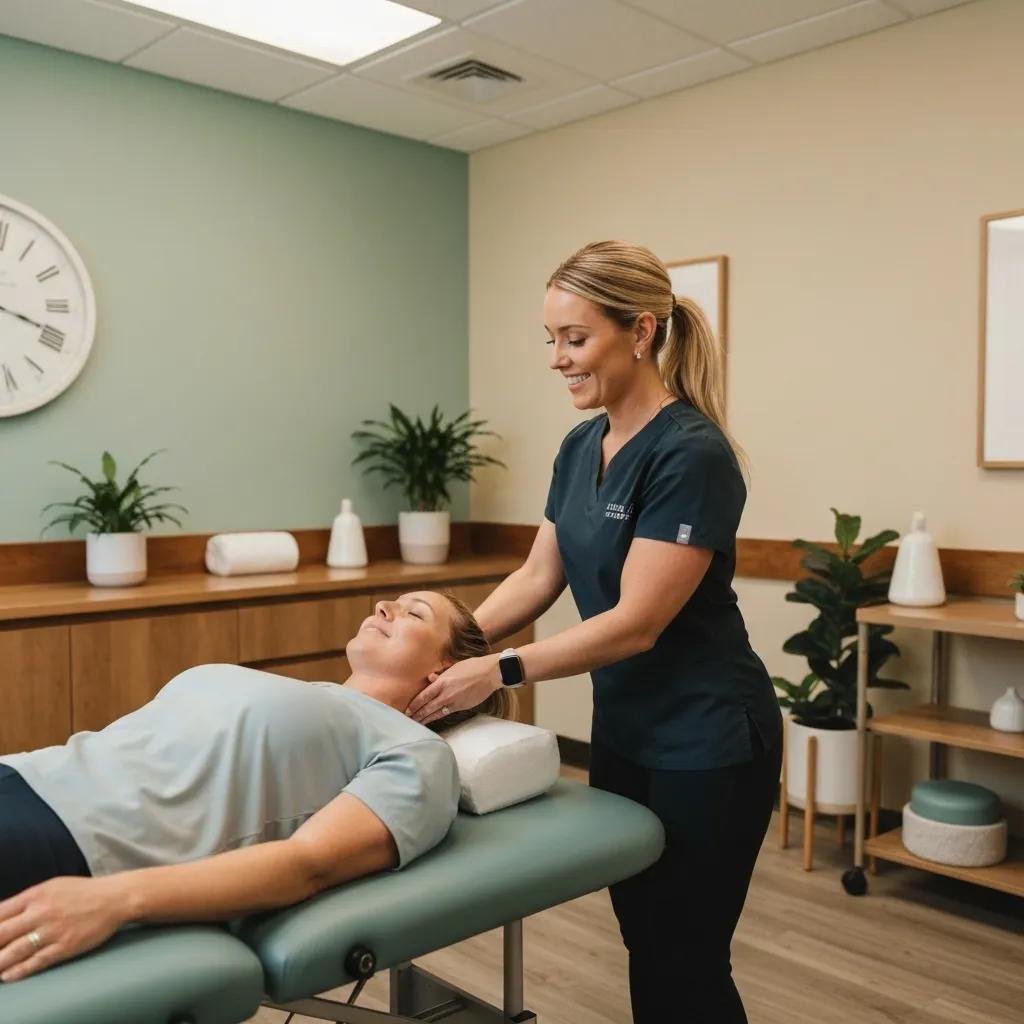
Chiropractic care for whiplash focuses on restoring normal spinal mechanics with targeted manual treatments that reduce joint restriction, calm nerve irritation, and ease muscle tightness — all of which improve pain and mobility. By addressing misalignment or reduced motion in the cervical vertebrae (C1–C7), adjustments and mobilizations lower abnormal stress on discs and facet joints, supporting natural tissue healing and neuromuscular retraining. Below is a concise comparison of common chiropractic approaches used in whiplash rehab so patients can understand procedure types, typical frequency, and expected benefits.
Chiropractic care for whiplash commonly combines precise cervical adjustments, gentle mobilization, soft-tissue work on the sternocleidomastoid and trapezius, and rehabilitative exercises to retrain deep neck flexors. These interventions reduce nociceptive input and improve proprioception around injured segments, speeding relief and functional recovery. Locally, Chiro & Acupuncture Inc. blends spinal biomechanics with Eastern and Western methods; a brief, clinic-specific assessment and a tailored adjustment plan can be reviewed during your complimentary consultation. If you’re interested in a natural, mobility-focused approach, schedule an initial consult to discuss a personalized plan.
Introductory comparison of chiropractic techniques and their patient-facing expectations follows in the table below to clarify choices and outcomes.
What Chiropractic Techniques Are Used for Whiplash Pain Relief?
Common chiropractic methods for whiplash include cervical adjustments, joint mobilization, myofascial release, and structured exercise programs aimed at restoring stability and movement control. Adjustments apply specific forces to segmental joints to reduce hypomobility and nerve irritation, while mobilization offers gentler, graded motion for acute or sensitive cases. Soft-tissue techniques address protective muscle guarding and adhesions. Rehabilitation focuses on strengthening deep neck flexors and scapular stabilizers to lower the chance of recurrence, with progress measured by changes in pain and range of motion. Together, these therapies form a multimodal pathway from acute symptom control to lasting functional resilience.
Chiropractic Management for Whiplash-Associated Disorders: A Systematic Review
This systematic review synthesizes the literature on chiropractic care for Whiplash-Associated Disorders (WAD) to answer whether chiropractic management improves outcomes for adults with WAD and to inform best practices within the chiropractic community.
A systematic review of chiropractic management of adults with Whiplash-Associated Disorders: recommendations for advancing evidence-based practice and …, L Shaw, 2010
What Are the Expected Outcomes of Chiropractic Adjustments?
Patients following evidence-based chiropractic care for whiplash commonly report measurable pain reduction, better rotation and lateral flexion, and improved sleep quality within several weeks of consistent treatment — though individual recovery times vary. Clinicians track outcomes with pain scores, degrees of cervical rotation, headache frequency, and the return of daily or work activities without limitation. Imaging or specialist referral is recommended if red flags arise or if expected improvements plateau. Setting realistic goals and using objective measures helps clinicians and patients monitor recovery and adjust care when needed.
Can Acupuncture Provide Effective Pain Relief for Whiplash?
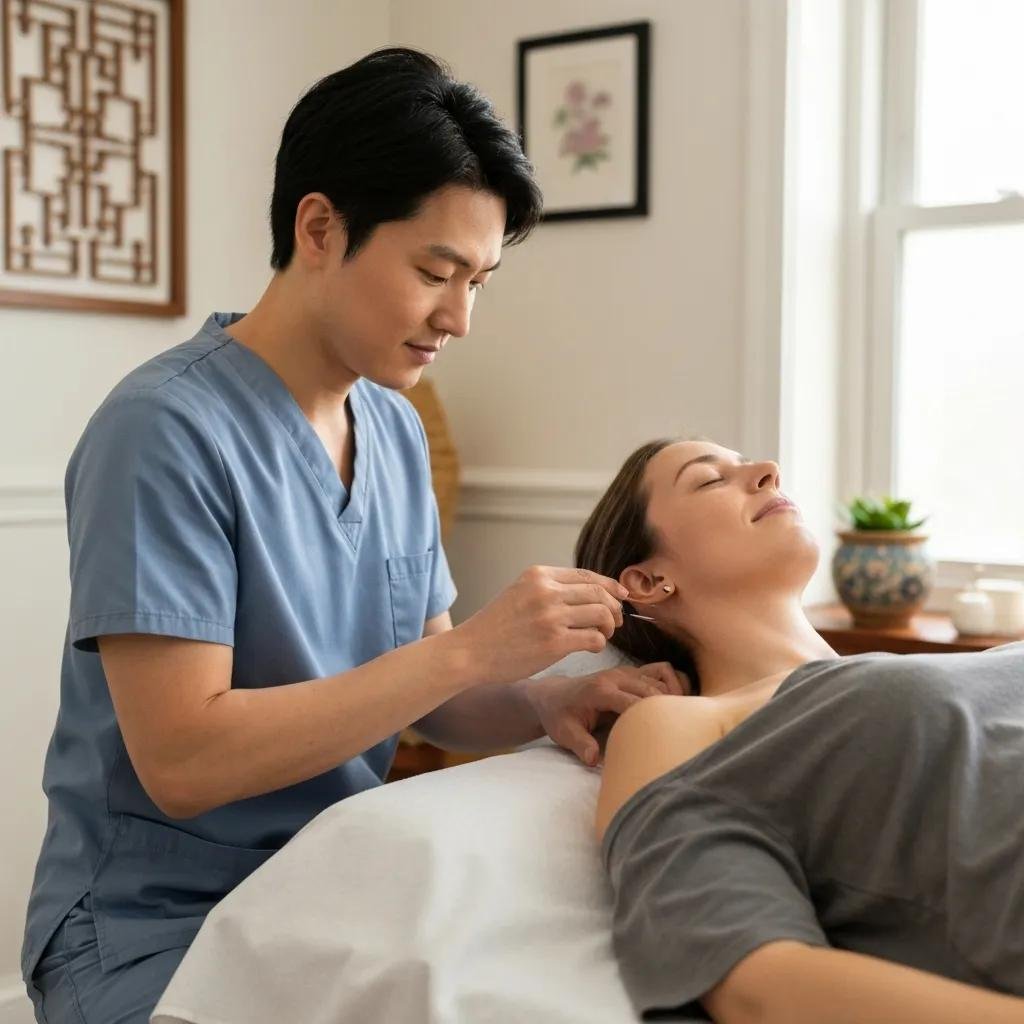
Yes. Acupuncture can reduce whiplash pain by modulating pain pathways, triggering endorphin release, and decreasing muscle hypertonicity. Recent clinical reviews through 2023 show moderate evidence that acupuncture helps neck pain and function when used alongside other treatments. Acupuncture works by influencing neural pathways at spinal and supraspinal levels, lowering central sensitization and helping muscles around injured cervical segments relax — which often improves range of motion and sleep. Many patients benefit most when acupuncture is combined with manual therapies: needling eases muscle hyperactivity while chiropractic adjustments restore joint mechanics.
Below is a compact comparison of common acupuncture approaches for whiplash recovery, with their mechanisms and typical patient outcomes.
Efficacy of Acupuncture for Whiplash Injury: A Systematic Review
This systematic review and meta-analysis evaluates clinical trials of acupuncture for whiplash-associated disorder (WAD) to determine whether acupuncture is an effective treatment option for WAD symptoms and function.
Efficacy of acupuncture for whiplash injury: a systematic review and meta-analysis, BC Shin, 2024
Which Acupuncture Points Are Targeted for Whiplash Recovery?
Practitioners often combine local points near the base of the skull (for example GB20 and BL10) with distal points such as LI4 and SI3 to address both peripheral muscle tension and central pain modulation. Local points help reduce muscle spasm and boost circulation in the neck, while distal points activate descending inhibitory pathways and support endorphin release for broader pain relief. Point selection is tailored to each patient’s symptom pattern, pain location, and related issues like headaches or shoulder pain, and is performed by licensed practitioners to ensure safety. When paired with manual therapy, acupuncture commonly enhances range-of-motion gains and reduces the frequency of painful spasms.
How Does Acupuncture Improve Range of Motion and Reduce Muscle Tension?
Acupuncture helps restore motion and ease muscle tension by decreasing nociceptive signaling, improving local blood flow, and relaxing hypertonic neck muscles — all of which remove barriers to normal joint mechanics. Neurophysiologically, acupuncture activates endogenous opioids and modulates spinal interneurons, which lowers central sensitization and increases movement tolerance. Clinically, many patients notice less pain with deeper neck flexion and rotation after a few sessions. When needling is combined with rehabilitative exercises, those short-term gains often translate into more sustained improvement. This neuromuscular synergy is why integrated chiropractic-acupuncture care can speed recovery compared with single-modality treatment.
Chiropractic and Acupuncture for Neck Pain and Whiplash Recovery
This review examines complementary and alternative approaches for neck pain — including chiropractic and acupuncture — and discusses their roles and evidence for conditions like acute whiplash. It highlights that combining manual therapies and physical modalities may benefit patients with whiplash-associated disorders.
Complementary and alternative treatment for neck pain: chiropractic, acupuncture, TENS, massage, yoga, Tai Chi, and Feldenkrais, 2011
What Are Natural Whiplash Recovery Methods and Home Care Tips?

Natural whiplash recovery relies on early anti-inflammatory measures, progressive mobility and strengthening exercises, ergonomic adjustments, and sleep-position strategies that protect healing cervical tissues while supporting gradual conditioning. Self-care aims to manage acute pain without long-term immobilization, restore neuromuscular control with targeted exercises, and lower recurrence risk by addressing posture and daily habits that strain the neck. The table below compares common home-care options by timing, frequency, and primary benefit to help you choose safe initial steps and a sensible progression.
Which Exercises Support Whiplash Healing and Prevent Recurrence?
A progressive exercise program starts with gentle isometrics and chin tucks, moves to active range-of-motion and scapular retraction drills, and later adds resistance and endurance work for deep neck flexors and scapular stabilizers. Early exercises reduce pain and muscle guarding by encouraging safe movement without overloading injured tissues — for example, chin tucks retrain deep neck flexors and improve posture, while scapular squeezes rebalance the shoulder girdle. Begin with several short daily sessions and progress to clinic-supervised strengthening as symptoms allow. A clinician should guide advancement to minimize the risk of aggravation and reduce recurrence.
Recommended early exercises for whiplash recovery include:
- Chin Tucks: Sit tall and gently draw the chin back, hold 5–10 seconds, repeat 10 times three times daily.
- Isometric Side Bends: Press the head gently into your palm without moving the neck, hold 5–8 seconds, repeat 8–10 times per side.
- Scapular Retractions: Squeeze shoulder blades together, hold 5 seconds, repeat 10–15 times twice daily.
These exercises offer a safe, structured way to rebuild mobility and strength. Always advance under professional guidance to avoid making symptoms worse.
How Can Lifestyle Adjustments Enhance Long-Term Whiplash Recovery?
Simple lifestyle changes — improving workstation ergonomics, choosing supportive pillows and sleep positions, keeping up cardiovascular fitness, and managing stress — reduce mechanical strain on healing neck structures and lower the chance of chronic symptoms. Good posture and regular movement breaks during prolonged sitting prevent sustained cervical loading, while proper sleep alignment preserves spinal curves and cuts morning stiffness. Stress-reduction techniques and a graded return to activity also help limit central sensitization and support steady pain improvement. Making these adjustments part of daily life complements in-clinic care and helps maintain recovery over the long term.
What to Expect During Your Whiplash Treatment Journey at Chiro & Acupuncture Inc. in Grapevine?
At Chiro & Acupuncture Inc., whiplash care follows clear phases — acute symptom control, restorative rehabilitation, and ongoing maintenance — delivered by a team combining chiropractic and acupuncture skills to encourage natural recovery and measurable functional gains. The clinic emphasizes spinal biomechanics and an integrative approach, and offers a complimentary initial consultation to review your history, assess movement and neurological function, and outline a personalized plan that may include both chiropractic adjustments and acupuncture. Below is a numbered overview of typical phases and what each team member focuses on so you know what to expect as you progress.
- Acute Phase: Rapid pain relief with gentle manual therapy, acupuncture, and home-care instruction to limit inflammation and protect function.
- Restorative Phase: Progressive strengthening, mobilization, and combined chiropractic-acupuncture sessions to restore range of motion and activity tolerance.
- Maintenance Phase: Periodic tune-ups, ergonomic coaching, and adherence to home exercises to prevent recurrence and support long-term wellness.
This phased pathway shows how treatment intensity changes with recovery and what markers — like pain scores and range of motion — guide progression.
How Is the Initial Consultation for Whiplash Conducted?
The complimentary initial consultation starts with a focused history of the car accident and your symptom timeline, followed by a physical exam that checks range of motion, posture, and a basic neurological screen to identify radiculopathy or red flags that might require imaging or referral. Clinicians will review prior care, current medications, and daily limitations, then outline evidence-based options — including chiropractic and acupuncture — tailored to your needs. The visit ends with a recommended plan of care and scheduling details; any documentation or insurance questions are handled as part of intake. This stepwise approach helps you feel informed and ready to begin active rehabilitation.
What Are the Phases of Chiropractic and Acupuncture Care?
Chiropractic and acupuncture care typically follow three complementary phases: acute management to relieve pain and protect tissues, restorative rehabilitation to rebuild mobility and strength, and maintenance to prevent recurrence and optimize function. Acute treatments focus on gentle mobilization and targeted needling to reduce inflammation and muscle guarding. Restorative work adds progressive loading, neuromuscular control exercises, and manual corrections. Maintenance care emphasizes ergonomics, regular conditioning, and periodic reassessment to preserve gains and minimize flare-ups. Objective markers — such as lower pain scores and improved rotation — help measure progress and guide treatment adjustments.
How Can Grapevine Residents Access Whiplash Treatment: Insurance and Appointment Information?
If you live in Grapevine and need whiplash care, prepare to verify your insurance and request an appointment online or by calling the clinic. Chiro & Acupuncture Inc. accepts many plans and offers a complimentary consultation to evaluate injuries and recommend a care plan. Because coverage varies by insurer and plan, confirm benefits directly with your insurer and bring any accident documentation when you schedule — this helps clarify copays and authorization requirements without relying on assumptions. Below is a short checklist of practical steps to prepare for your first visit and streamline intake and insurance verification.
How to prepare for your first whiplash visit:
- Gather accident documentation: Bring a police report or basic incident notes, if available, to support claims.
- Bring insurance ID: Have your insurance card ready so staff can verify benefits and billing details.
- List of symptoms and timeline: Note when symptoms began, how severe they are, and which activities are limited to inform the exam.
These steps help ensure your complimentary consultation is efficient and that clinicians can recommend an evidence-based plan promptly.
Which Insurance Plans Does Chiro & Acupuncture Inc. Accept for Whiplash Care?
Chiro & Acupuncture Inc. accepts many insurance plans for whiplash treatment, but coverage and requirements can change. The best way to confirm whether your plan is accepted, what copays apply, and whether prior authorization is needed is to contact the clinic with your insurer details when booking. If your care relates to a motor-vehicle claim, bring any accident paperwork to help coordinate benefits with insurers or third parties. Clear verification before your visit helps avoid surprises and supports uninterrupted care.
How Do You Schedule a Complimentary Whiplash Consultation in Grapevine, TX?
To schedule the complimentary initial consultation, request an appointment through the clinic’s online booking or call to speak with staff about availability and next steps. Bring photo ID, your insurance information, and any accident documentation to speed intake and benefits verification. When you book, explain your injury, symptom onset, and whether you have prior imaging — this helps clinicians triage urgent needs and plan the first visit. The complimentary consultation is designed to produce a clear, personalized recommendation that may combine chiropractic adjustments and acupuncture to support natural recovery and measurable improvement.
- Request appointment: Use the clinic’s appointment request option and mention you’d like a complimentary whiplash consultation.
- Prepare documents: Bring your insurance card, photo ID, and any accident notes to the visit to help with verification and planning.
- Attend consultation: Expect a focused history, physical exam, and a personalized plan that outlines next steps.
This process helps Grapevine residents access integrated, non-surgical whiplash care quickly and with clear expectations about recovery milestones.