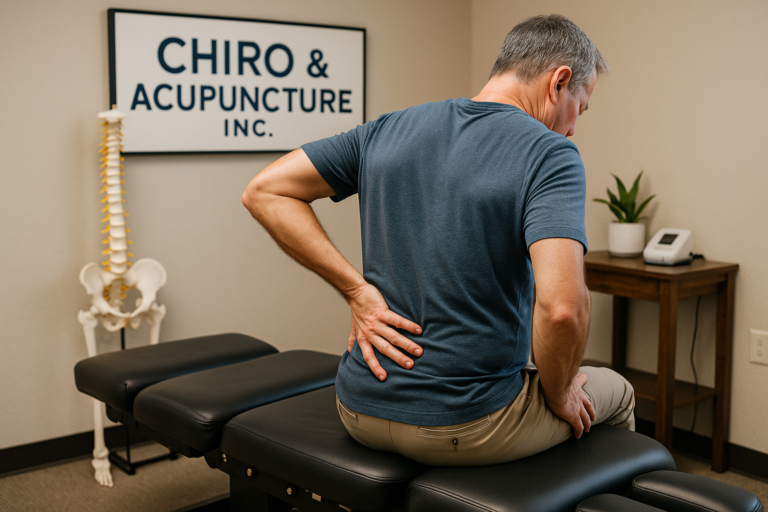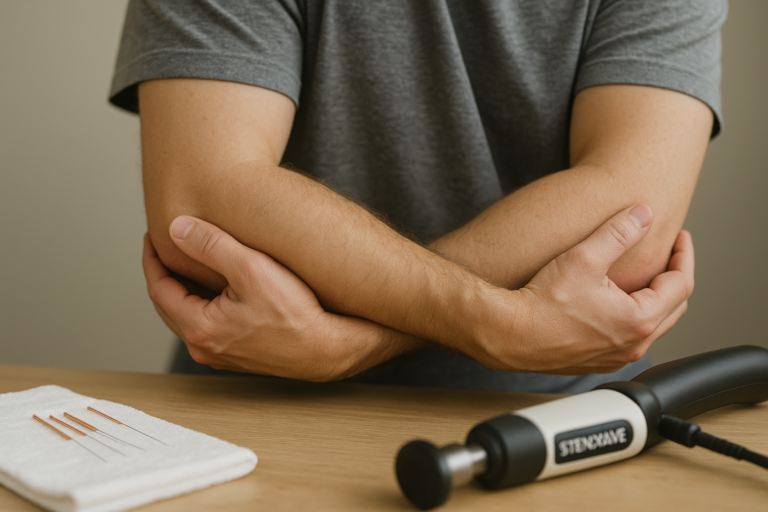
Sciatica can make ordinary life feel anything but ordinary. When pain starts in the low back or hip and travels down the leg, simple activities like driving, walking, standing at work, or getting comfortable at night can become frustrating. For many people searching for sciatica relief in Grapevine, TX, the goal is not just to reduce symptoms for a day or two, but to find a thoughtful plan that supports healing, movement, and better function over time.
Sciatica is not a diagnosis by itself. It is a term commonly used to describe irritation or compression involving the sciatic nerve, which is the large nerve pathway that runs from the lower spine through the hips and buttocks and down each leg. Symptoms may include sharp pain, burning, tingling, numbness, weakness, or a deep ache that radiates below the knee. Some people notice symptoms only when sitting. Others feel worse with bending, lifting, coughing, or changing positions.
Because sciatic nerve pain can have different causes, care is often most helpful when it is individualized. Depending on the person and the source of the irritation, conservative options such as chiropractic care, acupuncture, and StemWave therapy may play a role. Understanding how these approaches work can help you decide when they may be worth discussing as part of a broader plan for recovery.
What Sciatica Really Means
The sciatic nerve is the body’s largest nerve, but the term “sciatica” usually refers to symptoms caused by irritation somewhere along the nerve roots in the lower back or along the nerve pathway itself. Common underlying causes include:
- Disc bulges or disc herniation in the lumbar spine
- Spinal joint irritation or restricted movement
- Inflammation around nerve roots
- Muscle tension, including piriformis-related irritation
- Degenerative changes that narrow space around the nerves
- Poor movement mechanics, repetitive strain, or prolonged sitting
Not every case looks the same. One person may have sudden shooting pain after lifting something heavy. Another may develop gradual symptoms after months of desk work, driving, or reduced physical activity. Some feel most of the pain in the lower back, while others mainly notice leg symptoms with very little back discomfort.
This variety matters because treatment should be guided by the pattern of symptoms, the suspected cause, and how severe the condition is. That is why a careful evaluation is important before deciding whether chiropractic for sciatica in Grapevine, acupuncture for sciatic nerve pain, or other non-surgical options are appropriate.
Common Signs That Suggest Sciatic Nerve Irritation
While only a qualified healthcare professional can evaluate your condition, sciatica often has recognizable patterns. These may include:
- Pain that starts in the lower back, buttock, or hip and radiates down the leg
- Burning, electric, or shooting pain
- Tingling or pins-and-needles sensations
- Numbness in part of the leg or foot
- Symptoms that worsen after long periods of sitting
- Weakness when lifting the foot or pushing off while walking
- Discomfort with bending, twisting, coughing, or sneezing
Symptoms can range from mild and annoying to severe and limiting. Some flare-ups improve with rest and time. Others persist for weeks or keep returning, especially if the underlying movement problem or tissue irritation is not addressed.
When Conservative Care May Be Worth Considering
Many cases of sciatic nerve pain are first managed with conservative treatment, especially when there are no signs of a medical emergency. Non-surgical care often focuses on reducing irritation, improving mobility, restoring function, and helping the body tolerate daily activities more comfortably.
People often consider conservative approaches when they:
- Have recurring sciatic pain that interferes with work, exercise, or sleep
- Want to avoid relying only on temporary symptom relief
- Are looking for a non-drug approach
- Need help improving movement and posture habits that may be contributing
- Want a treatment plan that can adapt as symptoms change
Chiropractic care, acupuncture, and StemWave therapy each take a different approach. In some situations, they may be used separately. In others, they may be combined as part of a multimodal plan.
How Chiropractic for Sciatica in Grapevine May Help
Chiropractic care focuses on the relationship between spinal movement, joint function, muscles, nerves, and overall biomechanics. In the context of sciatica, a chiropractor typically evaluates how the lumbar spine, pelvis, hips, and surrounding soft tissues are moving and whether certain patterns may be increasing stress on the irritated nerve.
Potential Goals of Chiropractic Care
Chiropractic for sciatica in Grapevine may be aimed at several practical goals:
- Improving motion in restricted spinal or pelvic joints
- Reducing mechanical stress that may aggravate the nerve
- Addressing compensations in posture and gait
- Decreasing muscle guarding and tension
- Supporting better movement patterns during daily activity
Treatment may include spinal adjustments or mobilization, along with soft tissue work, stretching, rehabilitation exercises, and ergonomic guidance. The exact method depends on the person, the sensitivity of the area, and whether the symptoms seem to be driven more by disc irritation, joint dysfunction, muscular tension, or a combination of factors.
What This Can Look Like in Real Life
Imagine someone who sits for long hours and develops pain from the low back into the back of the thigh. They may have stiff hips, reduced lumbar mobility, and poor tolerance for sitting. In that case, care may focus not only on the low back but also on hip mechanics, posture changes, standing breaks, and home exercises that reduce repeated strain.
Another person may have a more sudden flare-up after lifting. Their plan may need to emphasize gentle movement, symptom-guided positioning, and gradual restoration of normal motion rather than aggressive treatment right away.
The value of chiropractic care is often in looking beyond the symptom site alone. If a person’s body mechanics are contributing to repeated sciatic irritation, improving how the spine and surrounding structures function may help reduce recurrence.
How Acupuncture for Sciatic Nerve Pain May Help
Acupuncture has long been used to support pain management and recovery in musculoskeletal conditions. For people dealing with sciatic nerve symptoms, acupuncture for sciatic nerve pain may be considered as a way to help calm irritated tissues, reduce pain sensitivity, and ease muscle tension.
Why Some People Choose Acupuncture
Acupuncture is often chosen by people who want a conservative option that does not rely on medication and that can be integrated with other forms of care. While the exact response differs from person to person, common reasons people explore acupuncture include:
- Radiating pain that remains reactive and inflamed
- Tight muscles in the low back, glutes, or hips
- Trouble relaxing because pain keeps cycling up
- Persistent discomfort that affects sleep or recovery
From a modern clinical perspective, acupuncture may support the body’s pain-modulating mechanisms and help improve circulation in affected tissues. It may also help reduce protective muscle tension that often develops around painful areas. When muscles in the gluteal region, lower back, or hip are overly tight, they can add to mechanical stress and make sciatic symptoms feel worse.
Where Acupuncture May Fit in a Care Plan
Acupuncture is not necessarily a stand-alone answer for every case. It may be especially useful when pain levels are high enough to limit movement, because reducing irritation can make it easier to participate in exercise, stretching, posture changes, and other active parts of recovery.
For example, if someone has been avoiding walking or bending because every movement triggers pain, an approach that helps settle the area may create a better window for reintroducing gentle activity. In that way, acupuncture may support progress rather than simply mask symptoms.
What StemWave Therapy for Sciatica Is and When It May Help
StemWave therapy is a form of non-invasive acoustic wave therapy used in musculoskeletal care. While protocols and applications vary, the general goal is to deliver focused mechanical energy to targeted tissues. In clinical practice, StemWave therapy for sciatica may be considered when there is ongoing irritation in soft tissues or areas where better healing support is desired as part of a conservative treatment plan.
Why It Gets Attention in Sciatica Care
Sciatic nerve pain is not always caused by the same structure. In some cases, the nerve irritation may be closely tied to muscular tension, tendon-related stress, or chronic tissue dysfunction in the low back, gluteal region, or hip. When that is the case, therapies that focus on local tissue health and recovery may be considered alongside movement-based care.
StemWave therapy for sciatica may be discussed when a person has:
- Persistent soft tissue irritation
- Chronic tightness or dysfunction around the hip and gluteal area
- Ongoing discomfort that has not fully responded to rest alone
- A need for a non-surgical, non-invasive option as part of a broader plan
It is important to understand that therapies like StemWave are generally not meant to replace a proper evaluation. If sciatic symptoms are coming from significant disc involvement, progressive neurological changes, or another condition requiring medical management, the best next step may be different. However, when appropriate, this type of therapy may complement other conservative strategies aimed at reducing pain and improving function.
The Benefit of Combining Approaches
Sciatica often responds best when care addresses more than one factor. Pain may involve mechanical compression, inflammation, muscle guarding, poor movement habits, deconditioning, or local tissue irritation all at once. That is why a multimodal strategy can make sense.
For example:
- Chiropractic care may help improve joint motion and overall mechanics
- Acupuncture may help calm pain and reduce muscular reactivity
- StemWave therapy may support targeted soft tissue recovery
- Corrective exercises may improve stability and tolerance for daily movement
- Ergonomic changes may reduce repetitive aggravation
When these pieces work together, the goal is not only to feel better in the short term but also to move better and create fewer triggers for future flare-ups. Someone with a long commute, for instance, may need treatment plus practical changes like seat positioning, frequent standing breaks, and a home routine focused on hip mobility and core control.
Important Considerations Before Starting Treatment
Although many people seek conservative sciatica relief in Grapevine, TX, not every case should be self-managed. A thorough assessment matters because symptoms that seem like ordinary sciatica can sometimes point to a more serious issue.
Prompt medical attention is important if sciatic symptoms occur with:
- Loss of bowel or bladder control
- Rapidly worsening leg weakness
- Numbness in the groin or saddle area
- Severe trauma
- Fever, unexplained weight loss, or other signs of systemic illness
- Severe, unrelenting pain that is not changing with rest or position
Even in less urgent situations, the right treatment depends on what is driving the symptoms. A person with disc-related nerve irritation may need a different plan than someone whose pain is more related to hip mechanics or piriformis tension. Good conservative care should be tailored, monitored, and adjusted based on how the body responds.
Daily Habits That Can Support Recovery
Professional treatment can be helpful, but what happens between visits matters too. Many people with sciatica improve more consistently when they reduce common aggravators and build simple habits that support healing.
Movement Matters
Extended bed rest is usually not the answer for ordinary sciatic flare-ups. While brief rest may feel necessary during a painful episode, too little movement can contribute to stiffness and deconditioning. Gentle, tolerable walking is often encouraged unless a clinician advises otherwise.
Watch Sitting Time
Long periods of sitting often provoke sciatic symptoms, especially during desk work or driving. Standing up regularly, adjusting posture, and using supportive seating can help reduce repeated strain.
Be Careful With Repeated Bending and Twisting
Laundry, yard work, lifting groceries, and gym activities can all aggravate the low back and sciatic nerve when mechanics are poor or tissues are already irritated. It helps to move with control, avoid sudden twisting under load, and modify tasks temporarily during a flare.
Use Home Exercises Wisely
Not every stretch helps every case. Some people improve with gentle mobility work for the hips and hamstrings, while others become more irritated by aggressive stretching. Exercises should match the person and the pattern of symptoms, ideally based on professional guidance.
Pay Attention to Sleep Position
Sleeping with a pillow between the knees when side lying, or under the knees when lying on the back, may help some people feel more comfortable. Small changes in positioning can reduce overnight strain.
What Progress Often Looks Like
Recovery from sciatica is not always a straight line. Some people feel noticeably better in a short time. Others improve in stages, especially if symptoms have been present for a while. Early progress may look like:
- Less intense leg pain
- Symptoms traveling less far down the leg
- Better tolerance for sitting or walking
- Improved sleep
- Less frequent flare-ups during routine tasks
As recovery continues, the focus often shifts from calming symptoms to rebuilding capacity. That can include strengthening, mobility work, return-to-exercise planning, and better strategies for work and daily life. The goal is not simply to chase pain, but to improve resilience.
Finding a Thoughtful Approach to Sciatica Relief in Grapevine, TX
For people dealing with recurring nerve pain, the most helpful next step is often not choosing the trendiest therapy, but finding an approach that matches the likely cause of the symptoms. Chiropractic care may be useful when spinal, pelvic, or movement-related dysfunction is part of the problem. Acupuncture may be a good fit when pain sensitivity and muscle tension are significant barriers to recovery. StemWave therapy may have a role when chronic soft tissue dysfunction is contributing to ongoing irritation.
None of these options should be viewed as a one-size-fits-all solution. Instead, they are potential tools within a broader conservative care strategy. The best results often come from combining a proper evaluation with practical treatment goals, active rehabilitation, and changes in the habits that keep symptoms going.
Conclusion
Sciatic pain can be disruptive, discouraging, and unpredictable, but many people improve with well-chosen conservative care. If you are looking into sciatica relief in Grapevine, TX, it helps to understand that the right plan depends on why the nerve is irritated in the first place. Chiropractic for sciatica in Grapevine may help improve mechanics and mobility, acupuncture for sciatic nerve pain may help calm pain and muscle tension, and StemWave therapy for sciatica may support recovery in certain soft tissue-related cases.
The key is a treatment plan that is individualized, practical, and focused on both symptom relief and better function. When care is matched to the person and supported by smart daily habits, it is often possible to move with more comfort, confidence, and consistency again.