Inflammation is a normal part of the body’s defense system. When you cut your finger, catch a virus, or strain a muscle, inflammation helps protect tissue and support healing. The problem begins when that response does not fully switch off. Instead of helping for a short period, inflammation can linger in the background for weeks, months, or longer and begin to affect comfort, mobility, and overall well-being.
Many people dealing with recurring pain, joint stiffness, headaches, muscle tension, or general fatigue are surprised to learn that chronic inflammation may be part of the picture. While inflammation is not always the only cause of pain, it can play an important role in how pain develops and how long it lasts.
If you are looking for ways to reduce chronic inflammation naturally, it helps to understand what may be triggering it in the first place. It also helps to know how supportive therapies such as chiropractic for inflammation, acupuncture for inflammation, movement, stress management, and other healthy habits may fit into a broader wellness plan. For people searching for natural inflammation treatment Grapevine TX, the goal is usually not just symptom management, but better function and a more sustainable path toward feeling well.
What Is Chronic Inflammation?
Acute inflammation is the short-term response you might notice after an injury or infection. It can cause swelling, warmth, redness, soreness, and temporary limitation in movement. In many cases, that process is helpful and expected.
Chronic inflammation is different. It is a lower-grade, longer-lasting inflammatory state that may continue even when there is no immediate injury requiring repair. Sometimes it is linked to an ongoing health condition. In other cases, it may be influenced by several lifestyle and physical stressors happening at the same time.
Chronic inflammation does not always announce itself dramatically. It can show up as:
- Persistent joint or muscle aches
- Morning stiffness
- Recurring neck or back discomfort
- Headaches or tension-related pain
- Fatigue or a run-down feeling
- Reduced recovery after physical activity
- General soreness that seems hard to explain
Because these symptoms can overlap with many other issues, it is important to view inflammation as one possible contributing factor rather than a stand-alone explanation for every type of pain.
Common Causes of Chronic Inflammation
There is rarely one single reason that chronic inflammation develops. More often, it is the result of a combination of physical, environmental, and lifestyle factors that place repeated stress on the body over time.
Ongoing Physical Stress and Musculoskeletal Strain
Repetitive motion, poor posture, prolonged sitting, overtraining, and old injuries can all place ongoing stress on muscles, joints, and connective tissues. When tissue irritation keeps recurring, the body may continue producing inflammatory signals in response.
For example, someone who sits at a desk all day with rounded shoulders and forward head posture may develop chronic neck and upper back tension. Another person may experience recurring low back pain after years of lifting, twisting, or uneven movement patterns. In situations like these, mechanical stress and inflammation can reinforce each other.
Poor Sleep
Sleep is when the body performs much of its repair work. Inadequate or poor-quality sleep may disrupt recovery, affect hormone balance, and increase inflammatory activity. People with persistent pain often sleep poorly, and poor sleep can in turn make pain feel worse, creating a frustrating cycle.
Chronic Stress
Emotional stress is not “just in your head.” Long-term stress may influence the nervous system, muscle tension, and inflammatory pathways throughout the body. When stress remains high for extended periods, some people notice more jaw tension, headaches, back pain, digestive upset, and fatigue.
This does not mean stress is the only cause of inflammation, but it can be a meaningful piece of the puzzle.
Dietary Patterns
Food choices can influence inflammatory processes. A pattern centered on heavily processed foods, excess sugar, frequent refined carbohydrates, and low intake of nutrient-dense whole foods may contribute to inflammation in some individuals. On the other hand, balanced meals with vegetables, fruits, fiber, healthy fats, quality protein, and adequate hydration may support the body’s normal regulation and recovery processes.
Diet is not about perfection. Small, consistent improvements often matter more than extreme short-term changes.
Lack of Movement
Regular movement helps support circulation, joint mobility, muscle balance, and metabolic health. Too little activity may contribute to stiffness, deconditioning, weight changes, and poorer recovery. At the same time, too much intense activity without enough rest can also keep the body irritated. The goal is not simply more exercise, but the right amount and type of movement for the individual.
Excess Weight and Metabolic Stress
Body composition and metabolic health can also affect inflammatory load. Excess weight, especially when combined with low activity and poor diet quality, may place additional mechanical stress on joints while also contributing to inflammatory signaling. This is one reason why improving daily habits can help some people feel better beyond the scale alone.
Smoking, Alcohol, and Environmental Irritants
Tobacco use, excessive alcohol intake, and ongoing exposure to certain environmental irritants may add to stress on the body and interfere with healing. Reducing these influences can support overall wellness and may help lower the burden on inflammatory systems.
Underlying Health Conditions
Sometimes chronic inflammation is connected to autoimmune conditions, infections, metabolic disorders, digestive problems, or other medical concerns. If symptoms are persistent, worsening, widespread, or unexplained, professional medical evaluation is important. Natural therapies may support comfort and function, but they should not replace appropriate diagnosis when something more serious may be present.
How Chronic Inflammation Can Contribute to Pain
Inflammation and pain have a close relationship. Inflammatory chemicals can sensitize nerves, making tissues feel more tender and reactive. Inflamed muscles or joints may become stiff, weak, or harder to move smoothly. Over time, discomfort can change the way a person sits, walks, sleeps, or exercises, leading to additional compensation patterns.
Consider a person with chronic shoulder tightness. Inflammation from repeated strain may create soreness and limited range of motion. To avoid pain, they may alter how they lift, reach, or sleep. Those altered patterns can then stress the neck, upper back, or opposite shoulder, extending the problem.
This is one reason why effective support often goes beyond temporary pain reduction. It may also involve improving mobility, addressing biomechanics, calming nervous system tension, and promoting healthier daily habits.
How to Reduce Chronic Inflammation Naturally
People who want to reduce chronic inflammation naturally often do best with a layered, realistic approach. Instead of relying on one fix, they combine supportive therapies with everyday habits that lower physical stress and improve recovery.
Prioritize Anti-Inflammatory Lifestyle Habits
Foundational habits matter. These may include:
- Getting consistent, restorative sleep
- Eating more whole, minimally processed foods
- Staying hydrated
- Walking and stretching regularly
- Strengthening weak or underused muscles
- Managing stress with breathing, mindfulness, or time outdoors
- Reducing tobacco use and limiting excess alcohol
None of these habits guarantees immediate pain relief, but together they can create an environment that supports better healing and resilience.
Use Movement as Medicine
Gentle and regular movement may help decrease stiffness, support circulation, and maintain joint function. Depending on the person, this might include walking, mobility exercises, yoga, swimming, light strength training, or guided rehabilitative exercise.
A common mistake is waiting until pain completely disappears before moving. In many cases, carefully chosen movement helps the body recover more effectively than prolonged inactivity. The key is selecting movement that feels supportive rather than aggravating.
Chiropractic for Inflammation: How It May Help
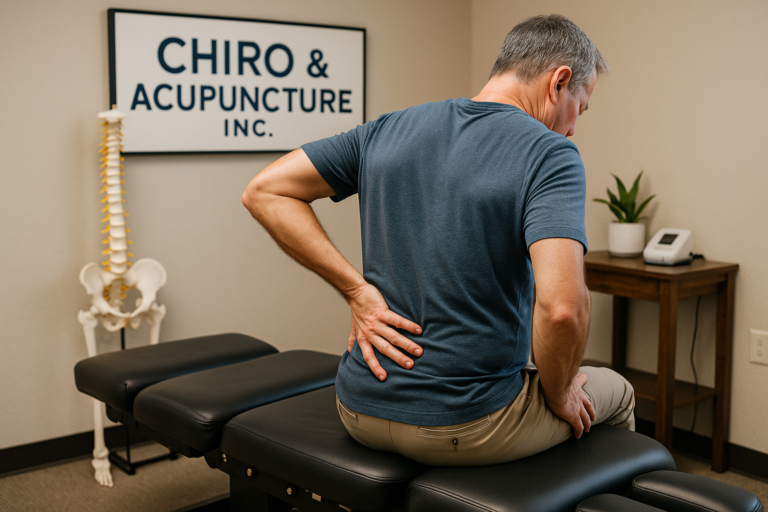
Chiropractic for inflammation is often considered when chronic pain involves the spine, joints, posture, or movement restrictions. Chiropractic care focuses on the relationship between structure and function, especially how joints, muscles, and the nervous system work together.
When joints are not moving well, surrounding tissues can become irritated and overworked. This may contribute to tension, restricted range of motion, and ongoing discomfort. By improving joint mobility and addressing mechanical stress, chiropractic care may help reduce strain in affected areas and support more efficient movement.
Potential Supportive Benefits of Chiropractic Care
Depending on the individual and the underlying cause of discomfort, chiropractic care may help support:
- Improved spinal and joint mobility
- Reduced muscle tension
- Better posture and movement mechanics
- Less strain on irritated tissues
- Greater ease with daily activities
For example, a person with recurring low back tightness from long hours at a desk may benefit from an approach that addresses spinal motion, pelvic alignment, soft tissue tension, and ergonomic habits. Someone with recurring neck pain may need attention to upper back stiffness, workstation setup, and simple mobility exercises in addition to hands-on care.
Chiropractic does not “cure inflammation” in a blanket sense, but it may be a helpful part of a comprehensive strategy when biomechanical stress is contributing to pain and irritation.
Acupuncture for Inflammation: How It May Help
Acupuncture for inflammation is another natural option many people explore for pain relief and overall regulation. Acupuncture involves the placement of very thin needles at specific points on the body. In modern integrative care, it is often used to support pain management, relaxation, and functional recovery.
Although experiences vary, acupuncture may help some people by encouraging the body’s natural pain-modulating responses, promoting relaxation, and supporting circulation in targeted areas. It is commonly used for issues such as neck pain, back pain, joint discomfort, muscle tension, headaches, and stress-related symptoms.
Potential Supportive Benefits of Acupuncture
People seeking acupuncture for inflammation may be looking for help with:
- Reducing pain sensitivity
- Easing muscular tightness
- Supporting relaxation and stress reduction
- Improving overall sense of well-being
- Encouraging more comfortable movement
As an example, someone with stress-related shoulder and neck tension may find that acupuncture helps calm both muscular guarding and the nervous system response that keeps tension returning. Another person with chronic knee discomfort may use acupuncture alongside exercise and mobility work as part of a conservative support plan.
Like chiropractic, acupuncture is generally most effective when it is part of a larger effort to address the causes and contributors behind chronic inflammation.
Why a Combined Natural Approach Often Makes Sense
Chronic inflammation is rarely one-dimensional, so support often works best when it is not one-dimensional either. A person with persistent pain may be dealing with a blend of poor ergonomics, stress, lack of sleep, muscular imbalance, and limited mobility. In that situation, no single therapy is likely to address everything.
A combined natural approach may include:
- Chiropractic care for joint mechanics and movement patterns
- Acupuncture for pain modulation and relaxation
- Corrective exercises or stretching for strength and mobility
- Ergonomic changes at work or home
- Improved sleep habits
- Nutrition and hydration support
- Stress management practices
This type of broader strategy can be especially helpful for people looking for natural inflammation treatment Grapevine TX because it focuses not just on where pain is felt, but also on what may be driving it day after day.
Important Considerations Before Starting Natural Therapies
Natural approaches can be valuable, but they should still be used thoughtfully. Pain and inflammation are not always simple. It is important to consider the following:
Get Evaluated When Symptoms Are Persistent or Concerning
If pain is severe, sudden, worsening, spreading, or associated with symptoms such as fever, unexplained weight loss, numbness, significant weakness, or loss of bowel or bladder control, prompt medical evaluation is important. These signs may indicate a condition that needs medical attention rather than conservative supportive care alone.
Look for a Personalized Plan
Not every case of inflammation-related pain has the same cause. One person may need mobility work and postural correction. Another may need stress reduction and gradual return to movement. A personalized plan is usually more useful than a generic routine copied from the internet.
Be Consistent and Patient
Chronic issues often develop over time, and improvement may also take time. Consistency with care, exercise, sleep, and nutrition usually matters more than quick bursts of motivation. Sustainable changes tend to be more helpful than extreme changes that are hard to maintain.
Practical Daily Habits That May Help Lower Inflammatory Stress
If you want to start reducing inflammatory stress naturally, simple daily actions can make a meaningful difference over time:
- Take short movement breaks during long periods of sitting
- Stretch tight areas such as the hips, chest, and upper back
- Build meals around vegetables, lean proteins, and fiber-rich foods
- Drink enough water throughout the day
- Create a regular sleep schedule
- Use breathing exercises to reduce stress-related tension
- Pay attention to posture when working, driving, or using devices
- Gradually increase physical activity instead of doing too much too soon
These steps may seem basic, but they often support the same systems that influence pain, stiffness, and recovery. Small adjustments repeated consistently can add up.
Conclusion
Chronic inflammation can be influenced by many factors, including repetitive strain, poor posture, stress, limited movement, poor sleep, diet, metabolic health, and underlying medical conditions. When inflammation persists, it may contribute to pain, stiffness, fatigue, and reduced function, especially when combined with ongoing mechanical stress.
For those who want to reduce chronic inflammation naturally, the most effective approach is usually a balanced one. Healthy daily habits, regular movement, stress management, and supportive therapies may all play a role. Chiropractic for inflammation may help improve mobility and reduce strain related to joints and posture, while acupuncture for inflammation may support pain relief, relaxation, and more comfortable movement.
Natural care is often less about finding a single miracle solution and more about creating the right conditions for the body to function better over time. By understanding what may be driving chronic inflammation and taking practical steps to address it, many people can build a more informed and sustainable path toward pain relief and improved well-being.