Shoulder pain can interfere with nearly everything you do, from reaching into a cabinet to sleeping comfortably through the night. Because the shoulder is one of the body’s most mobile joints, it is also one of the easiest to irritate through overuse, poor posture, repetitive motion, sports, lifting, or age-related wear. When pain starts to limit movement, many people begin looking for conservative options before considering more invasive care.
If you are exploring shoulder pain treatment Grapevine TX patients often consider, three common non-surgical approaches are chiropractic care, acupuncture, and StemWave therapy. Each option works differently. One may be more helpful for stiffness and joint mechanics, another for muscle tension and pain sensitivity, and another for tissue irritation linked to overuse or recovery support. Understanding the differences can help you choose a more symptom-based path instead of guessing.
This guide explains how these treatments are generally used, what types of shoulder symptoms they may fit best, and what important factors to consider when deciding which approach may be right for you.
Why Shoulder Pain Can Be Difficult to Pinpoint
The shoulder is not just one structure. It includes bones, joints, tendons, ligaments, muscles, connective tissue, and nerves working together in a relatively small area. Pain may come from the shoulder itself, or it may be influenced by the neck, upper back, posture, and daily movement habits.
Common patterns behind shoulder discomfort include:
- Muscle tightness and strain
- Tendon irritation from repetitive overhead activity
- Reduced joint mobility or stiffness
- Postural stress from desk work or device use
- Sports-related overuse
- Sleep-position irritation
- Neck tension referring pain into the shoulder
This is why one person may describe sharp pain when lifting an arm overhead, while another notices a dull ache near the shoulder blade, and someone else feels stiffness with reaching behind the back. The best-fit treatment often depends on how the pain behaves, not just where it hurts.
When Chiropractic Care May Fit Shoulder Symptoms Best
Chiropractic shoulder pain relief is often considered when shoulder discomfort seems linked to movement restriction, joint mechanics, posture, or tension coming from nearby areas such as the neck and upper back. Chiropractors typically assess how the shoulder moves, how the surrounding joints function, and whether there are mobility limitations contributing to strain.
How Chiropractic Care Approaches Shoulder Pain
Chiropractic care generally focuses on restoring more normal movement patterns. Depending on the individual case, care may involve joint-focused techniques, soft tissue work, mobility recommendations, and postural guidance. The goal is often to reduce mechanical stress and help the shoulder move more comfortably.
Because the shoulder depends heavily on the neck, upper back, collarbone, and shoulder blade, a chiropractic evaluation may look beyond the painful spot itself. For example, someone with shoulder pinching during overhead movement may also have upper-back stiffness or rounded shoulders affecting how the joint tracks.
Symptoms That May Point Toward Chiropractic Care
Chiropractic care may be a reasonable option when shoulder pain is accompanied by:
- Stiffness or reduced range of motion
- Pain that increases with certain movements
- Postural strain from sitting, driving, or computer work
- Neck and upper-back tension along with shoulder discomfort
- A feeling that the joint is not moving smoothly
- Recurrent irritation after lifting, workouts, or repetitive activity
A practical example would be an office worker whose shoulder aches after long hours at a desk and who notices tightness between the shoulder blades. Another example is a person who can still use the arm but feels a painful catch during reaching or pressing movements. In these cases, mechanical factors may be part of the problem.
Important Considerations
Chiropractic care is usually most relevant when mobility, alignment, movement patterns, and surrounding joint function appear to matter. It may be less of a primary fit if the main issue seems more related to widespread muscle guarding, pain sensitivity, or a desire to support irritated soft tissue without emphasizing joint-based care. As with any approach, sudden trauma, severe weakness, obvious deformity, or significant loss of function should be medically evaluated promptly.
When Acupuncture May Fit Shoulder Symptoms Best
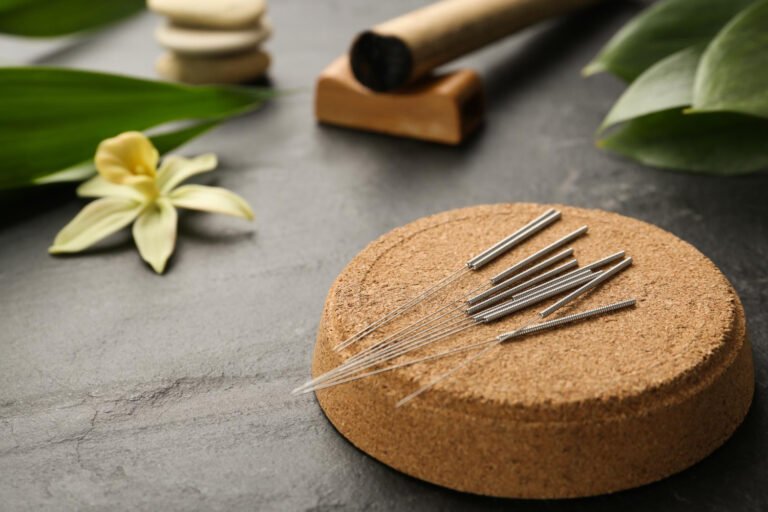
Acupuncture for shoulder pain Grapevine patients often seek is commonly chosen when pain is associated with muscle tightness, trigger points, stress-related tension, or a persistent ache that affects comfort and sleep. Acupuncture uses very thin needles placed at specific points with the aim of influencing pain signaling, circulation, and muscle tone.
How Acupuncture Approaches Shoulder Pain
In general, acupuncture is used to help calm irritated tissues and reduce the body’s pain response. It is often selected by people who feel that their pain is not only mechanical but also tied to muscular tension or sensitivity in the area. Some people also prefer it because it is a conservative option that does not rely on medication.
Acupuncture sessions for shoulder concerns may focus not only on the painful region but also on related areas that influence muscle tension and movement patterns. This broader view can be helpful when the shoulder tightens in response to stress, repetitive work, or protective guarding after an aggravation.
Symptoms That May Point Toward Acupuncture
Acupuncture may be a good fit when shoulder pain includes:
- Persistent aching rather than only sharp movement pain
- Muscle knots or tension around the shoulder and upper back
- Stress-related tightness that worsens discomfort
- Sleep disruption from soreness or tension
- Protective guarding after overuse
- Pain that feels diffuse or hard to localize
For example, a person may wake up with a stiff, aching shoulder and tight neck after weeks of stress and poor sleep. Another may have soreness around the upper trapezius and shoulder blade area that flares after repetitive computer use. In these situations, reducing tension and calming pain sensitivity may be a useful goal.
Important Considerations
Acupuncture may be especially appealing for people who want a low-force option or who tend to carry pain in muscles rather than feeling only joint restriction. However, if shoulder pain clearly stems from major mechanical limitation, pronounced instability, or significant weakness during movement, acupuncture alone may not address every contributing factor. It may sometimes be considered alongside other conservative strategies depending on the case and the provider’s assessment.
When StemWave May Fit Shoulder Symptoms Best
StemWave for shoulder pain is often discussed as a non-invasive option for people dealing with soft-tissue irritation, overuse discomfort, or symptoms that have lingered despite rest and activity modification. StemWave is generally described as a form of acoustic wave therapy intended to stimulate a healing response in targeted tissue.
How StemWave Approaches Shoulder Pain
StemWave is typically used with the idea of supporting tissue recovery in areas affected by repetitive stress or chronic irritation. Rather than focusing mainly on joint mechanics or needle-based pain modulation, this approach is often selected when the goal is to address irritated tendons or surrounding soft tissue in a focused, non-surgical way.
People often become interested in StemWave when the pain is more localized and linked to use. For example, lifting, reaching, throwing, pushing, or sleeping on one side may repeatedly aggravate the same area. In those cases, supporting tissue recovery may be an important part of the plan.
Symptoms That May Point Toward StemWave
StemWave may be worth discussing when shoulder pain involves:
- Overuse-related soreness from sports, work, or exercise
- Pain focused around tendons or attachment points
- Discomfort that returns with repetitive overhead motion
- Lingering irritation that has not fully settled with rest alone
- Tenderness in a specific region of the shoulder
- Pain that seems more tissue-related than posture-related
A practical example is a recreational tennis player who notices recurring soreness at the front or side of the shoulder after activity. Another is a person whose shoulder pain consistently returns during workouts involving pressing or lifting. In these patterns, localized tissue stress may be a central feature.
Important Considerations
StemWave may be more relevant when symptoms appear tied to chronic tissue irritation or overuse. It may not be the only answer if posture, neck involvement, muscle guarding, and movement dysfunction are also major contributors. A shoulder problem can involve more than one layer, which is why a careful evaluation matters before choosing a treatment direction.
Comparing the Three Options by Symptom Pattern
Many people searching for the right treatment are not choosing between “good” and “bad” options. They are choosing between options that may fit different symptom patterns better.
Chiropractic May Be More Appropriate If You Notice:
- Restricted motion
- Clicking, catching, or stiffness with movement
- Postural strain
- Neck and upper-back involvement
- Pain triggered by mechanics and joint position
Acupuncture May Be More Appropriate If You Notice:
- Muscle tightness and tension
- Aching that spreads into nearby areas
- Stress-related flare-ups
- Sleep-disrupting soreness
- A preference for a gentle, low-force approach
StemWave May Be More Appropriate If You Notice:
- Localized overuse discomfort
- Tender soft tissue
- Repetitive-motion aggravation
- Symptoms that linger despite rest
- A desire for a non-invasive tissue-focused option
Of course, these categories can overlap. Someone might have poor posture, muscle guarding, and tendon irritation at the same time. In real-world shoulder pain, mixed patterns are common.
What to Think About Before Choosing a Treatment
It helps to look beyond the treatment name and ask what your symptoms are actually telling you. Consider the following:
How Did the Pain Start?
If the pain began after repetitive workouts, sports, painting, yard work, or overhead activity, soft tissue overload may be playing a major role. If it built up during desk work or after changes in posture and routine, mobility and muscular tension may matter more.
What Motions Trigger It?
Pain only during certain movements may point toward mechanical irritation. Constant aching and surrounding tightness may suggest a stronger muscle-tension component. Pain that keeps returning with the same repeated activity may raise questions about overuse and tissue recovery.
Is the Neck Involved?
Many shoulder complaints are influenced by the neck and upper back. If you also feel stiffness, tension headaches, numbness, tingling, or pain traveling down the arm, that broader pattern should be considered carefully during evaluation.
Is It Acute or Lingering?
A recent flare-up from sleeping awkwardly may not need the same strategy as a chronic issue that has been cycling on and off for months. Persistent symptoms often benefit from a more thorough look at contributing factors rather than relying on rest alone.
What Is Your Comfort Level?
Some people strongly prefer hands-on care focused on movement. Others are more comfortable with needle-based therapy or are specifically interested in newer non-invasive options such as acoustic wave treatment. Personal preference matters, especially when more than one conservative approach may be reasonable.
The Role of a Proper Evaluation
One of the most important parts of shoulder care is identifying when pain is likely mechanical, muscular, tissue-related, or referred from another area. A proper evaluation can help sort out whether the main issue appears to be:
- Joint restriction or altered movement patterns
- Muscle tension and guarding
- Overuse-related soft tissue irritation
- Postural stress
- Neck-related referral into the shoulder
This matters because the same symptom word, such as “shoulder pain,” can mean very different things from one person to another. A weightlifter with localized front-of-shoulder pain, a desk worker with upper-back tension, and a person with painful nighttime aching may not need the same first step.
A good clinical assessment also helps identify red flags that may require medical referral, such as significant weakness after an injury, severe loss of motion, visible deformity, or symptoms suggesting a more complex condition.
Can These Approaches Be Part of a Broader Plan?
In some cases, shoulder pain responds best when conservative treatment is combined with changes in daily habits and movement. Depending on the person, that may include:
- Improving desk or workstation setup
- Modifying aggravating exercises
- Taking breaks from repetitive overhead tasks
- Working on posture and shoulder-blade control
- Using gradual return-to-activity strategies
- Addressing sleep position and nighttime strain
This does not mean every shoulder problem needs multiple therapies. It simply means that supportive habits often improve the chances of feeling and moving better over time. Even the best-chosen treatment may have limited value if the original strain keeps happening every day.
Making a More Confident Choice
If you are comparing shoulder pain treatment Grapevine TX options, the best starting point is usually to match the approach to your symptom pattern rather than following trends or assumptions.
Chiropractic care may fit best when motion feels restricted, posture seems involved, or pain appears tied to mechanics in the shoulder, neck, or upper back. Acupuncture may fit best when tension, aching, guarding, and pain sensitivity are major themes. StemWave may fit best when the issue feels more localized, overuse-related, and centered on irritated soft tissue.
It is also reasonable to remember that shoulder pain is rarely one-size-fits-all. A person with chronic shoulder strain may need attention to movement quality, tissue irritation, and muscular tension together. That is why an individualized assessment is more useful than choosing a treatment based on a single label.
Conclusion
Shoulder pain can come from many sources, which is exactly why choosing between chiropractic care, acupuncture, and StemWave deserves a thoughtful approach. Each option has a different general purpose. Chiropractic shoulder pain relief is often most relevant when joint movement, posture, or mechanics play a strong role. Acupuncture for shoulder pain Grapevine patients consider may be especially helpful when muscle tension, guarding, and aching are prominent. StemWave for shoulder pain may be a sensible option when overuse and localized soft-tissue irritation seem to be driving symptoms.
The key is not simply asking which treatment is best overall, but which one may fit your pattern of symptoms best. When shoulder pain is evaluated carefully and matched with an appropriate conservative strategy, it becomes much easier to move forward with clarity and confidence.