Tendonitis can make everyday movements surprisingly difficult. Reaching for a coffee mug, lifting a child, climbing stairs, typing, exercising, or even sleeping comfortably may become painful when a tendon is irritated. For many people, tendon pain does not start with a dramatic injury. It often builds gradually from repetitive strain, overuse, poor movement patterns, or a sudden increase in activity.
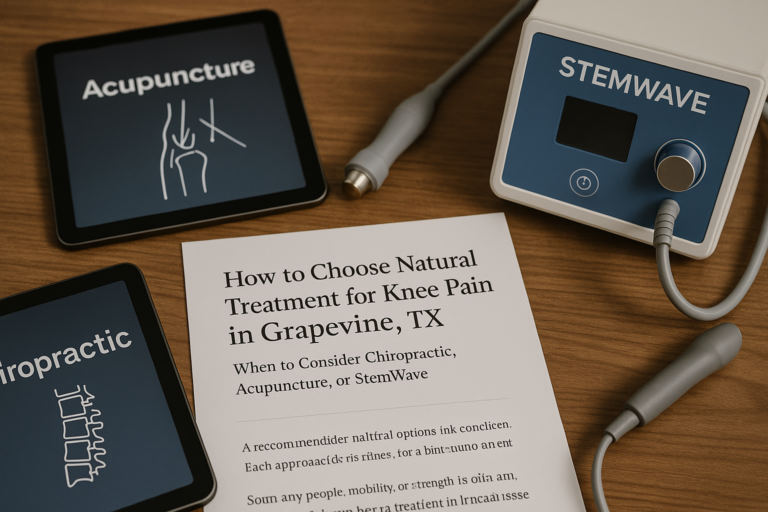
If you are looking into tendonitis treatment Grapevine TX, it is helpful to understand that tendon pain is not always managed with a one-size-fits-all approach. Depending on the tendon involved, the cause of the irritation, and how long symptoms have been present, a care plan may include activity modification, mobility work, soft tissue support, and non-surgical therapies designed to calm pain and encourage healing. Three options many people explore are chiropractic care for tendonitis, acupuncture for tendonitis pain, and StemWave for tendonitis.
This guide explains how tendonitis develops, why the elbow, shoulder, and knee are common problem areas, and how these therapies may fit into a more complete recovery plan.
What Tendonitis Is and Why It Hurts
Tendons are strong bands of connective tissue that attach muscle to bone. They help transfer force so your body can move, stabilize, lift, push, pull, and absorb impact. When a tendon becomes irritated or overloaded, pain and stiffness can develop. People often use the term tendonitis to describe this kind of tendon pain, although some long-lasting tendon problems may involve more chronic tissue changes rather than only short-term inflammation.
Common signs of tendon irritation include:
- Pain with movement or activity
- Tenderness near a joint
- Stiffness after rest
- Weakness or reduced endurance
- Discomfort that worsens with repetitive use
- Difficulty returning to sports, work, or exercise
Tendon pain may begin after repetitive overhead movements, gripping, running, jumping, lifting, poor posture, compensation from another injury, or returning too quickly to intense activity. Office workers, athletes, active adults, tradespeople, and parents can all develop tendon issues.
Common Types of Tendonitis in the Elbow, Shoulder, and Knee
Elbow Tendonitis
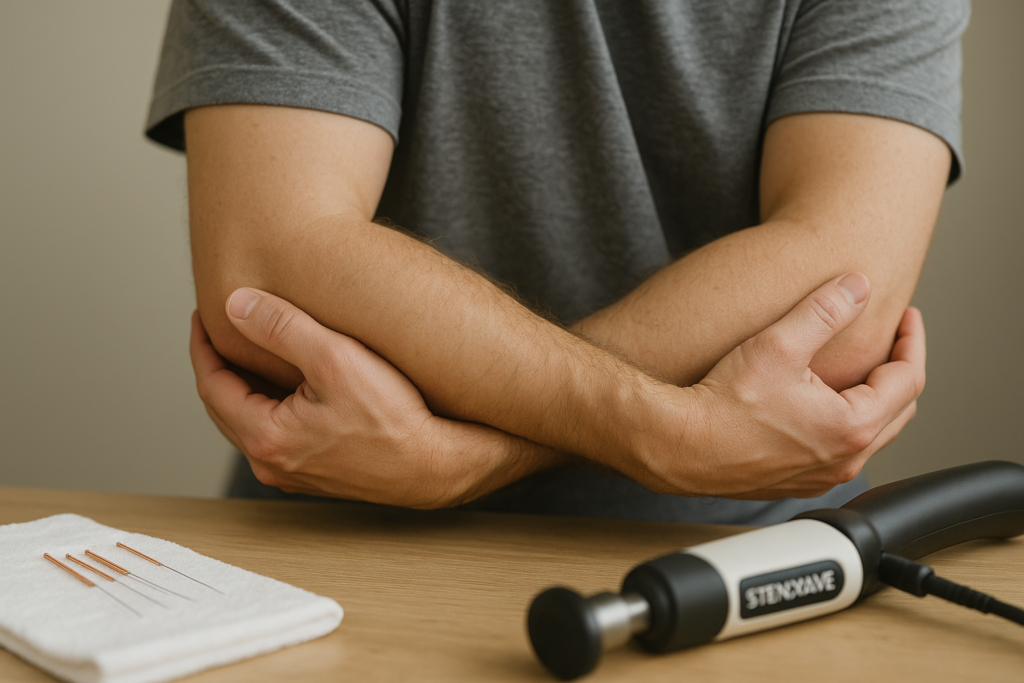
Elbow tendon pain often affects the tendons on the outside or inside of the elbow. Lateral elbow pain is commonly associated with tennis elbow, while pain on the inner side may be linked to golfer’s elbow. Despite the names, these issues do not only affect athletes. Repetitive gripping, typing, lifting, tool use, racket sports, and gym training can all contribute.
Typical symptoms include pain when gripping objects, shaking hands, lifting a bag, turning a doorknob, or using a mouse and keyboard for long periods.
Shoulder Tendonitis
The shoulder is one of the most mobile joints in the body, which also makes it vulnerable. Rotator cuff tendon irritation and biceps tendon pain are common, especially with overhead activity, weight training, throwing motions, or long hours spent in rounded postures. Pain may show up when reaching overhead, getting dressed, carrying items, or sleeping on the affected side.
Knee Tendonitis
Knee tendon pain often involves the patellar tendon below the kneecap or tendons around the quadriceps attachment. Running, jumping, squatting, stairs, and sudden training increases can overload these tissues. Some people feel pain only during exercise at first, then later notice discomfort during daily activities.
Why Tendonitis Often Needs More Than Rest Alone
Rest can be useful in the early stage of a flare-up, especially if pain came on after a spike in activity. However, complete inactivity for too long may lead to weakness, stiffness, and loss of function. Tendons generally respond best to a thoughtful plan that reduces overload while gradually restoring healthy movement and tissue capacity.
That is one reason many people look for supportive therapies. The goal is often not just to temporarily reduce symptoms, but also to address contributing factors such as joint restriction, poor mechanics, muscle tension, postural strain, and uneven loading patterns.
How Chiropractic Care for Tendonitis May Help
Chiropractic care for tendonitis is often considered when tendon pain is connected to movement dysfunction, joint stiffness, compensation patterns, or biomechanical stress. Chiropractic care does not treat tendons in isolation. Instead, it looks at how the surrounding joints, muscles, and movement habits may be increasing strain on the irritated tissue.
Improving Joint Mechanics
If a joint is not moving well, nearby tendons may be forced to work harder. For example, limited shoulder blade motion can increase stress on shoulder tendons. Restricted wrist, forearm, or neck movement may contribute to elbow strain. Hip, ankle, or pelvic mechanics can influence the forces moving through the knee. Chiropractic techniques may be used to improve mobility and help the body move more efficiently.
Reducing Compensatory Stress
People in pain often change how they move without realizing it. That compensation can shift overload to other tissues. A person with shoulder pain may shrug and tense the neck while reaching. Someone with knee pain may change their gait and overload the opposite side. Chiropractic evaluation can help identify these patterns and support more balanced movement.
Supporting Soft Tissue Function
In addition to joint-focused care, tendon-related treatment plans may include soft tissue techniques, stretching recommendations, and rehab exercises to improve flexibility and muscular support around the affected area.
For example:
- An office worker with elbow tendon pain may benefit from addressing wrist mobility, forearm tension, and workstation-related posture.
- A recreational tennis player with shoulder pain may need improved thoracic mobility and shoulder blade control.
- A runner with knee tendon irritation may need attention to hip strength, lower limb mechanics, and training load.
When used appropriately, chiropractic care can be a practical part of a conservative plan for tendon pain.
How Acupuncture for Tendonitis Pain May Help
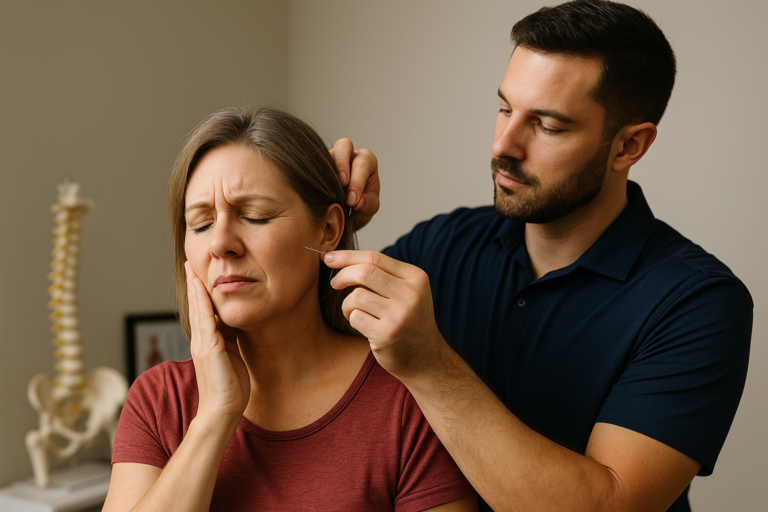
Acupuncture for tendonitis pain is another option many people explore for non-surgical symptom relief and recovery support. Acupuncture involves placing very thin needles at specific points on the body. In modern musculoskeletal care, it is commonly used to help with pain modulation, muscle tension, and movement-related discomfort.
Pain Relief and Nervous System Effects
One reason people seek acupuncture is to help calm pain signals. Tendon issues can become frustrating because the area may stay sensitive even after the initial aggravation has passed. Acupuncture may help promote a relaxation response and support the body’s natural pain-regulating processes.
Reducing Muscle Guarding Around the Joint
When a tendon is irritated, nearby muscles often become tight or guarded. That extra tension can make movement feel harder and less natural. Acupuncture may be used alongside mobility work and exercise to help reduce surrounding muscle tension, which may improve comfort during recovery.
Helping People Tolerate Rehab Better
One of the challenges with tendon problems is that recovery frequently depends on progressive exercise and activity modification. If pain is too high, people may avoid the movements they actually need to rebuild tissue capacity. By helping manage discomfort, acupuncture may make it easier for some individuals to participate in stretching, strengthening, and corrective exercise.
Acupuncture is often considered for:
- Persistent elbow pain with gripping tasks
- Shoulder pain that limits sleep or overhead motion
- Knee tendon discomfort affecting exercise tolerance
- Muscle tightness around a chronically irritated tendon
As with any tendon-related strategy, acupuncture tends to work best as part of a broader plan rather than as a stand-alone fix.
What StemWave for Tendonitis Is
StemWave for tendonitis refers to a non-invasive therapy that uses acoustic wave technology. This type of treatment is often discussed in relation to stubborn musculoskeletal pain, including chronic tendon problems. The general idea is to deliver focused mechanical waves to affected tissue areas in order to stimulate a local healing response.
People are often interested in StemWave when tendon pain has lingered for weeks or months, when rest alone has not resolved symptoms, or when they want to explore conservative options before considering more invasive interventions.
Why Tendon Tissue Can Be Slow to Recover
Tendons do not always heal as quickly as muscles because they have a different structure and blood supply. Repeated strain may leave a tendon in a cycle of irritation, sensitivity, and reduced load tolerance. Treatments that aim to stimulate the tissue environment are therefore of interest in chronic cases.
How StemWave May Fit Into a Tendon Plan
StemWave is generally used with the goal of supporting the body’s repair processes and improving function over time. Depending on the situation, it may be paired with other conservative strategies such as mobility work, strengthening, chiropractic care, and acupuncture.
Examples of where people may ask about StemWave include:
- Chronic tennis elbow that flares with work or gym activity
- Shoulder tendon pain that keeps returning with overhead use
- Patellar tendon pain that limits running, jumping, or squatting
As with other non-surgical therapies, results can vary from person to person, and the best use depends on the individual diagnosis, severity, and contributing factors.
Can These Therapies Be Combined?
In many cases, yes. Tendon pain often involves several layers: irritated tissue, altered mechanics, tight supporting muscles, reduced mobility, and activity habits that keep reloading the area. That is why a multimodal approach may be useful.
A combined plan might include:
- Chiropractic care to improve motion and reduce biomechanical stress
- Acupuncture to help manage pain and muscle guarding
- StemWave to support tissue recovery in more persistent cases
- Home exercises to build strength and resilience
- Activity modification to avoid repeatedly aggravating the tendon
For example, someone with shoulder tendon irritation may need better neck and upper back mobility, reduced pain at rest, improved shoulder blade control, and gradual loading of the rotator cuff. Someone with knee tendon pain may need reduced impact volume, better ankle and hip mechanics, pain support, and a structured strengthening progression. Using only one piece of the plan may not fully address the problem.
Important Considerations for Elbow, Shoulder, and Knee Tendon Pain
Get the Right Diagnosis
Not all joint pain is tendonitis. Elbow pain could come from nerve irritation, arthritis, or referred pain from the neck. Shoulder pain may involve bursitis, impingement, frozen shoulder, or joint-related issues. Knee pain may stem from ligament injury, meniscus irritation, arthritis, or patellofemoral tracking problems. An accurate assessment matters because treatment choices should match the condition.
Do Not Ignore Long-Lasting Symptoms
If pain has persisted, keeps returning, or interferes with normal use of the arm or leg, it is wise to seek evaluation. A lingering tendon issue may need more than generic stretching or occasional rest days.
Load Management Is Essential
Even effective therapies are less likely to help if the tendon keeps getting overloaded in the same way every day. Recovery often requires temporary changes such as reducing volume, modifying workouts, improving workstation setup, adjusting sports technique, or spacing out repetitive tasks.
Exercise Still Matters
Many tendon problems improve best with a gradual strengthening program. The exact exercises depend on the involved area and stage of irritation, but the overall principle is the same: tissues generally become more tolerant when they are loaded appropriately over time.
Practical Examples of a Conservative Tendonitis Approach
Elbow Example
A person who develops outer elbow pain from computer work and weekend pickleball may need more than a brace. Helpful steps may include reducing repetitive gripping for a short time, improving wrist and forearm mobility, calming pain, correcting upper body posture, and adding progressive forearm strengthening.
Shoulder Example
Someone with shoulder tendon pain from lifting weights may need to temporarily reduce overhead pressing, improve thoracic extension, restore shoulder blade movement, address surrounding muscle tension, and gradually return to loading with better mechanics.
Knee Example
A runner with patellar tendon pain may need a short-term reduction in hill work or plyometrics, improved ankle and hip function, pain management support, and a strengthening program for the quadriceps and lower kinetic chain before returning to full mileage.
These examples show why successful tendonitis treatment Grapevine TX often means looking beyond the painful spot itself.
Who May Be a Good Candidate for Conservative Tendon Care?
People often explore non-surgical care when they have mild to moderate tendon symptoms, repetitive strain injuries, activity-related pain, or chronic irritation that has not fully resolved. Conservative approaches may be especially appealing for those who want to stay active while addressing the underlying issue in a more structured way.
However, certain situations call for prompt medical evaluation, including severe swelling, major weakness, sudden loss of function, suspected rupture, deformity, inability to bear weight, fever, or pain after significant trauma.
What to Expect From a Thoughtful Treatment Plan
A well-rounded tendon care plan typically starts with a detailed history and movement-based assessment. Key questions often include when the pain started, what activities aggravate it, what the daily workload looks like, whether symptoms are acute or chronic, and how the surrounding joints and muscles are functioning.
From there, a plan may focus on several goals:
- Decrease pain enough to restore normal daily function
- Improve mobility in related joints
- Reduce excessive tension in overworking muscles
- Gradually strengthen the affected tendon and supporting tissues
- Correct mechanical or postural contributors
- Help prevent repeated flare-ups
This is where therapies such as chiropractic care for tendonitis, acupuncture for tendonitis pain, and StemWave for tendonitis may each have a role, depending on the person and presentation.
Conclusion
Tendonitis in the elbow, shoulder, or knee can be frustrating because it often affects both daily life and the activities you enjoy most. The good news is that many cases respond well to conservative care when the approach is targeted, practical, and based on how the body actually moves.
Chiropractic care may help by improving joint mechanics and reducing extra strain on irritated tissues. Acupuncture may help manage pain and muscle guarding so movement feels easier. StemWave may be considered as a non-invasive option for stubborn tendon problems that need additional support. In many cases, the most effective strategy is not choosing just one therapy, but combining the right tools with activity modification and progressive exercise.
For anyone researching options for tendonitis treatment Grapevine TX, the key is to look for a careful assessment, a clear plan, and a focus on restoring function, not just masking symptoms. With the right guidance, many people are able to move more comfortably and return to work, exercise, and everyday life with greater confidence.