Athletes in Grapevine often ask the same practical question after an injury: what can help reduce pain, restore movement, and support a safe return to training without relying on just one approach? Whether the issue starts with a sudden ankle sprain, overworked shoulder, tight low back, runner’s knee, or lingering tendon pain, recovery usually depends on more than rest alone. A thoughtful plan may include hands-on care, movement support, soft tissue work, and other non-surgical options that help the body heal and function better.
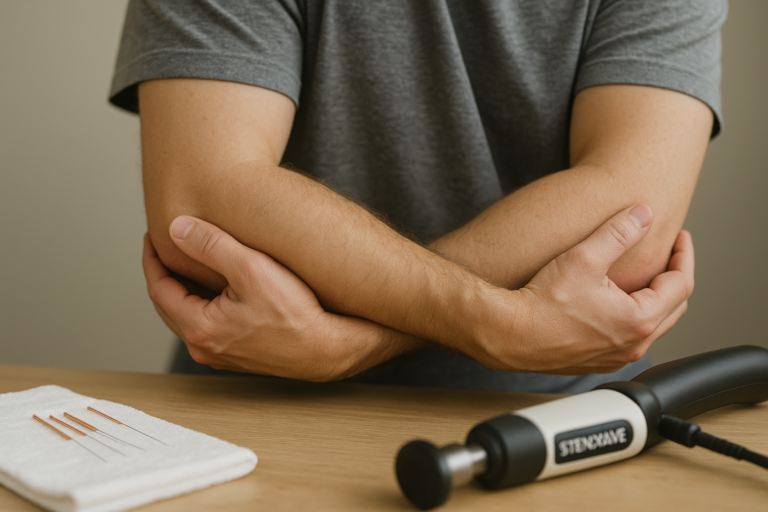
That is why many active adults and competitive athletes look into integrated sports injury treatment in Grapevine TX. Chiropractic care, acupuncture for sports injuries, and StemWave therapy Grapevine TX are often used together because each approach addresses a different part of recovery. One may focus on joint mechanics and mobility, another on pain modulation and muscle tension, and another on supporting tissue healing and circulation. When used appropriately, they can complement each other and fit into a broader rehab and training plan.
For athletes, recovery is not just about feeling better at rest. It is about moving well under load, tolerating practice, and reducing the chance of repeating the same problem. Understanding how these therapies are commonly used can help you make informed decisions about chiropractic sports recovery Grapevine options and other conservative care strategies.
Why Sports Injuries Need More Than Rest
Rest is important in the early stage of many injuries, but complete inactivity is not always the full answer. In sports medicine and rehabilitation, the goal is usually to calm irritation while maintaining as much healthy movement as possible. Too much rest can lead to stiffness, loss of conditioning, and difficulty returning to sport-specific demands.
Consider a few common scenarios:
- A tennis player develops shoulder pain from repetitive overhead motion.
- A runner notices persistent calf tightness and Achilles soreness.
- A high school football athlete sprains an ankle and struggles to regain balance and confidence.
- A golfer develops low back pain related to rotation and hip restriction.
In each case, the athlete may need support in several areas at once: pain control, inflammation management, mobility, muscle coordination, tissue tolerance, and a gradual progression back to activity. This is where a multimodal strategy can be especially useful.
The Role of Chiropractic in Sports Recovery
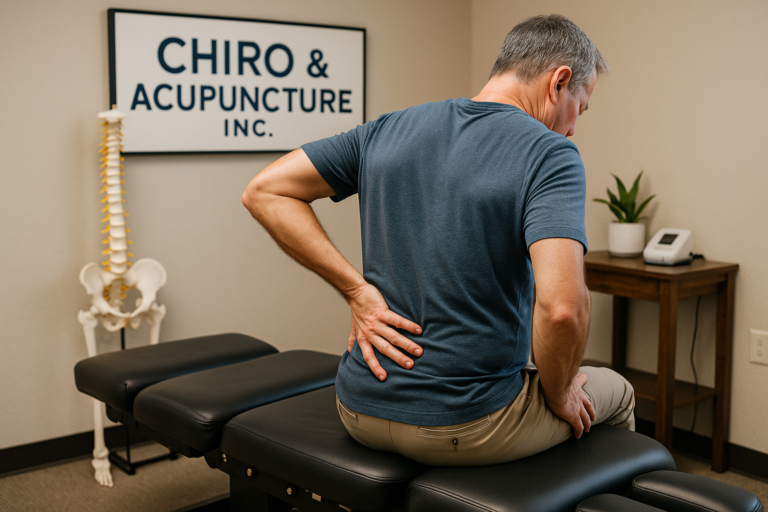
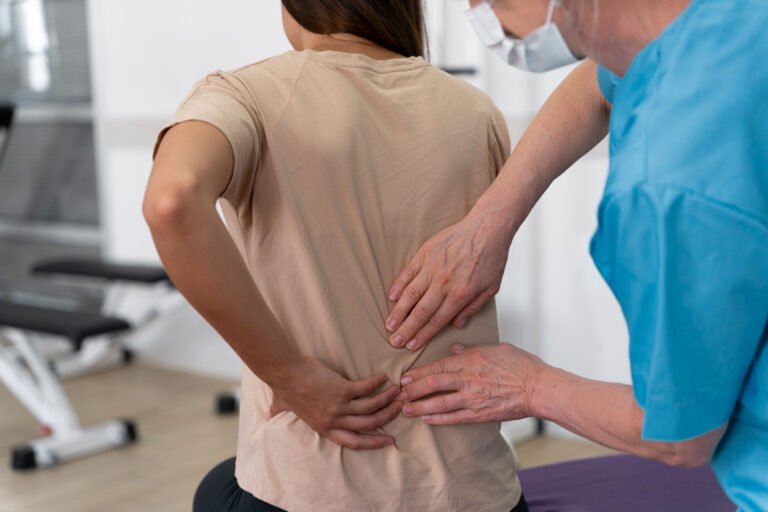
Chiropractic sports recovery Grapevine care is commonly used to improve how joints and surrounding tissues move and function. Athletes frequently place repetitive stress on the spine, hips, shoulders, knees, and ankles. When movement patterns become restricted or uneven, the body may compensate in ways that increase strain elsewhere.
How chiropractic care may help athletes
Chiropractic care often includes joint-focused assessment and manual treatment designed to support better mechanics. For athletes, this can be valuable when an injury is linked to limited mobility, asymmetry, or altered movement patterns.
Common goals may include:
- Improving joint mobility in areas that have become stiff
- Reducing mechanical stress on irritated tissues
- Supporting posture and body alignment during movement
- Helping muscles work more efficiently around affected joints
- Improving comfort during training and daily activity
For example, an athlete with knee pain may actually have restrictions in the ankle or hip that change the way force travels through the leg. Addressing those areas can be an important part of a broader sports injury treatment Grapevine TX plan.
Common sports-related issues where chiropractic may be considered
- Neck and upper back tension from contact sports or cycling posture
- Low back pain related to lifting, rotation, or running mechanics
- Hip restriction affecting stride, squats, or cutting movements
- Shoulder discomfort with overhead sports like baseball, swimming, or tennis
- Ankle and foot dysfunction after sprains
Chiropractic care is typically most useful when combined with activity modification, mobility work, strengthening, and a realistic return-to-play plan. It is not just about a single adjustment. Athletes usually benefit most when treatment is part of an ongoing strategy focused on movement quality and function.
How Acupuncture Is Used for Sports Injuries
Acupuncture for sports injuries is often chosen by athletes who want a conservative option for pain, muscle tightness, and recovery support. In general, acupuncture involves the placement of very thin needles at specific points in the body. Modern sports-focused acupuncture is commonly used with the goal of helping regulate pain signals, reduce muscle guarding, and support circulation in affected areas.
Why athletes consider acupuncture
Sports injuries are not always dramatic. Many start as overuse problems that gradually build over time. When tissues stay irritated, the body often responds with tension, compensation, and reduced movement confidence. Acupuncture may help by encouraging relaxation in overactive muscles and improving tolerance to movement.
Potential reasons athletes explore acupuncture for sports injuries include:
- Muscle tightness that does not fully resolve with stretching alone
- Persistent soreness from repetitive training loads
- Tendon irritation such as elbow, patellar, or Achilles discomfort
- Recovery support after strenuous activity
- Pain that interferes with rehab exercises or return to practice
A runner with chronic IT band-related symptoms, for instance, may use acupuncture as one part of a plan that also includes load management, hip strengthening, gait analysis, and mobility work. A baseball player with forearm or shoulder tightness may use it to help reduce muscle tension between training sessions.
What makes acupuncture appealing in sports recovery
One reason acupuncture remains popular is that it can be used alongside other therapies. It does not need to replace exercise, chiropractic care, or a physician-guided treatment plan. Instead, it may support an athlete’s ability to participate more comfortably in the rehab process.
In practical terms, that may mean:
- Feeling less guarded during mobility work
- Improving tolerance to corrective exercise
- Reducing post-training muscle tension
- Supporting a more relaxed and balanced recovery state
As with any treatment, the specific use of acupuncture depends on the athlete, the injury, and the phase of recovery.
What StemWave Therapy Adds to a Recovery Plan
StemWave therapy Grapevine TX is a non-invasive treatment that uses acoustic wave technology. In general, this type of therapy is used to stimulate tissue in targeted areas with the aim of supporting circulation, cellular activity, and the body’s natural healing response. Athletes often look into it for stubborn soft tissue problems, especially when symptoms have lingered despite rest or basic care.
How StemWave is commonly used
StemWave therapy is often considered for areas affected by repetitive strain, tendon overload, and chronic soft tissue irritation. While every case is different, the treatment is typically used to target localized regions where pain or dysfunction has not fully resolved.
Examples may include:
- Plantar fascia discomfort in runners or court-sport athletes
- Tennis elbow or golfer’s elbow
- Patellar tendon irritation from jumping sports
- Achilles tendon pain
- Shoulder or rotator cuff-related soft tissue pain
Athletes are often interested in StemWave because it is non-surgical and does not rely on medication to create temporary relief. Instead, it is commonly used to support tissue recovery while the athlete continues with an appropriate rehab program.
Why combining StemWave with movement-based care matters
Even when a therapy helps calm symptoms, tissues still need progressive loading and smart movement retraining. For example, a basketball player with patellar tendon pain may respond well to targeted treatment, but lasting improvement usually depends on jump mechanics, strength progression, and recovery management. StemWave may support that process, but it works best as one part of a complete plan rather than a standalone shortcut.
Why Athletes Often Combine These Therapies
Each of these approaches tends to focus on a different recovery need:
- Chiropractic care often addresses joint motion, mechanics, and movement efficiency.
- Acupuncture often helps with pain regulation, muscle tension, and recovery comfort.
- StemWave therapy often targets stubborn soft tissue irritation and healing support.
When used together in an organized way, they can provide a more complete response to both symptoms and function. This is particularly relevant for sports injuries that involve multiple layers of dysfunction. A hamstring strain, for example, may include soft tissue irritation, altered pelvic mechanics, compensatory low back tension, and hesitation during sprinting. A blended strategy can address those overlapping issues more effectively than a one-dimensional plan.
A practical example: the injured runner
Imagine a runner in Grapevine training for a race who develops recurring Achilles pain. A practical conservative approach might include:
- Chiropractic evaluation of foot, ankle, hip, and gait-related mechanics
- Acupuncture to help manage calf tightness and pain sensitivity
- StemWave therapy for persistent tendon irritation
- Load modification, strength work, and gradual return to mileage
None of these steps alone guarantees a result, but together they may create a more supportive recovery environment.
A practical example: the overhead athlete
Now consider a swimmer or tennis player with shoulder pain. Recovery may involve:
- Improving upper back and shoulder joint mobility
- Reducing overactive muscle tension around the neck and shoulder girdle
- Addressing irritated soft tissues
- Rebuilding control, endurance, and technique
This is one reason integrated sports injury treatment Grapevine TX approaches are appealing to athletes who want care that reflects the complexity of movement.
Benefits of a Conservative, Integrated Approach
Athletes often prefer non-surgical and non-pharmaceutical options when appropriate, especially for mild to moderate overuse issues, mechanical pain, or soft tissue injuries that do not require emergency or operative care. An integrated plan using chiropractic sports recovery Grapevine services, acupuncture, and StemWave may offer several practical benefits.
1. It can address both pain and function
Pain relief matters, but athletes also need range of motion, control, stability, and confidence. A plan that combines symptom-focused care with functional rehab can better support real-world performance demands.
2. It may support earlier, smarter movement
The ability to move safely during recovery is important. If conservative therapies help reduce pain and stiffness, athletes may be better able to participate in exercises that restore strength and coordination.
3. It recognizes that injuries are often connected
The painful area is not always the only problem. Reduced ankle mobility can affect the knee. Poor thoracic motion can strain the shoulder. Hip weakness can influence the low back. Integrated care tends to look beyond the immediate symptom site.
4. It can be adapted to different sports and goals
A youth soccer player, weekend pickleball player, weightlifter, and marathon runner all place different demands on their bodies. Recovery plans should reflect the movement patterns and return-to-play needs of each athlete.
Important Considerations Before Starting Treatment
Not every sports injury is appropriate for every therapy, and some injuries require urgent medical evaluation. Athletes should pay attention to red flags such as obvious deformity, inability to bear weight, severe swelling, suspected fracture, concussion symptoms, or significant weakness or numbness. In those situations, prompt medical assessment is essential.
Even for less urgent problems, proper evaluation matters. A sore shoulder might be muscle tension, but it could also involve instability, a labral issue, or referred pain from the neck. Achilles pain could reflect tendon overload, but calf strain or nerve-related issues may also be involved. Treatment choices should be guided by a clear clinical picture.
Questions athletes should think about
- Is this a new injury or a recurring pattern?
- What movements make symptoms worse?
- Is the problem mostly joint-related, muscular, tendon-based, or mixed?
- Have training volume, footwear, equipment, or technique recently changed?
- What does a safe return to sport actually require?
These questions help shape a recovery plan that is realistic rather than reactive.
Recovery Is Also About Training Load and Habits
Even the best hands-on or technology-assisted treatment will have limited value if the original aggravating factors are ignored. Many sports injuries are linked to abrupt training increases, poor recovery habits, repetitive mechanics, or insufficient strength in key areas.
Athletes recovering well often pay close attention to:
- Gradual progressions in intensity and volume
- Adequate sleep and general recovery routines
- Warm-up quality and movement preparation
- Strength and stability work for weak links
- Technique adjustments when needed
- Not returning to full speed too quickly
For example, a pickleball player with recurrent elbow pain may need more than symptom care. Grip mechanics, racquet setup, practice frequency, forearm conditioning, and shoulder control may all influence the outcome. Likewise, a runner with repeated calf strains may need to review cadence, hill volume, ankle mobility, and progressive loading tolerance.
What Athletes in Grapevine Are Really Looking For
Most injured athletes are not searching for a miracle. They want a practical path forward. They want to know what is irritated, why it happened, what can reduce pain, and how to return to their sport without repeating the cycle. That is why interest in acupuncture for sports injuries, chiropractic sports recovery Grapevine care, and StemWave therapy Grapevine TX continues to grow among active people.
These therapies appeal to athletes because they are often used as part of a broader, personalized plan. The focus is not only on symptom relief, but also on movement quality, tissue tolerance, and performance readiness. When care is matched to the injury and paired with smart rehab, conservative treatment can play an important role in helping athletes train and compete with more confidence.
Conclusion
Sports injury recovery is rarely one-size-fits-all. Athletes in Grapevine often deal with a mix of pain, stiffness, movement limitation, and training disruption that requires more than passive rest. Chiropractic care may help improve mechanics and mobility. Acupuncture for sports injuries may support pain control and muscle recovery. StemWave therapy Grapevine TX may offer an additional option for persistent soft tissue problems. Together, these approaches can form a more complete sports injury treatment Grapevine TX strategy when guided by careful evaluation and combined with appropriate exercise and load management.
The biggest takeaway is simple: successful recovery is not just about treating the painful spot. It is about understanding the whole movement system, respecting the healing process, and building a plan that supports a safer return to sport. For many athletes, that is exactly where an integrated conservative approach can make the most sense.