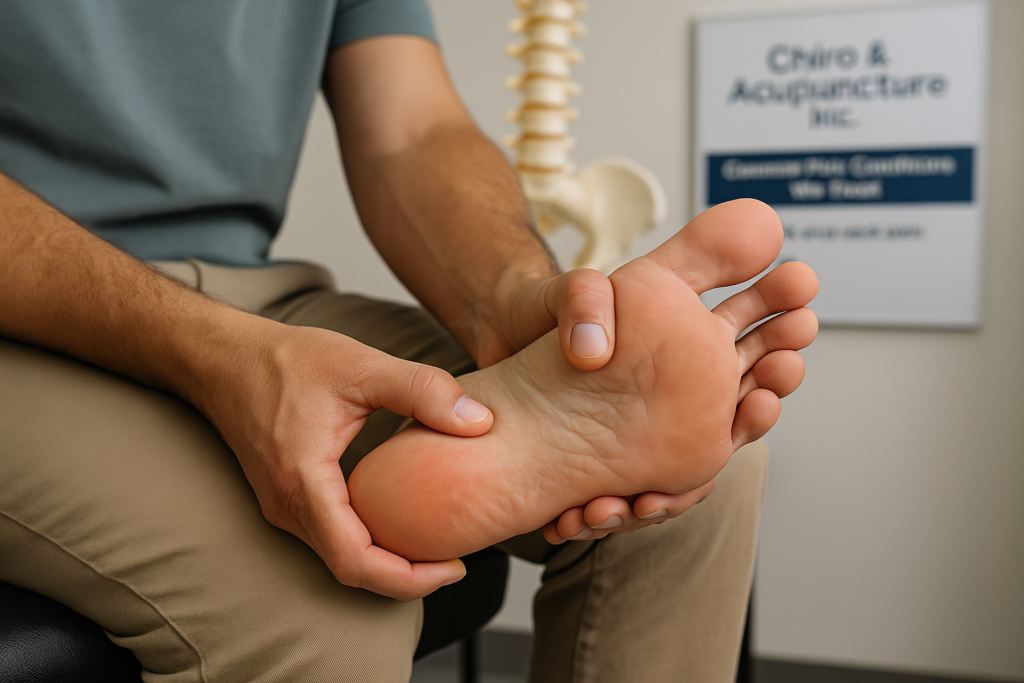
Heel pain can make even simple daily activities feel frustrating. The first few steps out of bed may be sharp and tender. Standing at work can become draining. Walks, workouts, and errands around Grapevine, TX may start to revolve around how much your foot hurts. For many people, that pain is linked to plantar fasciitis, one of the most common causes of persistent discomfort along the bottom of the heel.
Rest, ice, and better shoes can help in some cases, but they are not always enough when symptoms keep returning. Many people want natural, non-invasive options that do more than temporarily dull the pain. They want approaches that support healing, improve foot function, and help reduce the strain that keeps irritating the tissue.
If you have been looking for plantar fasciitis treatment in Grapevine TX, it helps to understand what is causing the pain and what conservative care options may be available. From stretching and movement changes to acupuncture for plantar fasciitis in Grapevine TX and chiropractic for foot pain in Grapevine TX, there are several ways to approach heel pain relief in Grapevine TX without relying only on rest and ice.
What plantar fasciitis really is
The plantar fascia is a thick band of connective tissue that runs along the bottom of the foot, connecting the heel bone to the front of the foot. Its job is to support the arch and help absorb force when you stand, walk, and run. When this tissue becomes overloaded, irritated, or develops tiny areas of degeneration, pain can build near the heel.
Although the condition is commonly called plantar fasciitis, the problem is not always purely inflammatory. In many long-lasting cases, the tissue may be under repeated stress and not recovering well between activities. That is one reason some people continue to have symptoms even after icing or reducing activity for a short time.
Plantar fasciitis often produces:
- Sharp pain at the bottom of the heel
- Pain that is worse with the first steps in the morning
- Stiffness after sitting for long periods
- Discomfort after long days of standing or walking
- Tenderness along the arch or inner heel
The symptoms can range from mild irritation to pain that affects posture, gait, and daily activity levels.
Why heel pain does not always improve with rest alone
Rest is useful when the tissue has been overworked, but plantar fasciitis usually develops because of a larger mechanical pattern. If the way your foot absorbs force has not improved, symptoms can quickly come back once you return to normal activity.
Several factors may contribute to ongoing strain on the plantar fascia:
- Tight calf muscles or Achilles tendons
- Poor ankle mobility
- Flat feet or high arches
- Unsupportive footwear
- Standing for long hours on hard floors
- Changes in exercise routine
- Running, court sports, or repeated impact activity
- Compensation from knee, hip, or low back issues
This is why a broader approach to heel pain relief in Grapevine TX can be so helpful. Instead of focusing only on the sore heel, conservative care often looks at how the entire foot and lower body are functioning.
Common causes and aggravating factors in daily life
Plantar fasciitis is not limited to athletes. It affects people with many different routines and lifestyles. In Grapevine, TX, common patterns may include long work shifts on your feet, fitness walking, recreational sports, travel, and active family schedules that keep you moving throughout the day.
Some everyday aggravating factors include:
Standing for long periods
Teachers, retail workers, healthcare workers, warehouse staff, and service professionals may spend hours loading the feet without enough recovery time.

Sudden increases in activity
Starting a new exercise program, increasing mileage, or returning to sports too quickly can overload the plantar fascia.
Worn-out or unsupportive shoes
Footwear matters more than many people realize. Shoes that have lost cushioning or arch support can allow repeated stress to build in the heel.
Calf and foot tightness
When the calf muscles are stiff, they can pull on the heel and affect how the foot moves during walking.
Biomechanical imbalance
If the ankle, knee, hip, or pelvis are not moving well, the foot may compensate. That added stress can make healing harder.
Natural options for plantar fasciitis treatment in Grapevine TX
Many people want non-surgical, drug-free solutions before considering more invasive measures. A natural care plan often combines several strategies that work together to reduce irritation and improve tissue function.
Targeted stretching and mobility work
Stretching is one of the most practical home strategies for plantar fasciitis, but it works best when done consistently and correctly. Gentle stretches for the calves, Achilles tendon, and bottom of the foot may help reduce excess pull on the plantar fascia.
Simple examples include:
- Calf stretches against a wall
- Seated towel stretches for the foot and ankle
- Rolling the arch on a ball for soft tissue release
- Toe extension stretches to gently lengthen the fascia
Mobility work may also focus on restoring better ankle movement, since restricted ankle motion can increase stress through the foot with each step.
Strengthening the foot and lower leg
People often think only about flexibility, but strength matters too. The small muscles in the foot help support the arch and distribute pressure more efficiently. Weakness in the foot, calf, or hip can change mechanics and contribute to ongoing heel irritation.
Supportive strengthening exercises may include:
- Towel scrunches or toe exercises
- Arch control drills
- Heel raises
- Balance work
- Hip and glute strengthening to improve lower-body alignment
When used appropriately, these exercises can help build resilience rather than only chasing symptom relief.
Footwear changes and activity modification
One of the simplest ways to support recovery is reducing repeated aggravation. That does not always mean complete rest. It may mean temporarily changing how you load the foot while healing progresses.
Examples can include:
- Replacing worn shoes
- Choosing more supportive footwear for work
- Avoiding barefoot walking on hard floors
- Modifying high-impact workouts
- Alternating standing and sitting when possible
Small changes in daily habits often make a meaningful difference over time.
How acupuncture may help plantar fasciitis
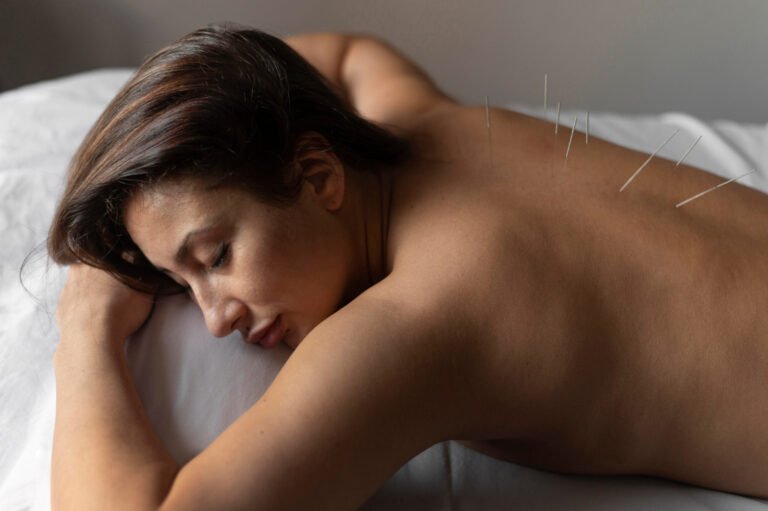
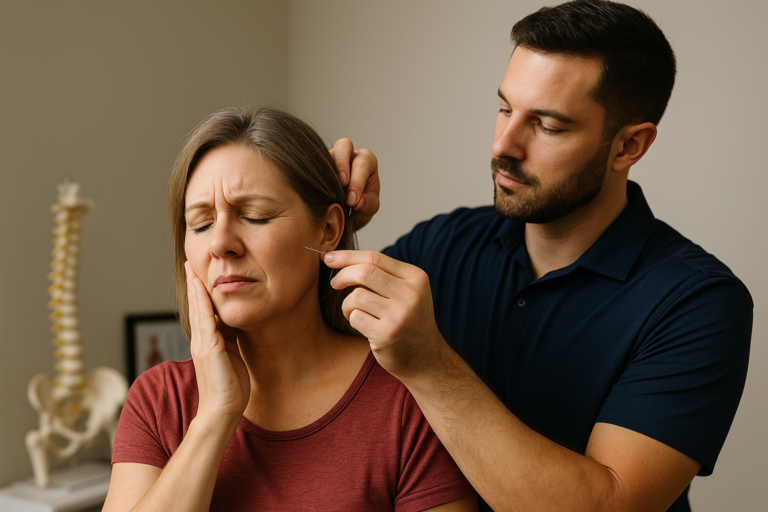
For people searching for acupuncture for plantar fasciitis in Grapevine TX, the goal is often to reduce pain naturally while encouraging better healing conditions in the affected tissue. Acupuncture has been used for musculoskeletal pain and may be included as part of a conservative care plan for heel pain.
In general, acupuncture may help by:
- Supporting the body’s natural pain-regulating responses
- Promoting local circulation
- Reducing muscle tension in the foot and lower leg
- Helping calm pain patterns that have become persistent
For plantar fasciitis, treatment may focus not only on the painful heel but also on the calf, ankle, and surrounding structures that influence foot mechanics. This whole-pattern approach can be especially useful when pain has been lingering for weeks or months.
Many people are drawn to acupuncture because it is non-pharmaceutical and can be paired with stretching, strengthening, and other physical therapies. While no single option works for everyone, acupuncture is a commonly considered natural tool within a broader treatment strategy.
The role of chiropractic for foot pain in Grapevine TX
When most people think of chiropractic care, they think of the spine. But biomechanics do not stop at the lower back. The feet, ankles, knees, hips, and pelvis all work together. If one area is not moving well, another may be forced to compensate.
Chiropractic for foot pain in Grapevine TX may involve evaluating how joints in the foot and ankle are functioning, along with how the rest of the body is distributing load. In some cases, restricted motion in the ankle or misalignment patterns higher up the kinetic chain can contribute to excess stress on the plantar fascia.
A conservative chiropractic approach may focus on:
- Foot and ankle joint mobility
- Gait and posture assessment
- Lower leg muscle tension
- Pelvic and spinal mechanics that affect weight distribution
- Movement habits that may be reinforcing heel pain
The benefit of this type of evaluation is that it looks beyond the spot that hurts. If your walking pattern has changed because of low back tightness, hip imbalance, or previous injury, addressing only the heel may miss part of the problem.
Advanced non-invasive therapies that may support healing
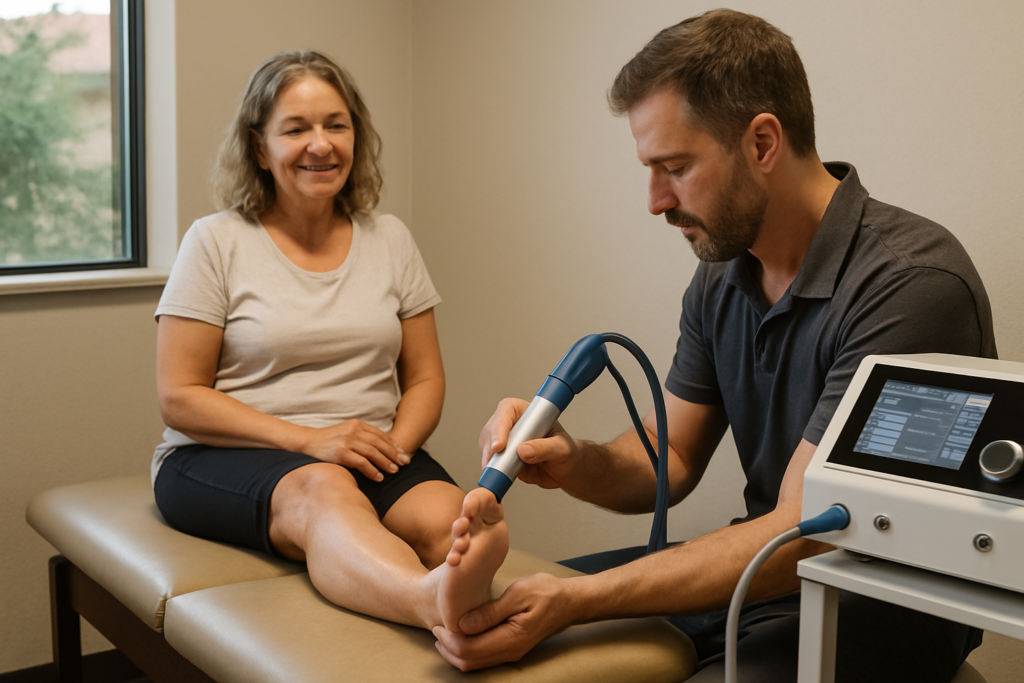
Some clinics combine traditional treatment methods with newer technology designed to stimulate tissue repair and reduce irritation. One example is Stemwave therapy, which uses sound waves to stimulate tissue regeneration and help reduce inflammation in painful soft tissues.
For chronic plantar fasciitis, advanced sound wave therapy may be considered as part of a non-invasive plan when symptoms are stubborn or repetitive. The goal is not simply masking discomfort, but supporting the body’s natural repair processes in tissue that may be struggling to recover.
Because chronic heel pain may involve both tissue overload and poor healing response, therapies that encourage regeneration can fit well alongside hands-on care, mobility work, and activity modification. This kind of combined approach is often appealing to patients looking for natural plantar fasciitis treatment in Grapevine TX that is personalized rather than one-size-fits-all.
Why a personalized plan matters
Two people can both have plantar fasciitis and need very different care. One person may have developed heel pain after increasing running mileage. Another may have pain because they stand on concrete all day in unsupportive shoes. Someone else may have foot pain related to calf tightness, gait changes, or compensation from sciatica, knee pain, or hip dysfunction.
That is why effective care usually starts with understanding your specific pattern of pain:
- When does the pain show up?
- What activities make it worse?
- How long has it been going on?
- Are there mobility or alignment issues in the foot, ankle, knee, hip, or back?
- Have home remedies helped at all?
A personalized plan may combine more than one conservative therapy so that treatment addresses both symptoms and underlying mechanics. This can be especially important if heel pain has become recurring or is starting to affect other areas of the body.
What to watch for if heel pain is changing
Not all heel pain is plantar fasciitis. Although plantar fasciitis is common, pain in the heel can also be linked to tendon irritation, nerve involvement, stress injury, joint issues, or other conditions. If your symptoms are unusual, severe, or not responding to basic care, a professional evaluation is important.
It is wise to get checked if you notice:
- Pain that is rapidly worsening
- Swelling, redness, or warmth
- Numbness or tingling
- Pain after an injury or fall
- Inability to bear weight
- Pain that does not improve after several weeks of conservative care
Getting the right diagnosis matters, especially before pushing through exercise or trying self-treatment for too long.
Practical steps you can start now
If you are dealing with ongoing heel pain, a few simple changes may help reduce irritation while you pursue appropriate care:
- Wear supportive shoes consistently, especially on hard floors
- Avoid going barefoot first thing in the morning if the first steps are painful
- Stretch the calves gently every day
- Limit activities that sharply increase heel pain
- Use a gradual return to exercise instead of sudden intensity changes
- Pay attention to tightness or imbalance in the ankles, knees, hips, and low back
These steps are not a substitute for individualized treatment, but they can support better healing conditions and reduce repeated aggravation.
Looking at heel pain as part of the whole body
One of the most helpful shifts in managing plantar fasciitis is to stop thinking of it as only a heel problem. The plantar fascia is part of a larger movement system. The way you stand, walk, bend, exercise, and recover all affect how much force travels through the foot.
That is why natural heel pain relief in Grapevine TX often works best when it includes a bigger-picture assessment. If the calves are tight, the ankle is restricted, the hips are weak, or the gait is altered, the foot may keep absorbing stress in the same painful way. Addressing those patterns may improve both comfort and long-term function.
For many people, conservative care that combines hands-on treatment, movement correction, tissue support, and practical lifestyle changes offers a sensible path forward before considering more aggressive measures.
Conclusion
Plantar fasciitis can be stubborn, but ongoing heel pain does not always mean you are out of options. While rest and ice may help in the short term, lasting improvement often requires a more complete strategy that looks at tissue health, foot mechanics, and the way the whole body moves.
If you have been searching for plantar fasciitis treatment in Grapevine TX, natural approaches such as stretching, strengthening, supportive footwear, acupuncture for plantar fasciitis in Grapevine TX, chiropractic for foot pain in Grapevine TX, and non-invasive regenerative therapies may all play a role in recovery. The key is finding an approach that is personalized, practical, and focused on the reasons your heel pain keeps returning.
With the right conservative plan, many people can move more comfortably, reduce recurring strain, and get back to normal routines with greater confidence.