Back and neck pain can start as a mild annoyance and then slowly become something that affects work, sleep, exercise, and even basic daily movement. In many cases, one possible cause is a bulging disc. While not every disc issue causes severe pain, some people in Grapevine, TX notice symptoms such as aching, stiffness, radiating pain, tingling, numbness, or weakness that interfere with normal routines.
Understanding the signs of a bulging disc is important because the right care often begins with recognizing patterns early. For people searching for bulging disc symptoms Grapevine TX or looking into bulging disc treatment Grapevine TX, it helps to know what a bulging disc is, why symptoms can vary so much, and when conservative approaches may be worth discussing with a qualified provider.
Many people also want to know whether surgery is the only answer. In reality, some patients first explore non-surgical disc pain relief Grapevine TX options such as chiropractic care, acupuncture, and newer modalities like StemWave therapy. These approaches are not one-size-fits-all, but in the right situation they may support pain relief, improved mobility, and better function as part of a personalized care plan.
What Is a Bulging Disc?
Your spine is made up of bones called vertebrae, and between them are discs that act like cushions. These discs help absorb shock and support movement. A bulging disc happens when a disc extends outward beyond its usual boundary. This may develop with age-related wear, repetitive strain, poor mechanics, injury, or prolonged pressure on the spine.
A bulging disc is not always the same as a herniated disc. The terms are sometimes used interchangeably in casual conversation, but generally a bulging disc means the disc is protruding outward without a full rupture of the outer layer. Even so, that outward bulge can irritate nearby nerves or contribute to inflammation, which is why symptoms can become significant.
Some people have a bulging disc and feel little to no pain. Others develop symptoms that range from intermittent discomfort to persistent nerve irritation. The exact location of the disc issue often shapes the symptoms. A bulging disc in the neck may affect the shoulders, arms, or hands, while a bulging disc in the lower back may affect the hips, legs, or feet.
Common Bulging Disc Symptoms
The symptoms of a bulging disc can look different from person to person. Pain may be dull, sharp, burning, or electric in nature. It may stay localized near the spine or travel into other parts of the body if a nerve is involved.
Lower back symptoms
When a disc in the lumbar spine is affected, common symptoms may include:
- Low back pain that worsens with sitting, bending, lifting, or twisting
- Pain that radiates into the buttock, hip, or leg
- Sciatica-like symptoms, including burning or shooting pain down one side
- Numbness or tingling in the leg or foot
- Leg weakness or a feeling that the leg is less stable
- Stiffness after getting out of bed or after long periods of inactivity
Neck symptoms
When a disc in the cervical spine is involved, symptoms may include:
- Neck pain or tightness
- Pain that travels into the shoulder blade, arm, or hand
- Tingling or numbness in the fingers
- Headaches associated with neck tension
- Reduced range of motion when turning the head
- Arm weakness or difficulty gripping objects
General patterns that can point to disc involvement
Some symptom patterns make disc-related irritation more likely, including pain that:
- Gets worse when sitting for long periods
- Flare ups after bending forward or lifting improperly
- Improves somewhat with position changes
- Comes with tingling, numbness, or radiating pain rather than muscle soreness alone
- Returns repeatedly after physical activity or long drives
These patterns do not confirm a diagnosis by themselves, but they can suggest that a deeper structural issue deserves attention.
When Symptoms Should Not Be Ignored
Many cases of back or neck pain improve with time and conservative care, but some situations call for prompt medical evaluation. If symptoms are severe, progressive, or affecting basic function, waiting too long can make recovery more difficult.

Seek immediate medical attention if you have:
- Sudden or significant weakness in an arm or leg
- Loss of bladder or bowel control
- Numbness in the groin or saddle area
- Severe pain after a major fall, collision, or other trauma
- Fever, unexplained weight loss, or other systemic symptoms with back pain
Even outside of emergencies, persistent pain, repeated flare-ups, or worsening numbness are all good reasons to schedule a professional evaluation rather than self-diagnosing.
Why Bulging Disc Symptoms Can Feel So Different
One reason people become confused about disc problems is that two individuals can have similar imaging findings but very different symptoms. A bulging disc may cause intense discomfort in one person and minimal symptoms in another. This depends on factors such as:
- The size and location of the disc bulge
- Whether a nearby nerve root is irritated
- Inflammation levels in surrounding tissues
- Muscle tension and movement compensation patterns
- Posture, activity level, and work demands
- Previous injuries or existing joint degeneration
For example, someone who sits for extended periods, drives often, or performs repetitive lifting may notice more frequent aggravation. An active person may feel symptoms mainly during twisting, running, or strength training. Understanding these triggers helps shape a more individualized conservative care plan.
How Conservative Care May Fit Into Bulging Disc Treatment
Not every bulging disc requires aggressive intervention. Depending on the severity of symptoms, many people first explore non-surgical approaches designed to reduce irritation, improve movement, and help the body function more comfortably.
When searching for bulging disc treatment Grapevine TX, people often want care that addresses both pain and the mechanical issues contributing to it. Conservative treatment may include a combination of manual therapy, movement guidance, soft tissue work, acupuncture, and technology-based therapies intended to support tissue recovery and decrease inflammation.
The goal is often not just temporary symptom masking. In many cases, a broader plan aims to improve spinal mobility where needed, reduce excess strain, calm irritated tissues, and help the patient move in a way that lowers the chance of repeated flare-ups.
When Chiropractic Care May Be Worth Exploring
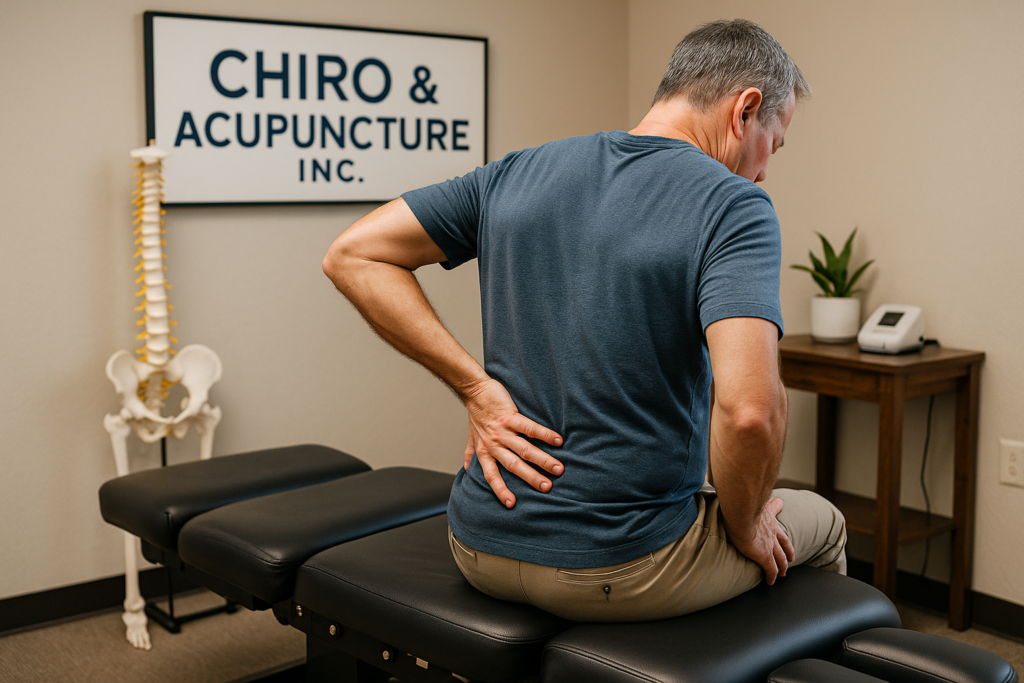
Chiropractic care is often considered by people dealing with back pain, neck pain, stiffness, or radiating symptoms that may relate to joint restriction and mechanical stress in the spine. In the context of a bulging disc, chiropractic treatment may focus on how the spine and surrounding muscles are functioning rather than looking only at pain in isolation.
A chiropractor may evaluate posture, movement quality, spinal alignment, joint mobility, muscle tightness, and nerve-related symptoms. Depending on the individual case, care may include gentle adjustments or mobilization techniques, soft tissue work, stretching recommendations, and guidance on activities that may reduce aggravation.
For some people, this type of approach may be worth exploring when they have:
- Recurrent low back or neck pain with stiffness
- Pain that worsens with prolonged sitting or poor posture
- Mechanical pain linked to bending, twisting, or lifting
- Reduced spinal mobility after an injury or flare-up
- Sciatica-type symptoms that need evaluation in a conservative setting
Chiropractic care is not appropriate for every situation, especially if there are certain red flags, unstable injuries, or conditions requiring another level of medical intervention. That is why an individualized assessment matters.
When Acupuncture May Be Worth Exploring
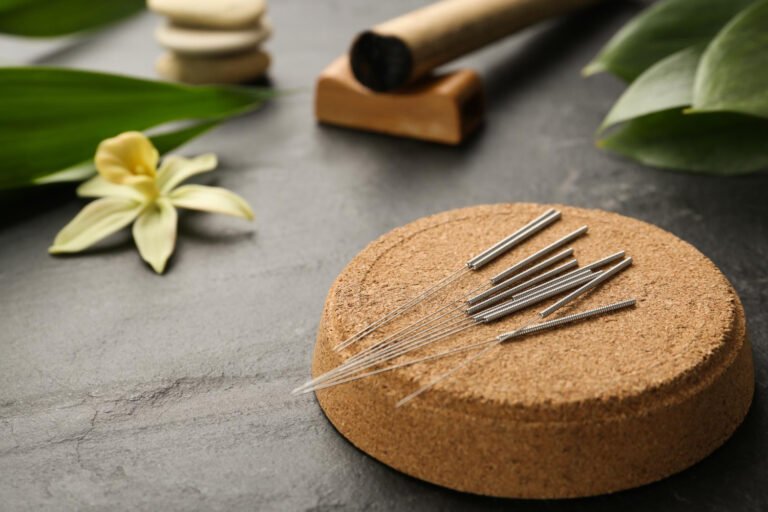
Acupuncture is another option people consider for disc-related pain, especially when inflammation, muscle guarding, and nerve irritation appear to be contributing to symptoms. It has been used to support pain management and relaxation, and many patients appreciate that it can be part of a non-drug, non-surgical care plan.
In cases involving a bulging disc, acupuncture may be worth exploring when symptoms include:
- Persistent muscle tightness around the neck or low back
- Radiating pain that also involves tension and guarding
- Chronic pain that disrupts sleep or increases stress
- Headaches associated with neck dysfunction
- Flare-ups that are worsened by muscle spasm and inflammation
Acupuncture is often used as part of a broader strategy rather than as a stand-alone answer. For some patients, combining movement-based care with techniques aimed at calming pain pathways may be more helpful than relying on a single modality alone. This is one reason people search for chiropractic acupuncture for bulging disc Grapevine TX when looking for a personalized approach.
When StemWave May Be Worth Exploring
StemWave therapy is a modern treatment option that uses sound waves with the goal of stimulating tissue repair responses and reducing inflammation. It is often discussed in the context of musculoskeletal pain, and some clinics incorporate it into care plans for conditions such as sciatica, tendon issues, and persistent joint or soft tissue discomfort.
For someone with a suspected bulging disc or disc-related pain pattern, StemWave may be worth exploring when the goal is to support healing in irritated tissues and improve comfort without surgery. It may be considered particularly when pain has been stubborn, when inflammation appears to be part of the problem, or when other conservative strategies are being combined into a more comprehensive plan.
Potential reasons people look into StemWave include:
- Ongoing pain despite rest and basic home care
- Inflammation-related discomfort limiting activity
- Sciatica-type symptoms connected to low back dysfunction
- A desire to explore modern non-invasive therapies
- Interest in combining traditional and newer techniques
Because disc-related symptoms can involve joints, muscles, nerves, and soft tissues all at once, an integrated treatment model may appeal to patients who want more than a single isolated therapy.
The Value of a Personalized Treatment Plan
One of the most important points in non-surgical disc pain relief Grapevine TX is that no single method works the same way for everyone. A desk worker with intermittent low back pain may need different care than an athlete, a delivery driver, or someone recovering from a car accident.

Personalized care can matter because disc-related pain often has several layers, including:
- Mechanical stress on the spine
- Inflammation in local tissues
- Nerve irritation
- Muscle guarding and compensation
- Weakness or mobility deficits
- Daily habit patterns that keep symptoms recurring
In a more individualized plan, treatment may be adapted based on symptom location, severity, trigger patterns, activity tolerance, and response to previous care. Some people may benefit more from a stronger manual and movement focus, while others may need more support for pain modulation and inflammation control.
Practical Examples of When Conservative Care Might Be Considered
It can help to think about real-world situations that often lead people to seek evaluation for possible disc-related pain.
Office and remote workers
A person who spends most of the day seated may develop low back tightness that gradually turns into pain radiating into the hip or leg. Long drives and poor workstation setup may make symptoms worse. In this situation, conservative care may focus on spinal mechanics, sitting tolerance, muscle tension, and inflammation.
Active adults and gym-goers
Someone may feel a sharp pain after deadlifting, twisting, or lifting something awkwardly. A few days later, there may be lingering back pain with tingling down the leg. Early evaluation can help determine whether the issue appears muscular, joint-related, or more suggestive of disc irritation.
People recovering from auto accidents
After a collision, neck or back pain may not fully resolve. Over time, symptoms such as stiffness, headaches, arm tingling, or low back pain with sciatic symptoms can emerge. In these cases, looking at both spinal function and soft tissue irritation may be useful.
Adults with recurring flare-ups
Some people have episodes of back pain every few months that improve temporarily and then return. When flare-ups begin to happen more often or symptoms start traveling into the arm or leg, it may be worth exploring whether a disc issue is contributing to the pattern.
Supporting Recovery Between Visits
Professional care is important, but day-to-day habits also affect how disc-related symptoms behave. While recommendations should always be individualized, some general strategies may support recovery:
- Avoid prolonged static positions when possible
- Use proper lifting mechanics and avoid sudden twisting under load
- Take movement breaks during desk work or long drives
- Follow provider guidance for mobility and strengthening exercises
- Pay attention to positions that consistently worsen radiating pain
- Prioritize sleep posture and mattress support if nighttime pain is an issue
Trying to push through severe nerve-related symptoms without modifying activity can prolong irritation. On the other hand, complete inactivity for too long may also increase stiffness and weakness. The right balance usually depends on the individual presentation.
What to Keep in Mind When Choosing a Non-Surgical Approach
If you are exploring bulging disc treatment Grapevine TX, it is reasonable to look for a provider who takes time to assess the full picture instead of focusing only on the pain site. Disc symptoms can overlap with other conditions such as facet joint irritation, sacroiliac dysfunction, muscle strain, arthritis, or referred pain from surrounding tissues.
A thoughtful evaluation should consider:
- Where the pain started and how it behaves
- Whether numbness, tingling, or weakness are present
- What movements or positions aggravate symptoms
- How long the issue has been going on
- Whether there was an injury, sports incident, or car accident
- How symptoms affect sleep, work, and mobility
It is also helpful when a clinic offers more than one conservative tool, since that can make it easier to build a plan around the patient rather than fitting the patient into a single technique.
Conclusion
Bulging disc symptoms can range from localized stiffness to radiating nerve pain that affects daily life in a serious way. In Grapevine, TX, recognizing the signs early may help people seek appropriate care before symptoms become more disruptive. Pain that travels into the arm or leg, tingling, numbness, weakness, or repeated flare-ups should not be brushed aside as ordinary soreness.
For those looking into bulging disc symptoms Grapevine TX and considering non-surgical disc pain relief Grapevine TX, conservative options such as chiropractic care, acupuncture, and StemWave may be worth exploring depending on the cause, severity, and pattern of symptoms. Because disc-related pain can involve multiple structures and triggers, a personalized approach is often the most practical path forward. The key is getting the right evaluation, understanding your symptom pattern, and choosing care that supports both relief and better long-term function.